In Lithuania, more than 4,000 public procuring entities command a massive financial footprint, steering nearly €10 billion every year through the national public procurement system. This spending equates to roughly 12% of the country’s entire economy, effectively making the state one of the largest indirect employers in the nation. For years, this immense buying power operated largely divorced from pressing social outcomes. However, a sweeping policy shift driven by the Public Procurement Office is changing that paradigm, leveraging state contracts to uplift marginalized communities—most notably citizens with disabilities who face disproportionately high rates of unemployment.
Around 151,600 working-age individuals in Lithuania live with a disability, yet more than two-thirds of them remain without a job. Among this demographic are skilled software developers, experienced academics, certified tradespeople, and numerous other qualified professionals eager to contribute to the workforce. What these candidates typically require from employers is reasonable accommodation—adjustments that, in the vast majority of cases, are straightforward and inexpensive to implement.
Despite this, employment barriers persist. Employers across Lithuania have historically shown reluctance to hire workers with disabilities, held back by enduring misconceptions regarding what disabled workers can achieve and a lack of sufficient institutional incentives to alter traditional hiring practices.
Recognizing the potential to bridge this gap, the Lithuanian government looked to its vast public purchasing power as a potential catalyst for change. In late 2023, the Public Procurement Office introduced a framework of eight criteria for socially responsible procurement. Designed to be voluntarily adopted by government buyers, these guidelines aim to create sustainable employment opportunities for people with disabilities, foster gender equality, enhance staff well-being, and encourage businesses to embrace more responsible and sustainable production models.

These social criteria can be embedded at various stages of the procurement process, ranging from technical specifications and bid evaluation criteria to contract performance terms and supplier qualification requirements.
Greta Ambrutytė, Head of the Socially Responsible Public Procurement Department at the Lithuanian Public Procurement Office, emphasizes the overarching vision of the initiative. The goal, she notes, is to ensure that all public buyers in Lithuania recognize the profound influence they wield through public contracts, thereby boosting the application of these criteria and actively promoting inclusion.
Operationalizing Social Procurement from Guidelines to Practice
To turn policy guidelines into everyday practice, the Public Procurement Office avoided operating in a vacuum. Instead, the office co-created the social criteria and supporting documentation alongside a dedicated working group comprising 12 institutions specializing in disability rights. Key collaborators included the Ministry of Labor and Social Affairs, the Lithuanian Public Employment Service, the Agency of People with Disabilities Rights Protection, and the Data Protection Agency.
Furthermore, through the Lift impact accelerator program managed by the Open Contracting Partnership (OCP), the reformers undertook a people-centered policy redesign. Expert recommendations provided by the NGO Diversity Charter—an organization focused on workplace inclusion and diversity—helped refine the social criteria and shape targeted training programs tailored for both public buyers and commercial suppliers.
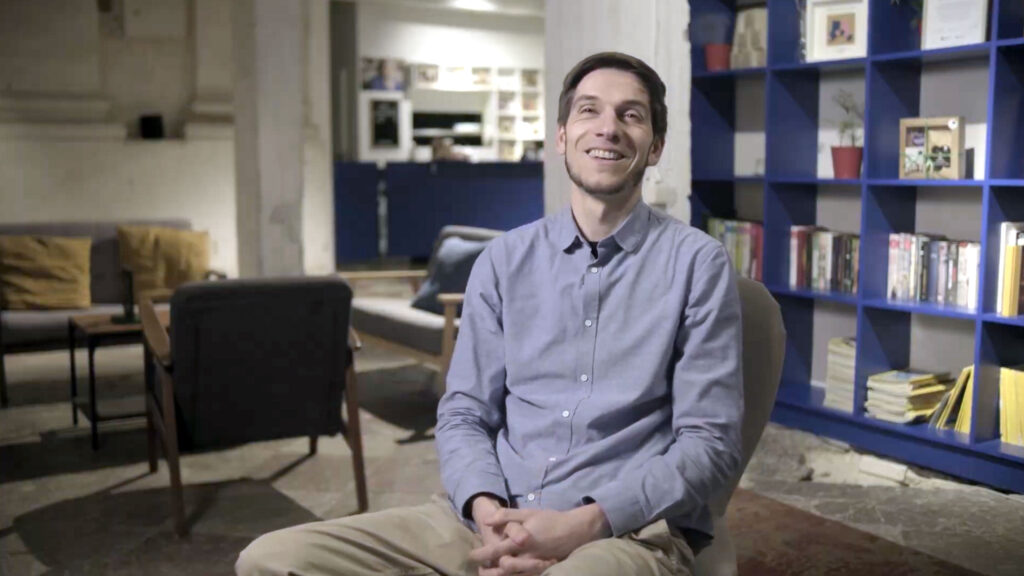
Rygilė Trumpytė, Chief Executive of the Diversity Charter, underscores the urgency of this collaborative approach, pointing out that immigrants and people with disabilities represent the most vulnerable segments of the labor market. She stresses that public procurement serves as a vital tool to support these communities, provided they are included directly in the decision-making process from the very beginning.
To ensure the framework worked in practice rather than existing solely on paper, the Public Procurement Office engaged directly with major public buyers, such as the Ignitis Group and Lithuanian Airports, helping them weave social procurement goals into their annual operating plans. Livija Šepetytė, Sustainability Partner at the Ignitis Group, warns that blindly inserting a social tender requirement without consulting the market is a direct path to failure, highlighting the importance of early dialogue between buyers and suppliers.
To monitor the uptake of socially responsible procurement in real time, the electronic government procurement system was upgraded. Technicians integrated a new set of mandatory fields into the contract reporting subsystem, capturing whether social criteria were applied, which specific criteria were chosen, and at what stage of the procurement cycle they were implemented. This transparency initiative mirrors Lithuania’s earlier success in fast-tracking green procurement, which successfully incorporated environmentally friendly criteria into 100% of applicable public procedures.
Measurable Results and Real-World Impact
The integration of these measures has yielded tangible results that outpace initial projections. Backed by OCP’s Lift program, the Public Procurement Office originally set a target for at least 7% of total procurement value to incorporate socially responsible criteria within an 18-month window. A public reporting dashboard was launched in mid-2024 to track progress and foster positive institutional competition through real-time metrics.
The strategy quickly surpassed expectations. By the end of 2025, the share of procurement value carrying social criteria climbed to 10.9%, representing approximately €1.2 billion in spending and comfortably beating the initial 18-month target. By September 2026, that figure continued its upward trajectory, reaching 12.6%, or roughly €955 million. The proportion of individual contracts utilizing social criteria similarly expanded, rising from 1.1% comprising 1,657 contracts in 2024, to 2.1% covering 3,336 contracts in 2025, and ticking up to 2.5% across 2,587 contracts by late 2026.
By 2025, roughly 376 public buyers—accounting for about 15% of all entities actively running public procurements—awarded at least one contract featuring social criteria. Certain institutions embraced the framework far beyond the average; for instance, the Jasiuliškiai Social Care Home awarded all 83 of its contracts using social criteria in 2025, totaling more than €2.5 million in public expenditures.
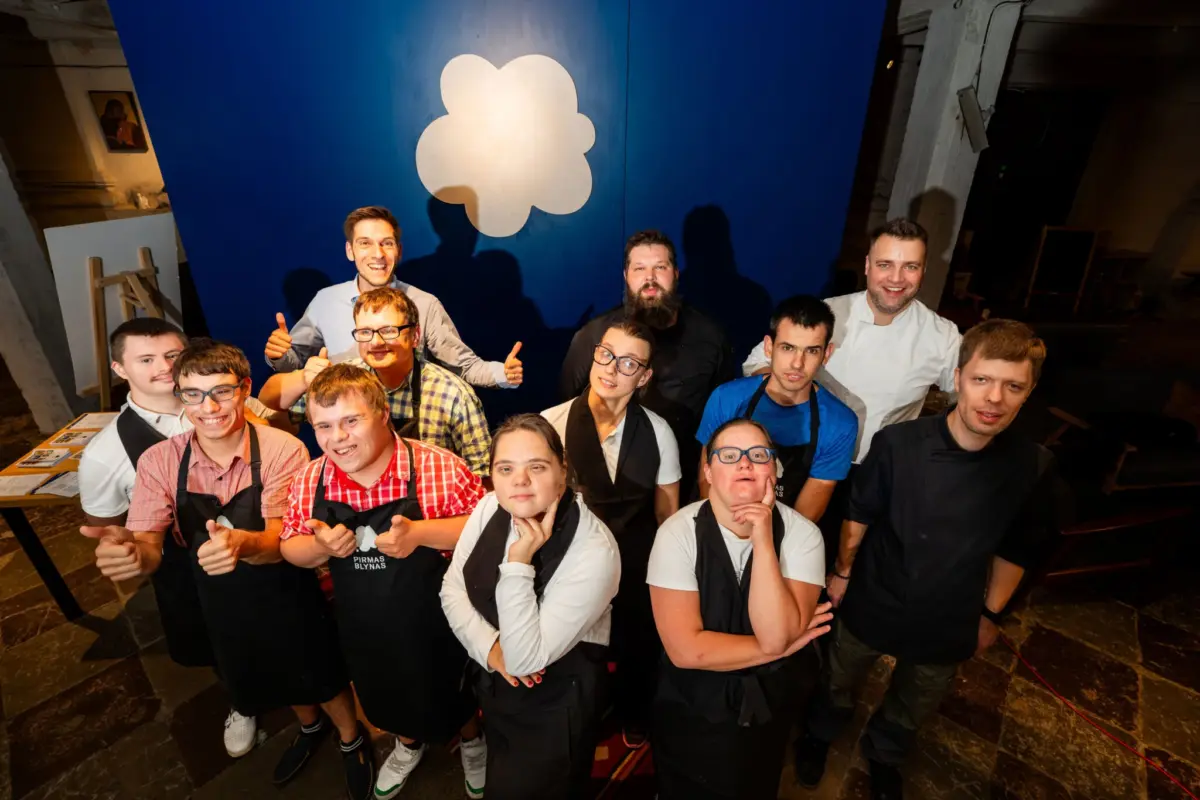
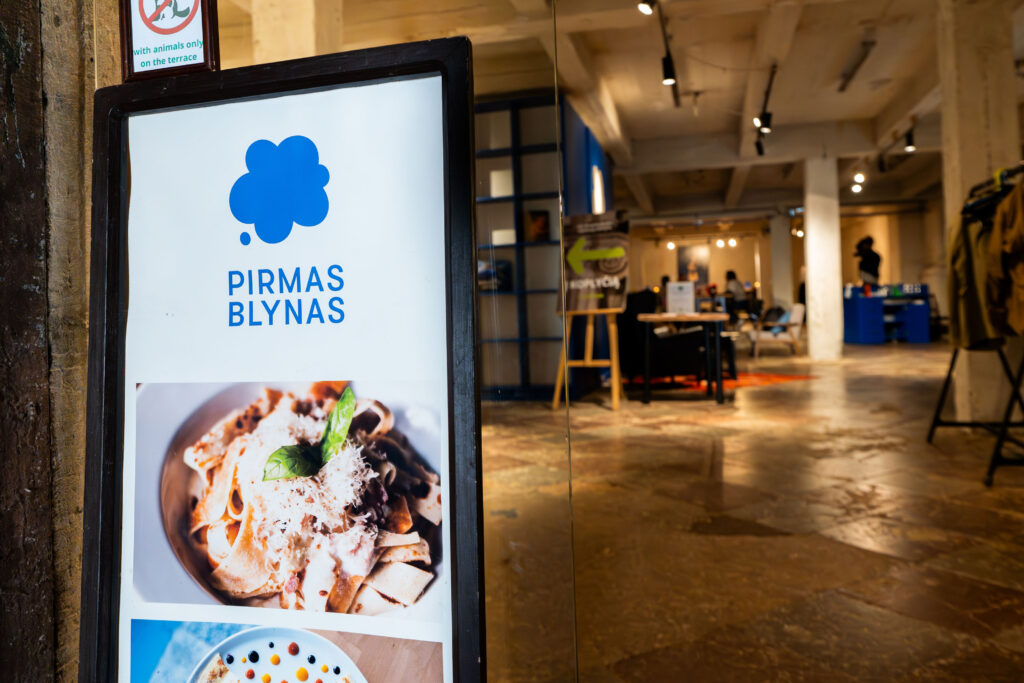
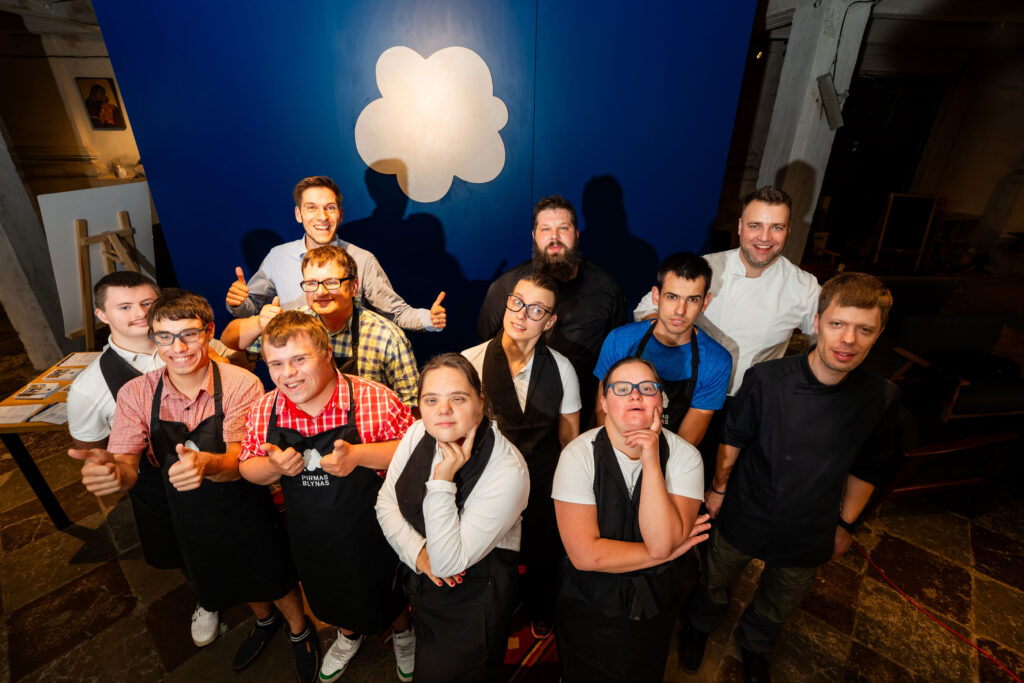
Among the beneficiaries of this systemic shift are social enterprises like Pirmas Blynas, a catering business and coffee shop located in Vilnius that intentionally employs individuals with disabilities. Winning government catering contracts has provided the enterprise with vital revenue diversification, reducing its reliance on traditional state subsidies that many social enterprises depend upon to survive.
Tim Van Wijk, founder of Pirmas Blynas, notes that social procurement unlocks substantial opportunities for his enterprise. With increased income and expanded production capabilities, the business can scale its positive footprint across society. Van Wijk points out that last year, his employees gained valuable professional experience executing contracts for various government institutions, allowing them to learn new skills and apply their existing talents in fresh, dynamic environments.
Looking Ahead
When Van Wijk’s social enterprise opened its doors in 2018, it stood as the first business of its kind in Lithuania. Its name translates to "First Pancake" in English, a nod to the colloquial wisdom that the first pancake flipped in a pan is often flawed, signaling that initial attempts at anything new rarely turn out perfect but serve as essential learning moments for refinement.
Reflecting on the broader landscape of public sector reform, Van Wijk maintains a pragmatic view on how social criteria should function. He stresses that social metrics ought to act as an additive value rather than the sole determining factor in a competitive bidding process, arguing that selections should fundamentally rest on the quality of what companies offer.
Currently, social criteria in Lithuania are most frequently embedded within contract performance terms. Because performance conditions are notoriously difficult to police—and because public dashboards can only verify that a criterion was applied rather than how it was executed daily—policymakers face ongoing challenges in monitoring long-term implementation.
Ultimately, these reforms represent far more than a routine regulatory update. They mark a profound cultural shift in how public purchasing can generate long-term societal value. As Lithuania looks toward the future, the state is exploring methodologies to measure the broader socio-economic effects of the policy, aiming to prove that social procurement is not merely an optional corporate social responsibility exercise, but a proven catalyst for sustainable, inclusive economic growth. The first pancake is rarely perfect, but the nation’s progress shows no sign of stopping at just one.