Federal Bureau of Investigation agents have arrested a prominent Canadian cybersecurity executive in Pennsylvania in connection with an intensifying, high-stakes investigation into the notorious "ShinyHunters" cybercrime syndicate. The arrest comes on the heels of a massive data breach attributed to the group that compromised sensitive records belonging to thousands of federal law enforcement agents, multiple sources familiar with the investigation told KrebsOnSecurity.
The high-profile detention was first reported by The New York Times, which confirmed that federal authorities had taken a Canadian man into custody in Pennsylvania on suspicion of providing assistance to the ShinyHunters network. While neither The New York Times nor FBI Director Kash Patel identified the suspect in public statements, multiple investigative sources have independently linked the apprehension to Edward Dubrovsky, a well-known figure in the Canadian cybersecurity community and an author who specializes in ransomware and cyber extortion response strategies.
According to sources close to the unfolding federal probe, Dubrovsky was visiting Pennsylvania to attend the annual Cyber Risk Summit, a prominent cyber insurance conference held at the Loews Philadelphia Hotel from October 5 to October 7. The suspect’s professional background is deeply rooted in the specialized field of handling ransomware negotiations and cyber extortion advisory services for corporate clients navigating digital hostage situations.

Publicly available records and conference documentation show that the Cyber Risk Summit featured several major industry sponsors, with the largest sponsor being Cypfer, a Canadian cybersecurity firm. According to corporate records and professional networking profiles, Dubrovsky previously maintained deep ties to Cypfer, though representatives for the firm later clarified his corporate history. A spokesperson for Cypfer noted that while Dubrovsky’s LinkedIn profile previously identified him as a founder or co-founder, he actually served as a managing director before ultimately resigning from the organization in November 2025. Following his departure from Cypfer, Dubrovsky became associated with CyberSteward, another Canadian security firm and conference sponsor. Approximately one month prior to his arrest, Dubrovsky posted on LinkedIn to announce his plans to attend the Philadelphia summit alongside members of the CyberSteward team, highlighting his ongoing involvement in strategic advisory and compliance-driven extortion negotiations on a global scale.
Federal court records reveal that on October 8, an individual named Edward Dobrovsky—noting a slight spelling variation in the last name—was formally booked in Pennsylvania on federal cyber extortion and conspiracy charges. While several key documents, including the foundational criminal complaint, remain under seal, a handful of records have been indexed through legal tracking services such as CourtListener. A summary of the unsealed docket details charges of "conspiracy to threaten to impair the confidentiality of information with the intent to extort money" and "interference with commerce by threats."
The U.S. Bureau of Prisons inmate locator indicates that a 54-year-old Edward Dubrovsky is currently being held at a federal detention facility in Philadelphia. However, court filings show that the legal proceedings are already shifting geographic centers. A notice filed on October 9 transferred the case to the U.S. District Court for the Eastern District of Texas, which investigative sources describe as the central hub and epicenter for the broad, multi-jurisdictional federal investigation into the ShinyHunters infrastructure. The FBI has repeatedly declined to comment on the specifics of the ongoing case.
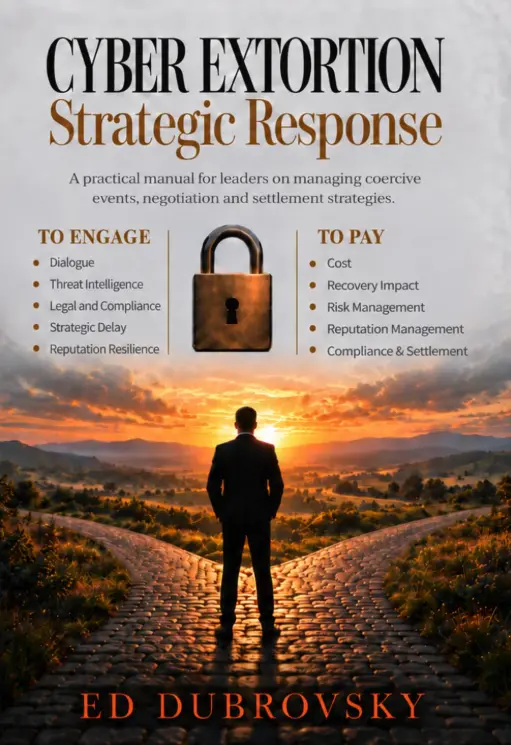
Dubrovsky’s professional background includes publishing a 252-page book titled Cyber Extortion Strategic Response, which is marketed as a guide to navigating the complex decision-making processes required when organizations face digital extortion. The book’s promotional material emphasizes the fine line between communicating with malicious actors and negotiating a payout, noting that dialogue can serve tactical objectives such as verifying attacker claims, gathering intelligence, buying time, and preserving institutional options during a crisis. At the time of his initial court appearances, court records indicated that Dubrovsky had not yet retained private legal counsel, nor had a public defender been formally appointed by the court.

The arrest marks a dramatic escalation in the federal government’s campaign against ShinyHunters, a cybercrime collective known for executing sophisticated phishing campaigns and stealing credentials to siphon massive volumes of data from corporate cloud storage accounts at software-as-a-service providers. The group typically leverages the threat of public data leaks to force extortion payments from victims. According to estimates from federal law enforcement, ShinyHunters has successfully extorted upwards of $70 million from corporate and institutional victims over the course of the year.
The pressure on the hacking group has mounted steadily in recent weeks. Law enforcement sources indicate that the FBI has been meticulously examining digital devices seized last month during an operation by Dutch police, who arrested reformed hacker Pepijn van der Stap in connection with the broader ShinyHunters conspiracy. Investigators believe that additional charges against key figures associated with other corporate entities specializing in ransomware negotiations may be forthcoming as the digital forensic analysis continues.
The investigation took a particularly personal and inflammatory turn immediately following Van der Stap’s arrest. An individual operating within the ShinyHunters hierarchy under the alias "Rey" assumed operational control of the syndicate and began publicly taunting federal authorities. The taunts stemmed from a high-profile breach in which the hackers successfully compromised data from the FBI’s own online recruitment portal, making off with sensitive personal details including unit assignments, professional specializations, and confidential medical and psychiatric records of prospective and current agents.
International reporting later unmasked "Rey" as a teenager named Saif Al-din Khader. Authorities successfully detained Khader, who subsequently began cooperating with federal investigators. The apprehension coincided with ongoing cyber extortion attempts by the group, including an operation targeting a navigation and digital aviation unit that had been divested by Boeing in late 2025. As federal authorities continue to untangle the web of individuals and corporate intermediaries allegedly tied to the syndicate’s operations, the investigation remains active and fast-moving.