The Federal Aviation Administration is introducing significant updates to its widely recognized Part 107 remote pilot knowledge test, shifting how prospective commercial drone operators are examined on complex airspace concepts. Beginning October 26, the agency will launch a series of newly integrated image-based questions designed to challenge test-takers’ abilities to interpret real-world aviation charts directly on their exam screens.
The modification applies directly to the Unmanned Aircraft General-Small knowledge test, the mandatory examination that individuals must successfully pass to secure their initial remote pilot certification from the federal aviation regulator. According to details outlined in the FAA’s official August Airman Testing Community Advisory, the agency is actively collaborating with its primary testing administrator, PSI, to seamlessly weave high-resolution images straight into the mechanics of the examination questions rather than relying solely on traditional reference materials.
Understanding the Shift in Examination Methods
For years, applicants preparing for the commercial drone pilot examination have relied on printed testing supplements containing standardized figures, maps, and sectional charts. While the core regulatory requirements governing small unmanned aircraft systems under Part 107 remain entirely unaltered, the testing methodology itself is undergoing a modernization phase.
Under the updated format, candidates will encounter dynamic questions featuring aviation chart images that do not exist within the current catalog of printed testing supplements. This means future pilots must cultivate a deeper, more adaptable comprehension of sectional charts and airspace configurations, moving away from rote memorization of static figures traditionally found in existing study guides.

The FAA’s advisory highlights specific examples of how the new format will function in practice. In one sample scenario, an applicant is presented with a targeted chart image and asked to accurately identify the specific airspace surrounding a designated airport, subsequently determining whether planned drone operations necessitate prior air traffic control authorization. Another sample question challenges candidates to pinpoint the correct airport communications frequency directly from an unfamiliar graphic excerpt.
These adjustments are part of a broader, long-term initiative spearheaded by the federal agency to modernize the entire landscape of airman knowledge testing. By integrating direct imagery into the digital examination platform, the FAA aims to better evaluate a candidate’s practical readiness to navigate active national airspace safely and efficiently.
Transition Period and Continued Access to Resources
Despite the introduction of these modern graphic-based queries, the federal agency has not yet announced a definitive timeline for phasing out or completely removing the traditional printed testing supplements. Applicants scheduling their examinations in the near future will continue to maintain access to these supplementary materials until the agency officially transitions away from them.
Importantly, the administration emphasizes that the October update introduces zero modifications to existing Part 107 operating rules, nor does it establish any entirely new legal requirements for obtaining remote pilot certification. The fundamental legal parameters, operational limitations, and safety responsibilities for commercial drone operators remain precisely as they have been.
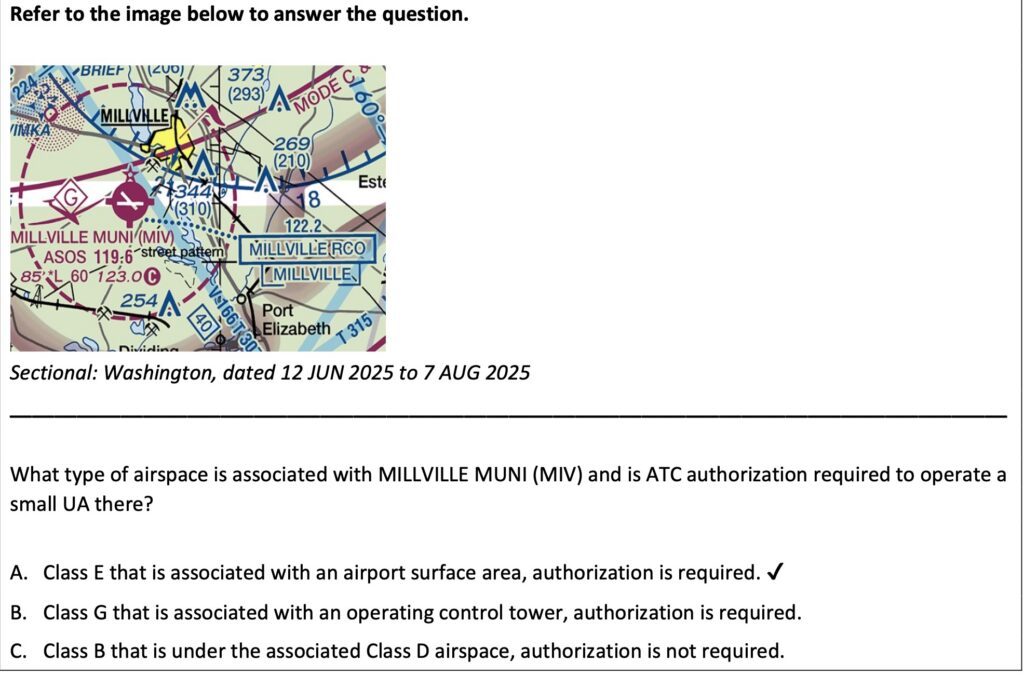
To assist prospective pilots in navigating the updated testing environment, the FAA strongly encourages candidates to review official sample materials made available through its designated testing provider, PSI. Familiarizing oneself with the digital interface and the new presentation of chart excerpts can significantly reduce test-day anxiety and help applicants understand the expectations of the modernized examination.
Independent aviation training providers have also begun responding to the upcoming regulatory shift. Educational organizations like Fly107Prep have published detailed breakdowns regarding the October 26 updates, offering specialized study tools and insights geared specifically toward mastering aviation chart interpretation under the new parameters. These resources range from complimentary informational guides to comprehensive test preparation applications designed to help candidates adapt to the visual format.
As the commercial drone industry continues to mature and integrate more deeply into the National Airspace System, regulatory bodies like the FAA continue refining their oversight and evaluation mechanisms. For aspiring remote pilots, the underlying aeronautical knowledge required to operate safely remains entirely consistent, but the method by which that proficiency is tested is evolving to meet the demands of modern aviation.