The UK Cabinet Office has rolled out a significant enhancement to the Find a Tender Service (FTS), introducing a new "Summarised Search" feature designed to radically improve how users navigate, filter, and analyze public procurement data.
Since the implementation of the Procurement Act 2023, FTS has served as the definitive central record for all public sector procurement across the United Kingdom. With billions of pounds in public funds flowing through government contracts annually, the platform acts as the primary gateway for businesses looking to bid on public opportunities and for citizens, journalists, and watchdogs seeking to track how public money is spent. However, navigating the sheer volume of data has historically presented challenges for users trying to extract meaningful insights.

The newly launched Summarised Search updates aim to address these usability hurdles by making government procurement data substantially more accessible and intuitive. Rather than forcing users to manually sift through individual notices to understand their contents, the upgraded system allows individuals to search and organize data by specific use cases. This includes streamlined tracking of live opportunities, awarded contracts, and commercial tools utilized by contracting authorities.
Observers and transparency advocates have welcomed the development, pointing out that the enhancements mark a notable shift toward a more user-centric digital infrastructure in government procurement. Among those closely monitoring the rollout are representatives from the Open Contracting Partnership, including Gavin Hayman and Camila Salazar, who provided advisory support to the Cabinet Office team behind the FTS development. While acknowledging their modest role in consulting on the project, the advisors praised the Cabinet Office for its willingness to listen and respond constructively to user suggestions during the design and implementation process.
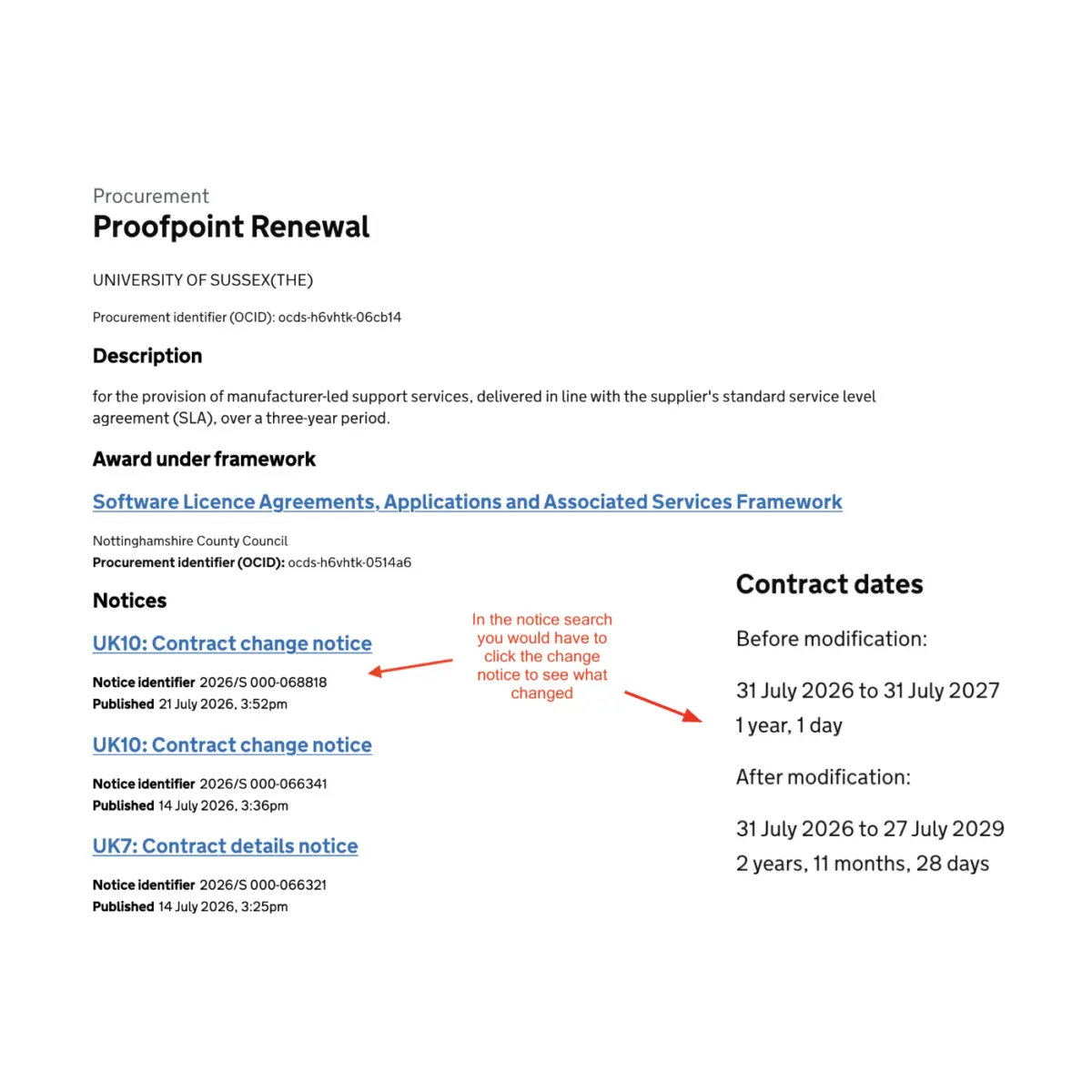
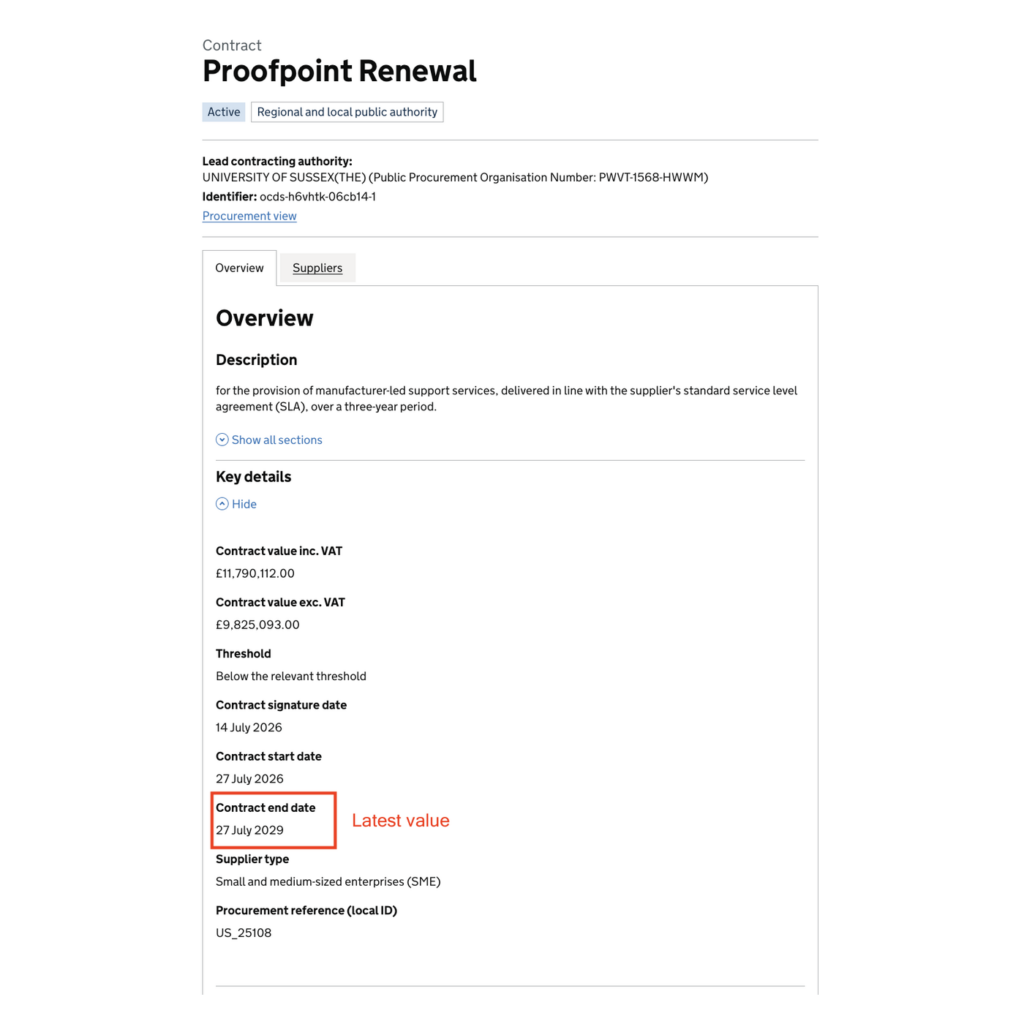
A side-by-side examination of the platform highlights the contrast between the legacy interface and the new capabilities. Previously, users searching for procurement notices often had to click through multiple individual entries just to understand the underlying value or history of a specific notice. The new summarised search compiles information using the latest data, presenting aggregated and contextualized views that make it far easier to evaluate market activity at a glance.
Despite the positive reception, experts emphasize that technical upgrades alone will not automatically transform public sector purchasing habits. Moving forward, a critical priority will be socializing these new features with regular system users, with a particular emphasis on contracting authorities who generate and manage the data. Continued engagement, user testing, and feedback collection will be essential to refining the user experience and ensuring that the platform meets the diverse needs of both public buyers and private suppliers.
Looking beyond the current release, stakeholders are already looking toward the next horizon of digital procurement reform. Advocates hope that the Cabinet Office will build upon the momentum of the Summarised Search by introducing comprehensive data dashboards and advanced analytical tools. Such features would enable users to conduct broader, market-level analyses of public procurement trends, identifying patterns in spending, supplier diversity, and sector performance.
Implementing these broader analytical capabilities would represent another major step forward in embedding a performance-driven, data-transparent culture within a vital government function. As the UK continues to adapt to the framework established by the Procurement Act 2023, enhancements like the FTS Summarised Search signal a concerted effort to make public contracting more open, efficient, and accountable.