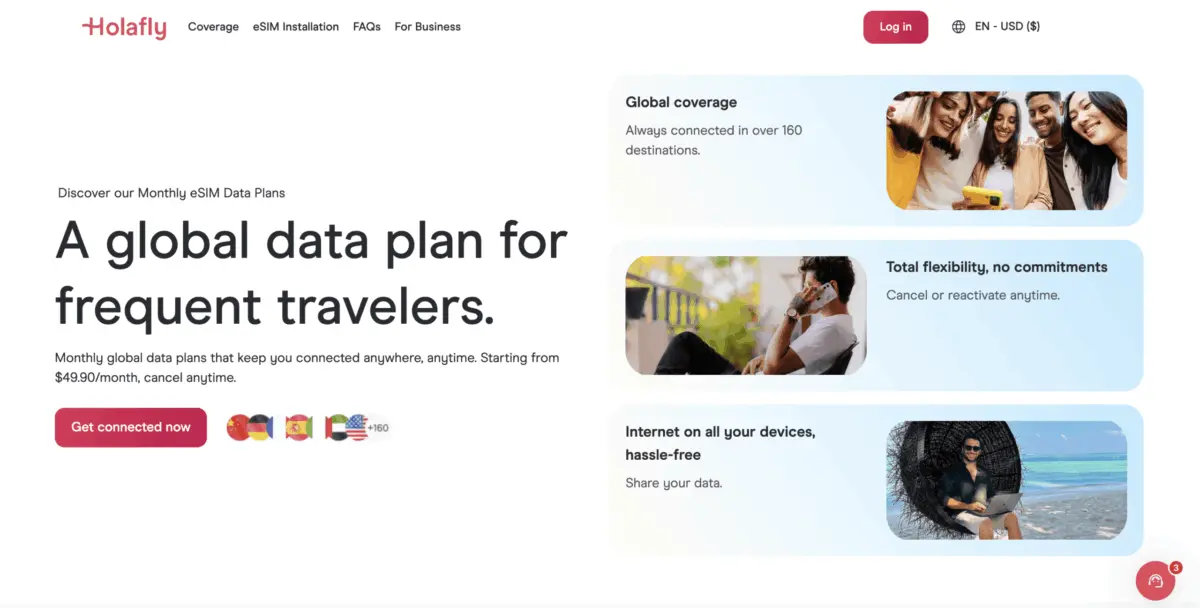
The global travel technology market is seeing a significant shift in how mobile connectivity is handled abroad, following the rollout of a new multi-destination subscription service by eSIM provider Holafly. Designed specifically for long-term travelers, digital nomads, and frequent flyers, the newly introduced product aims to replace traditional single-trip digital SIM cards with a continuous, borderless cellular plan that spans more than 160 destinations worldwide.
For years, the standard approach to international mobile data has involved purchasing localized digital SIM cards or relying on expensive carrier roaming packages. While standard digital SIMs—which are embedded directly into modern smartphone hardware without requiring a physical plastic card—have simplified travel by allowing users to activate local networks via QR codes or applications, they generally remain tied to single destinations or specific trip durations.
The newly announced subscription service alters this dynamic by establishing a single, ongoing global plan. Rather than requiring users to manually purchase a new package, scan a fresh QR code, or swap network configurations every time they cross an international border, the new subscription automatically detects network changes and seamlessly reconnects the device upon arrival in a new country. Industry observers note that the system functions similarly to a traditional domestic mobile carrier agreement, but at a fraction of the cost typically associated with international roaming.
The service is offered in monthly, quarterly, and annual billing cycles, with quarterly options providing approximately a ten percent savings and annual commitments yielding a fifteen percent reduction in overall costs. Subscribers can choose between two distinct tiers depending on their data consumption habits and professional requirements: the Light Plan and the Unlimited Plan.

The Light Plan provides twenty-five gigabytes of high-speed data per month, alongside hotspot functionality and coverage across the full spectrum of more than 160 supported destinations. This tier is positioned primarily for travelers who rely on digital navigation, messaging platforms, and standard web browsing.
Meanwhile, the Unlimited Plan removes data caps entirely and includes unrestricted mobile hotspot access, allowing professionals to tether laptops and other devices while on the move. This tier targets digital nomads who frequently engage in heavy data usage, such as uploading video content, participating in high-definition video conferences, or managing remote operations without worrying about data depletion. Additionally, the Unlimited Plan incorporates a local phone number originating from the United States, the United Kingdom, or Canada, enabling users to receive SMS messages while abroad.
Both tiers also include an integrated backup feature known as "Always On." Once a subscription is activated, users receive one gigabyte of backup data every month automatically. Crucially, this backup provision persists for life, even if the subscriber eventually cancels the primary paid subscription entirely.
Comparing Classic eSIMs and Ongoing Global Subscriptions
The introduction of an ongoing global subscription highlights a growing division in the travel technology sector between short-term vacationers and long-term mobile professionals.
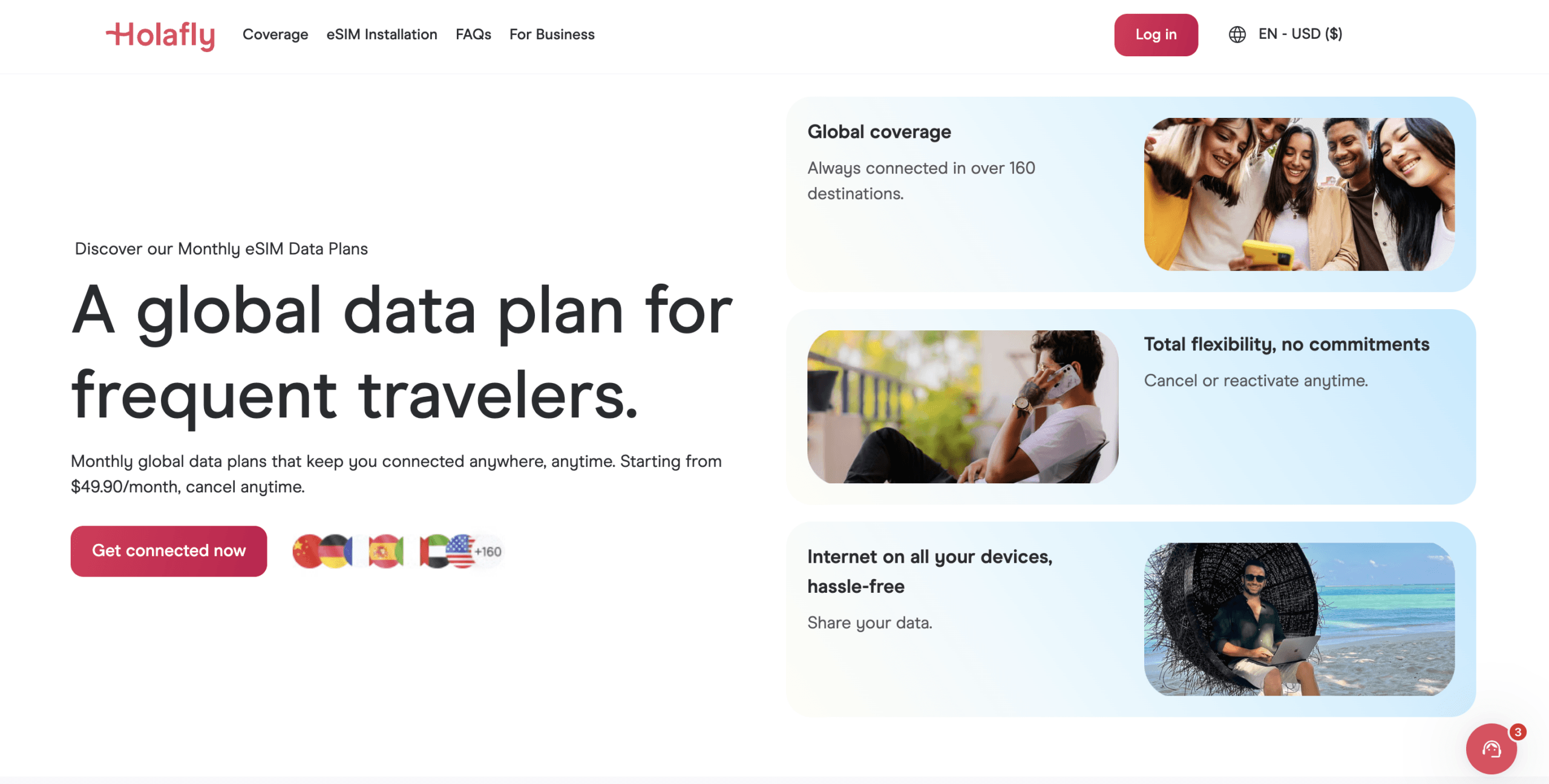
Traditional destination-specific digital SIM cards remain the preferred solution for short trips. For instance, a traveler taking a two-week vacation to Portugal benefits from purchasing a localized, single-use package that covers only that specific geographic area for a fixed number of days. These one-time purchases are straightforward and cost-effective for individuals who only take a small number of trips each year.
Conversely, individuals who spend the majority of the year outside their home countries while constantly moving between nations face significant friction under traditional models. Constantly buying new digital packages, managing multiple accounts, and dealing with potential service drops at international borders can become cumbersome. The new global subscription model addresses this by maintaining a single continuous connection, a single phone number, and a unified billing structure that follows the user across international boundaries indefinitely.
Financial comparisons further illustrate the changing landscape. Major domestic telecommunications providers in markets like the United States often charge substantial daily fees or monthly add-on rates for international roaming passes, frequently exceeding one hundred to three hundred dollars per month while still imposing strict high-speed data thresholds or throttling speeds after a certain limit. In contrast, the unlimited tier of the new global subscription service is priced around fifty-five to sixty-five dollars per month depending on the billing commitment, undercutting major traditional carrier rates while providing uncapped data allowances and multi-device hotspotting capabilities.
Implementation and Market Positioning
Setting up the new global subscription follows the streamlined process common to modern digital SIM technology, allowing users to complete installation within minutes through a compatible smartphone application. Technical support is maintained on a continuous, twenty-four-hour basis to assist users with any connectivity or configuration issues during transit.
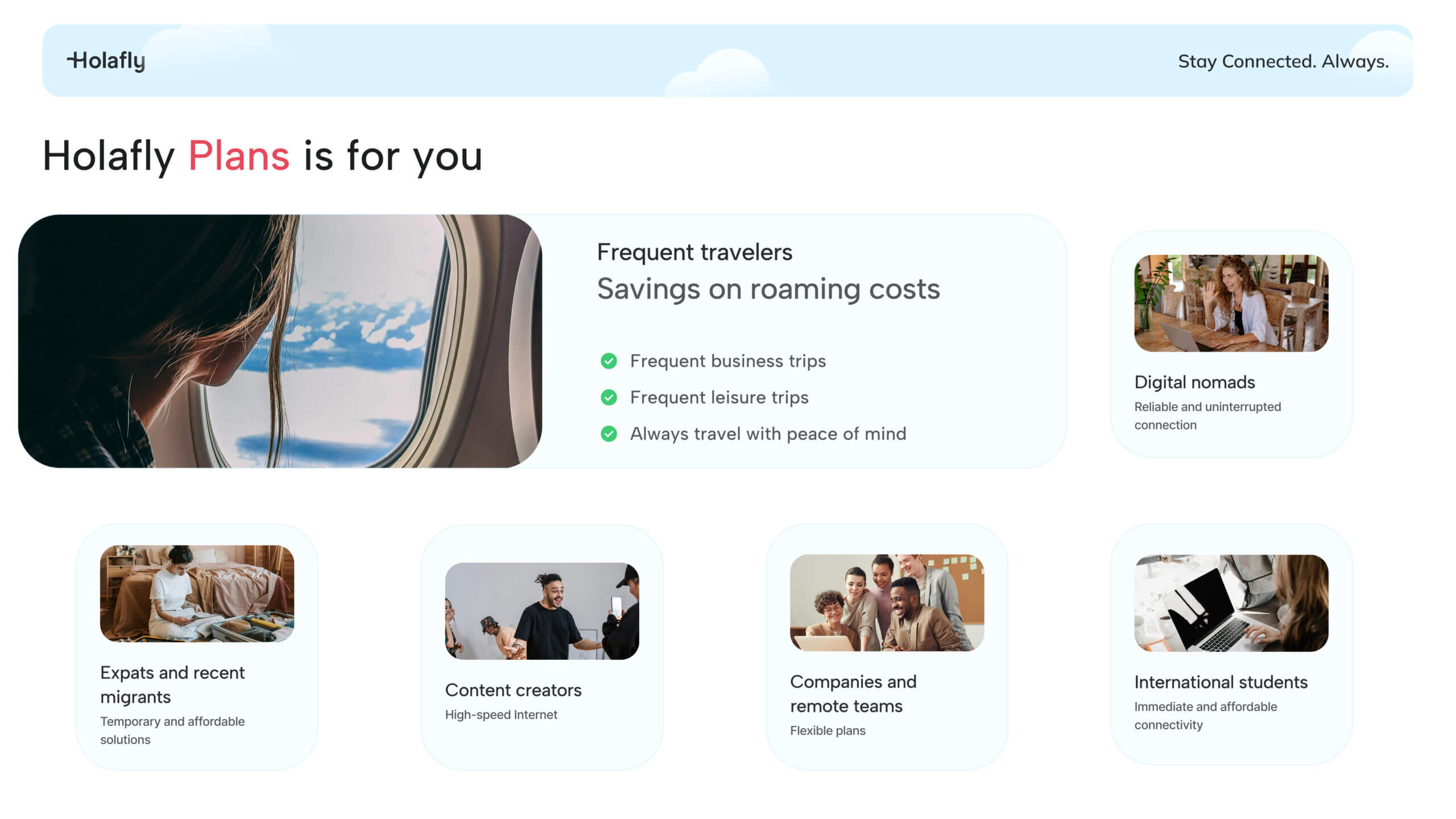
While the service offers distinct advantages for long-term travelers, industry analysts emphasize that it is not universally suited for all demographics. Casual vacationers taking brief annual trips will likely find traditional single-destination packages more economical. However, for frequent flyers navigating multiple countries within a single month, or remote workers requiring stable, uninterrupted connectivity for professional duties, the ongoing subscription model offers a streamlined alternative designed to reduce administrative friction and long-term expenses.