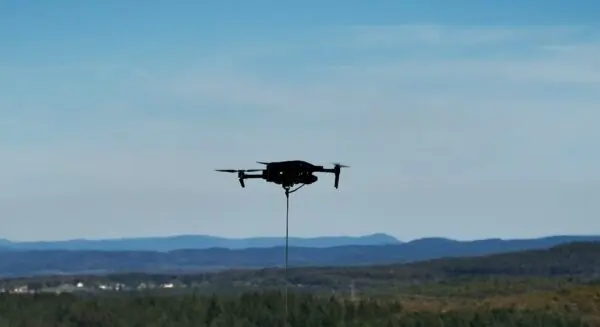
New Federal Communications Commission filings have brought fresh attention to the complex battle over foreign-manufactured unmanned aerial systems, highlighting specific national security concerns alongside broader supply chain risks that underpinned the original Covered List decision.
United States Senator Rick Scott has formally challenged arguments presented by major Chinese drone manufacturers DJI and Autel Robotics in their ongoing efforts to overturn their inclusion on the Federal Communications Commission’s Covered List. In an October 14 letter addressed to FCC Chairman Brendan Carr, Senator Scott drew upon years of ongoing congressional investigations and a classified Pentagon report to bolster the federal government’s defensive measures against potential foreign surveillance threats.
The high-stakes letter arrives as both prominent Chinese drone makers actively seek to reverse the regulatory actions taken against them. DJI has previously filed a formal petition for reconsideration with the agency, while Autel Robotics has submitted an application for review, both arguing that the restrictions lack adequate justification and procedural fairness.
Senator Scott, who notably sponsored legislation that helped shape Section 1709 of the Fiscal Year 2025 National Defense Authorization Act, firmly disputes the companies’ assertions that the federal government failed to conduct a thorough and adequate security review before implementing the bans.
"I have read and agree with the analysis detailed in the classified report concluding that DJI and Autel present an unacceptable risk to U.S. national security and that their technology should be on the FCC’s Covered List," Scott wrote in his correspondence. The FCC subsequently added his letter to both active proceedings on October 15, signaling the growing weight of legislative input in the regulatory debate.
Supply Chain Security and the Original FCC Decision
The newly introduced filings add substantial context to the FCC’s December 2025 decision to restrict equipment authorization for foreign-produced drones and their critical components. That landmark decision followed a coordinated interagency national security determination that identified acute risks associated with foreign-manufactured drone technology operating within domestic airspace.
The original determination emphasized not only the immediate security of standalone drone systems but also the critical necessity of fostering a reliable domestic manufacturing base. It carefully identified potential risks involving real-time surveillance, sensitive data security vulnerabilities, and potential disruptions to American critical infrastructure. Beyond these immediate cyber and physical security concerns, the regulatory action raised a broader systemic worry: that long-term dependence on foreign manufacturers could leave the United States dangerously vulnerable to sudden supply chain disruptions. In this light, domestic drone production was presented as an indispensable component of national security and national industrial readiness.
Consequently, the enacted restrictions addressed far more than the baseline security features or firmware vulnerabilities of individual drone models. They also directly reflected mounting apprehensions regarding the country’s long-term ability to maintain secure, uninterrupted access to essential drone technology and specialized hardware components amidst shifting geopolitical tensions.
Scott Points to Classified Investigations
In his strongly worded letter, Senator Scott argues that Congress had meticulously examined the corporate structures, operational models, and software ecosystems of DJI and Autel for years prior to the FCC’s definitive action. To support this timeline, he points to a combination of classified intelligence briefings, public congressional hearings, meetings with domestic industry representatives, and a series of previous government restrictions implemented across various federal agencies.
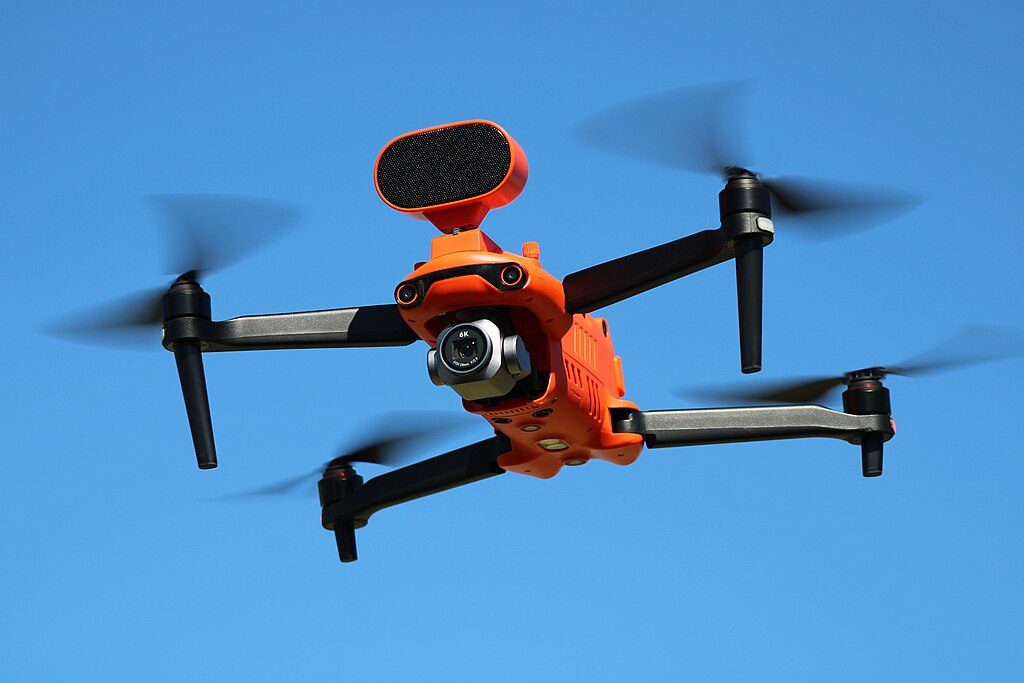
Scott also directs attention toward earlier punitive and regulatory actions taken by the Departments of Commerce, Treasury, and Defense involving the two manufacturers. His letter raises persistent concerns regarding potential data harvesting, deep-seated institutional ties to China’s military-industrial complex, and the market-distorting effects of aggressive Chinese government subsidies on the development of a competitive U.S. drone manufacturing sector.
While these are the core arguments Scott presents in vigorous support of the federal restrictions, his letter notably stops short of publicly disclosing the underlying classified evidence that forms the basis of the Pentagon’s formal findings. Nevertheless, the senator firmly rejects the companies’ repeated claims that the government failed to appropriately review their consumer and enterprise products before determining that they presented unacceptable national security risks.
Pentagon Documents Added to FCC Proceedings
On October 14, the FCC officially announced that it had incorporated Department of War correspondence directly into the active DJI and Autel proceedings. This correspondence includes formal letters previously submitted to relevant congressional committees pursuant to Section 1709 of the FY2025 National Defense Authorization Act.
To maintain transparency while protecting sensitive state secrets, the FCC placed redacted, unclassified cover pages into the public records while filing the underlying classified materials securely under seal. Alongside this administrative action, the commission made an important and deliberate clarification regarding its evidentiary timeline:
"However, we note that we did not rely upon these materials at the time of making any related additions to the Covered List."
This careful statement serves to clearly distinguish the newly entered Pentagon documents from the specific information that informed the FCC’s earlier regulatory decisions. While the publicly available materials formally confirm that the Pentagon did indeed submit classified national security findings to lawmakers, they do not provide independent researchers or the public with the underlying empirical evidence necessary for independent examination.
What the New Filings Mean
The October filings do not introduce brand-new restrictions, nor do they instantly resolve the pending legal and administrative challenges brought forward by DJI and Autel. However, they successfully bring renewed public and regulatory attention to two deeply intertwined national security challenges: the inherent vulnerabilities of relying on foreign drone supply chains and the specific allegations leveled against individual manufacturers.
While the original FCC actions were designed to address broad, systemic risks associated with foreign-produced unmanned aircraft, Senator Scott’s letter specifically emphasizes the government’s extensive multi-year investigations into DJI and Autel, reinforcing his political support for the resulting market barriers.
As the underlying classified findings remain shielded from public view, the FCC must still formally navigate and address the pending petitions and review applications filed by the companies. The ultimate resolution of these proceedings will likely set a major precedent for how federal regulators balance international commercial technology with domestic security imperatives in the rapidly evolving unmanned systems sector.