By Gavin Hayman and Camila Salazar | July 30, 2026
The UK Cabinet Office has rolled out a significant and long-awaited upgrade to the search functionality of the Find a Tender Service (FTS), marking a major step forward in how government procurement data is accessed, analyzed, and utilized across the public and private sectors.

Since the passage of the landmark 2023 Procurement Act, FTS has firmly established itself as the single, authoritative primary record for all public procurement activities across the United Kingdom. Every tender, contract award, and commercial update flows through the platform, making it a critical repository of public spending and market opportunity. However, as the volume of data housed within the system has grown, navigating the platform to extract meaningful insights has frequently presented challenges for suppliers, contracting authorities, and market researchers alike.
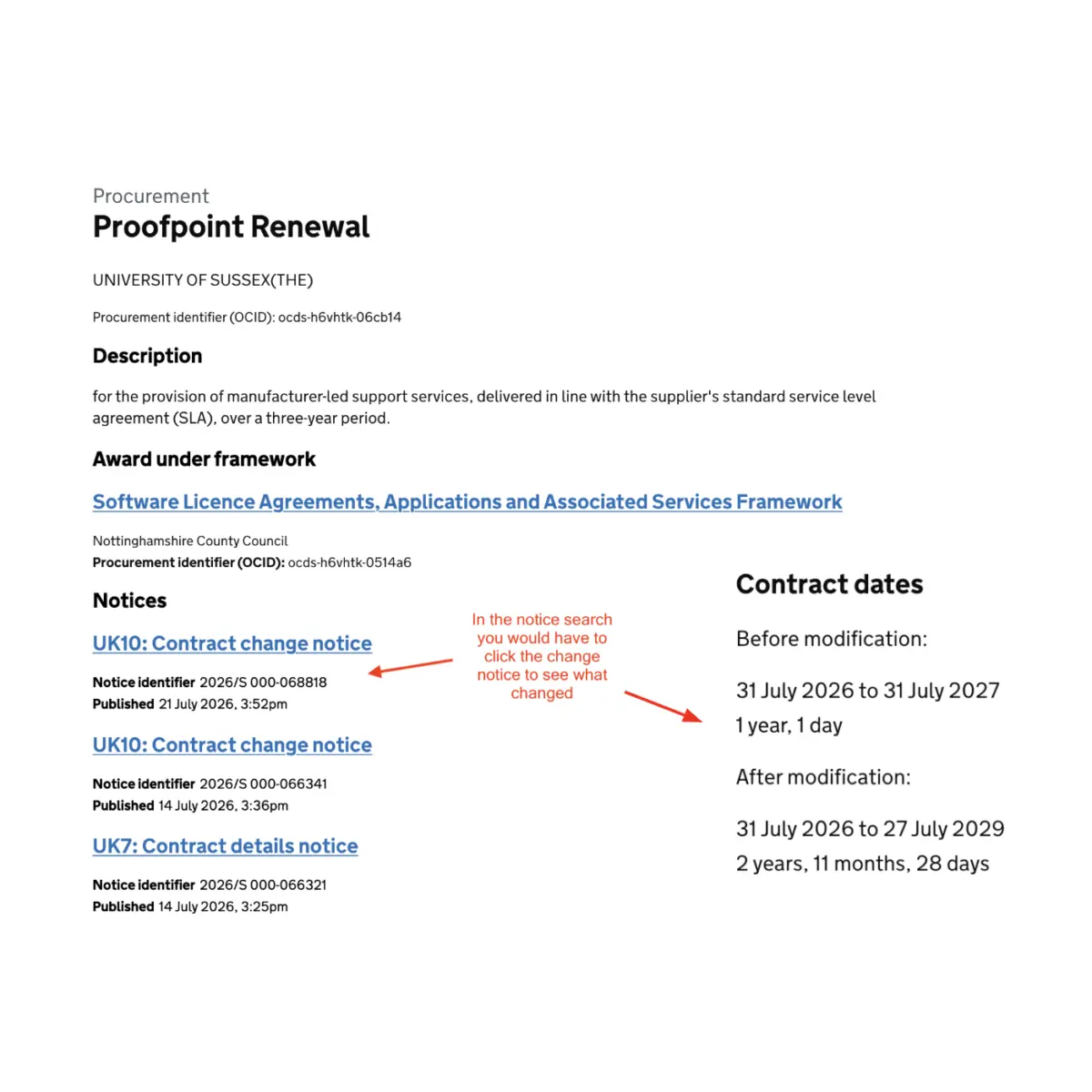
The newly introduced summarised search updates are designed to directly address these usability hurdles. By restructuring how information is presented and allowing users to navigate procurement data through specific use cases—such as active opportunities, awarded contracts, and commercial tools—the system makes its vast troves of data far more accessible and intuitive. Rather than forcing users to manually sift through endless rows of raw notices, the upgraded platform compiles relevant information efficiently, offering a clearer, high-level view of market activity.
Industry observers and transparency advocates have responded warmly to the modernization effort. Among them are representatives from the Open Contracting Partnership, who revealed they played a modest advisory role in assisting the Cabinet Office team behind the FTS development. Reflecting on the collaborative process, the advisors noted their appreciation for the care and diligence the government team demonstrated in listening to external recommendations and translating user feedback into practical platform enhancements.
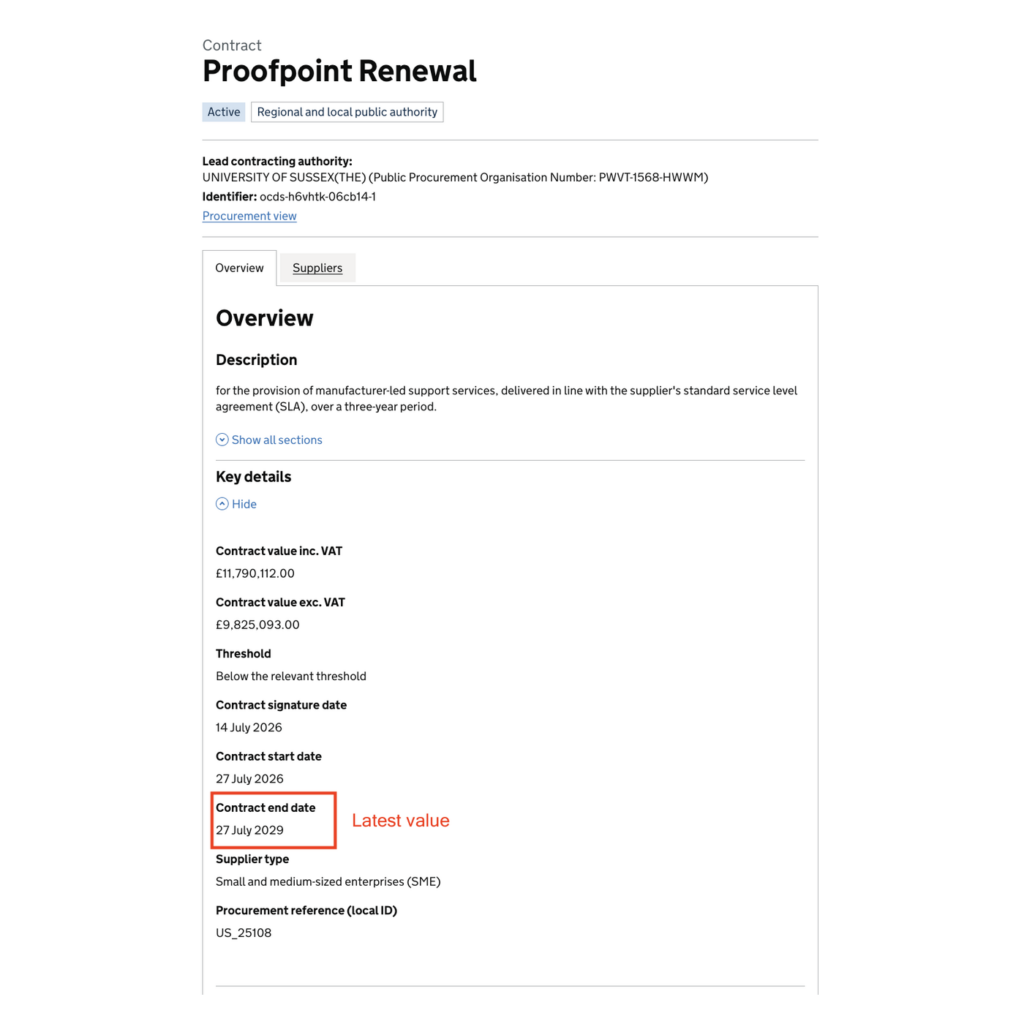
While the launch of the summarised search feature represents a substantial victory for procurement transparency, experts emphasize that the work does not stop at deployment. Moving forward, a critical priority will be socializing these new features among core user groups—particularly contracting authorities and suppliers who rely on the platform daily. Ensuring that public sector buyers and private sector bidders fully understand how to leverage the upgraded user experience will be essential to maximizing the return on this technological investment. Furthermore, continuous collection of user feedback will be vital to refining the interface and addressing any emerging friction points in the user journey.
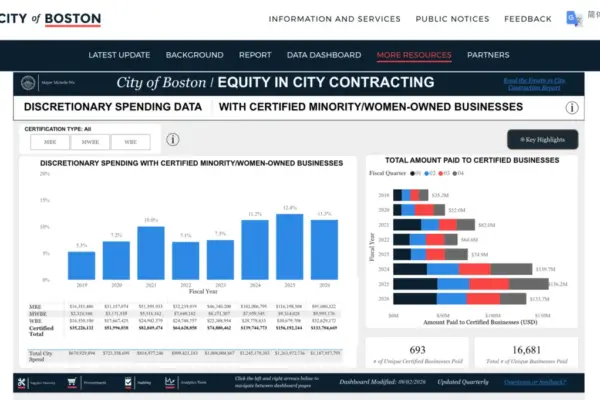
Looking ahead, stakeholders are already eyeing the next horizon of public procurement reform in the UK. The primary ambition on the immediate horizon is the introduction of advanced data dashboards and analytical tools. Such features would empower users to conduct broader, market-level analyses of procurement trends, spending patterns, and supplier performance. Implementing these sophisticated analytical layers would constitute another massive stride toward embedding a deeply performance-driven and data-focused culture into one of the most vital functions of government operations, ultimately fostering greater competition, efficiency, and public trust in how taxpayer money is spent.