September 21, 2026
Flight cancellations mounted by the hundreds on Monday after a critical Federal Aviation Administration outage severely snarled air traffic across the heavily congested Northeast corridor, leaving travelers stranded, aircraft stuck on taxiways, and major hubs grappling with systemic delays.
By late Monday evening at approximately 10:20 p.m. EDT, airlines had canceled around 1,100 flights nationwide, according to data provided by flight-tracking service FlightAware. The ripple effects of the telecommunications failure touched nearly every major hub in the Northeast, but the brunt of the operational chaos was absorbed by Newark Liberty International Airport. At EWR, the disruptions were so severe that more than half of all scheduled Monday departures were grounded.
In response to the widespread operational breakdown, the largest U.S. carriers rushed to issue flexible travel waivers, allowing passengers caught in the gridlock to modify their itineraries without standard change fees. However, aviation authorities and airline officials warned that the cascading effect of displaced aircraft and flight crews would likely spill over into Tuesday, as carriers work tirelessly to restore normal schedules and get operations back on track.

Why So Many Flights Got Canceled on the East Coast
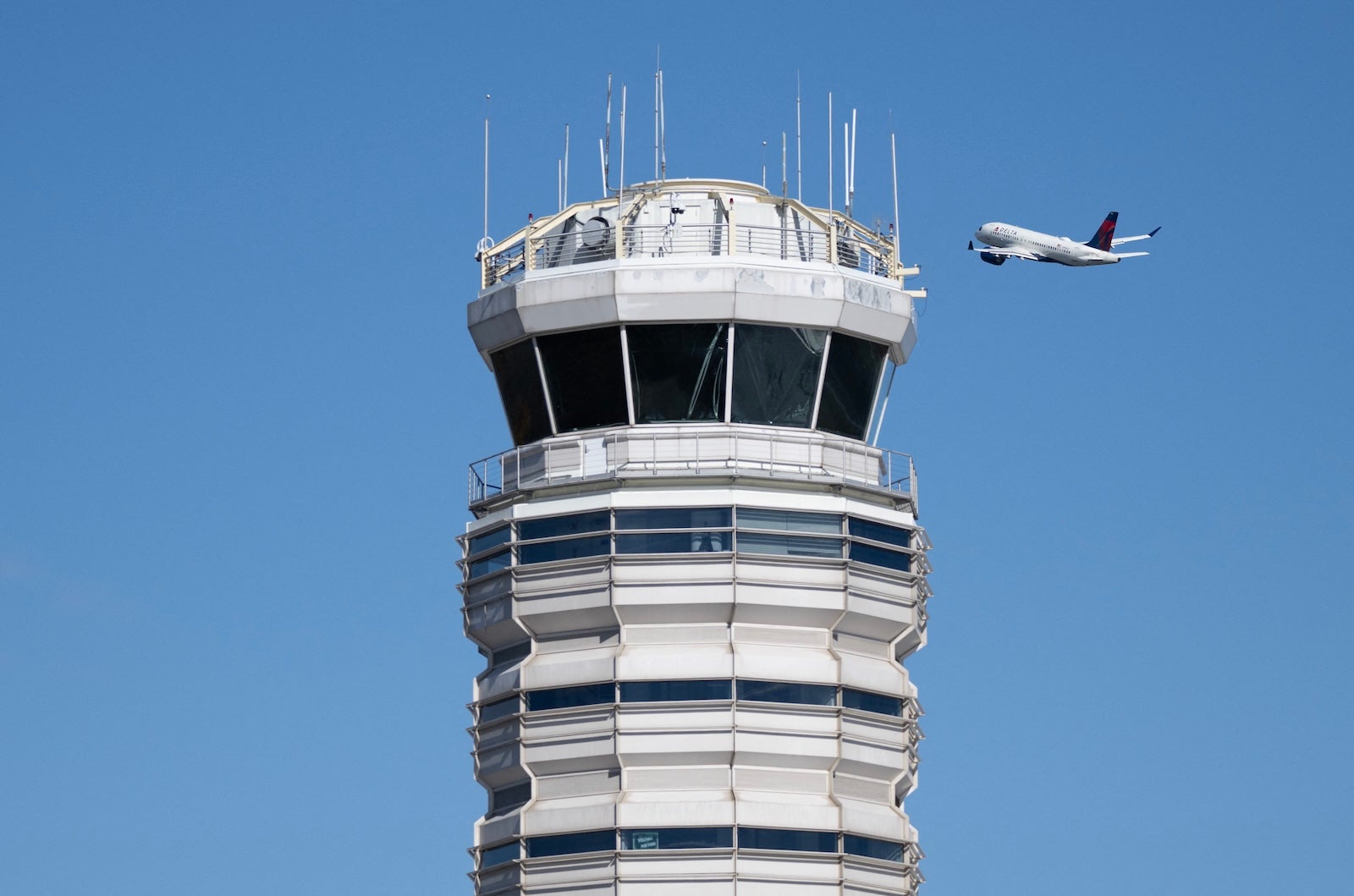
The roots of Monday’s transportation crisis traced back to an unexpected outage affecting a critical FAA communications system housed in Philadelphia. Making a bad situation significantly worse, the technological failure was compounded by a physical accident on the ground. According to Transportation Secretary Sean Duffy, a rail worker accidentally severed a primary fiber-optic telecommunications line that feeds essential data directly into the nation’s air traffic management systems.
While repair crews managed to splice and fix the severed line by the early evening hours, Secretary Duffy noted that the damage had already been done, and residual delays and cancellations were guaranteed to mount as evening approached.
Newark Liberty International Airport and Philadelphia International Airport bore the heaviest burdens of the infrastructure failure. On top of the hundreds of outright cancellations in Newark, Philadelphia International Airport saw roughly a fifth of its total departures grounded by early evening, with that proportion continuing to climb as air traffic controllers struggled to manage reduced capacity.
Other vital regional hubs felt the immediate and acute effects of the communication blackout. During the peak of the crisis on Monday afternoon, the FAA was forced to implement sweeping ground stops across all three of the primary commercial aviation hubs in the New York metropolitan area. Similar precautionary ground stops were instituted at Boston Logan International Airport and other surrounding facilities to prevent airspace congestion and maintain safety margins while radar and communication links were unstable.

The sudden halts left passengers stranded inside terminal buildings for hours, while inbound flights already in the air were forced into holding patterns, diverted to alternative regional airports, or left sitting indefinitely on airport tarmac taxiways.
How Airlines Are Responding to the Crisis
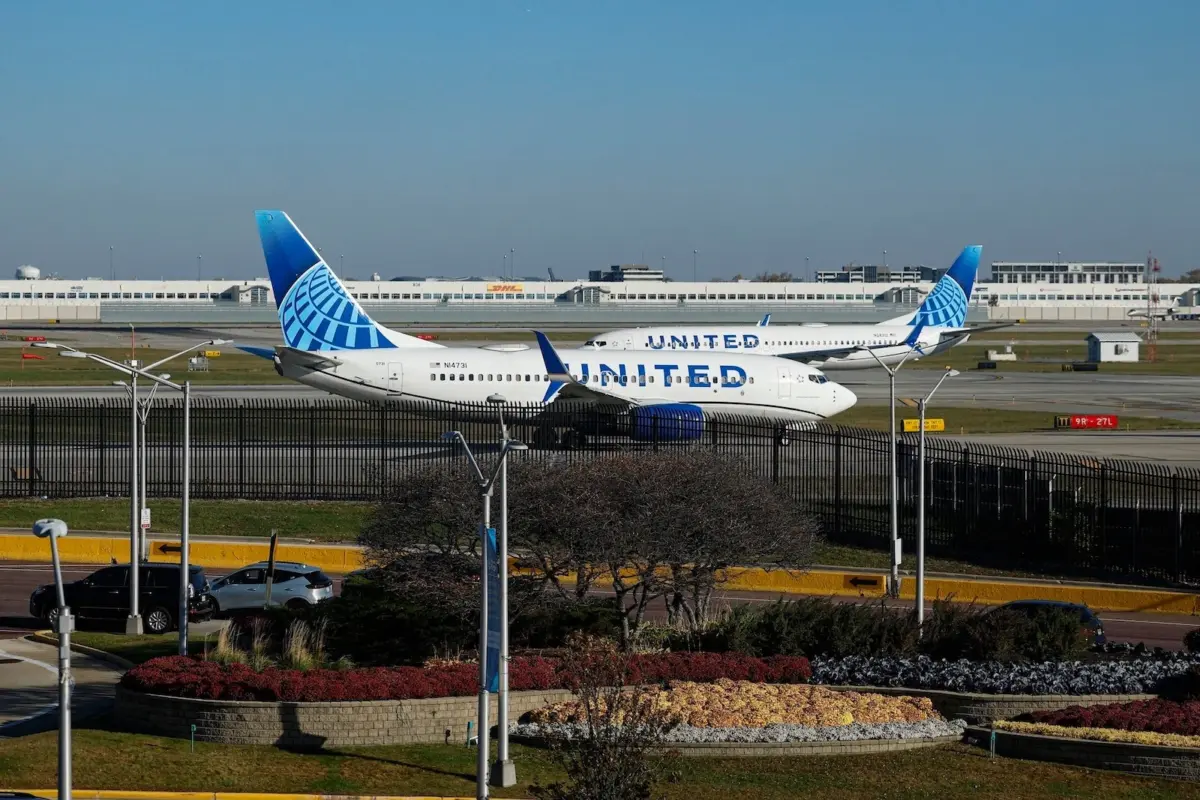
United Airlines, which maintains a massive and vital operational hub at Newark Liberty International Airport, saw its daily flight schedule hit harder than any other domestic carrier. By Monday evening, United’s cancellation tally had climbed past 350 flights. Industry analysts noted that this figure would likely continue to rise as the airline fought to reposition displaced aircraft and displaced flight crews back to their assigned bases.
In a formal statement provided to aviation media outlets, United acknowledged the gravity of the situation. Company representatives stated that they recognized the outage was causing significant and frustrating disruptions for customers, adding that once the federal systems were fully restored, their primary focus would be on safely moving passengers to their intended destinations.
In tandem with United, several other major U.S. airlines quickly implemented flexible travel advisories and waivers. Most of these policy exemptions specifically target passengers booked through Newark and Philadelphia, though surrounding airports were also included. Depending on the specific airline and ticket class, affected travelers have been granted options to rebook flights for later dates, alter their routing, or request permission to fly out of alternative regional airports without incurring financial penalties.
What Travelers Can Do If Their Trip Is Affected
For passengers whose travel plans were upended by Monday’s infrastructure failure, navigating the aftermath requires a clear understanding of passenger rights and available options.
Even though the root cause of the widespread cancellations and delays stemmed from air traffic control infrastructure failures that were completely outside of the airlines’ direct control, federal consumer protection rules remain fully in place. Under official U.S. Department of Transportation regulations, travelers are legally entitled to a complete cash refund if their flight is canceled or experiences a significant schedule delay, regardless of the underlying reason, provided they choose to abandon the journey and opt not to fly.
This federal rule provides a practical financial safety net for passengers who choose to pivot their travel plans entirely—such as deciding to take a train, rent a car, or simply stay home instead of continuing with the trip. Additionally, these refund provisions assist flyers who prefer to independently purchase a backup ticket on an alternative airline and subsequently cancel their original, disrupted itinerary.
Rather than standing in immense terminal lines or enduring prolonged wait times on customer service phone queues, travel experts advise passengers to utilize their airline’s official mobile application. By logging into the app and ensuring all reservation details are synced, travelers can frequently access automated rebooking tools that allow them to secure new seat assignments and resume their travel paths much faster than waiting for airport gate agents.

Regarding out-of-pocket expenses such as overnight hotel accommodations and meals, standard airline policies typically do not require carriers to cover passenger costs when delays or cancellations originate from air traffic control mandates or federal infrastructure emergencies. However, passengers who purchased their tickets using credit cards equipped with built-in travel insurance benefits may have avenues to file claims and recoup unexpected out-of-pocket costs. Travelers are advised to retain all receipts and review the specific terms and conditions of their card agreements before initiating a claim, as coverage parameters vary widely depending on the financial institution and card product.