
After an absence of nearly two decades, travel writer and author Matt Kepnes returned to Ko Lipe, a small island in southern Thailand that once defined the ultimate backpacker dream. Spending nearly a month there in 2006, Kepnes remembered a remarkably remote destination accessible only by a difficult boat journey at the tail end of the season. At the time, electricity was restricted to just a few hours a day, basic beachfront bungalows cost roughly two dollars a night, and the island’s infrastructure consisted of dirt paths, a single beachside bar, and a handful of local restaurants.
For many intrepid travelers who made the journey, Ko Lipe was an idyllic escape. Days drifted by in a simple routine of reading, swimming, snorkeling, and interacting closely with local residents. It was a place where travelers frequently found themselves extending their stays, turning planned days into weeks. For Kepnes, who has spent decades exploring the globe, those formative weeks on Ko Lipe long remained the absolute highlight of his travels—a period that fostered deep friendships, cultural immersion, and an appreciation for unhurried island life.
For nineteen years, however, Kepnes deliberately avoided returning. Driven by a desire to preserve the powerful nostalgia of his initial visit, he feared that revisiting the island would mean chasing ghosts of the past. Knowing full well that Thailand’s tourism industry has historically leaned heavily toward rapid, unsustainable development—exemplified by the massive commercialization of destinations like Ko Phi Phi—he worried that seeing a heavily altered Ko Lipe would extinguish his fond memories.
The return finally materialized out of logistical necessity during a recent journey through Southeast Asia. Traveling down the Indian Ocean coast of Thailand toward a planned border crossing into Malaysia, Ko Lipe lay directly along the route. Seeking a lively location to ring in the New Year and a reliable ferry connection to Langkawi, Kepnes decided to confront his apprehensions and make the stop.
The reality of contemporary Ko Lipe proved sobering. According to Kepnes, the island has fully embraced the Ko Phi Phi model of tourism, resulting in severe and unsustainable overdevelopment.
Most of the island’s terrain has been paved over. The historic dirt footpaths that once characterized its interior have been replaced by concrete roads designed to accommodate cars and heavy construction trucks. Lush tracts of native palm trees have been cleared to make way for upscale resorts featuring swimming pools—a staggering architectural choice on an island that lacks any natural freshwater supply. Construction projects continue at a relentless pace to meet surging visitor demand.
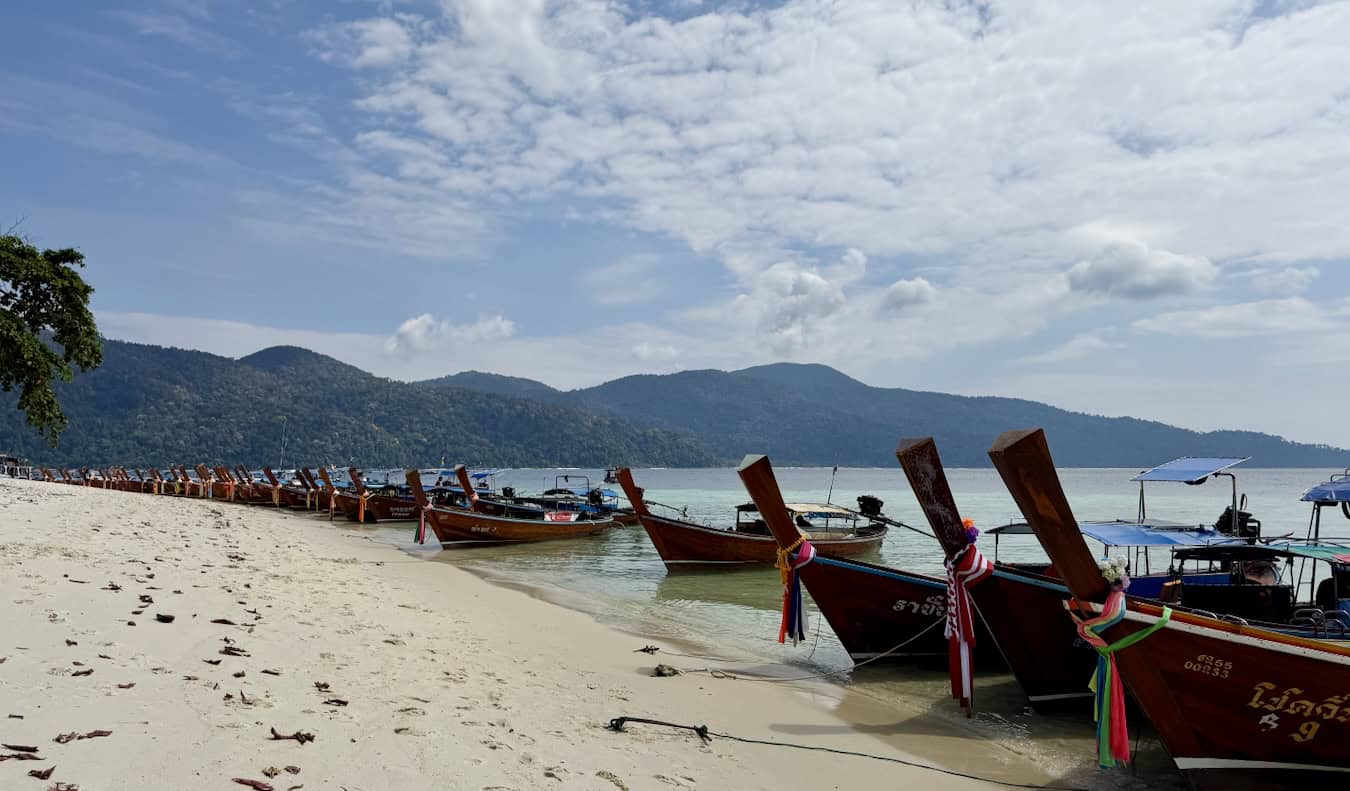
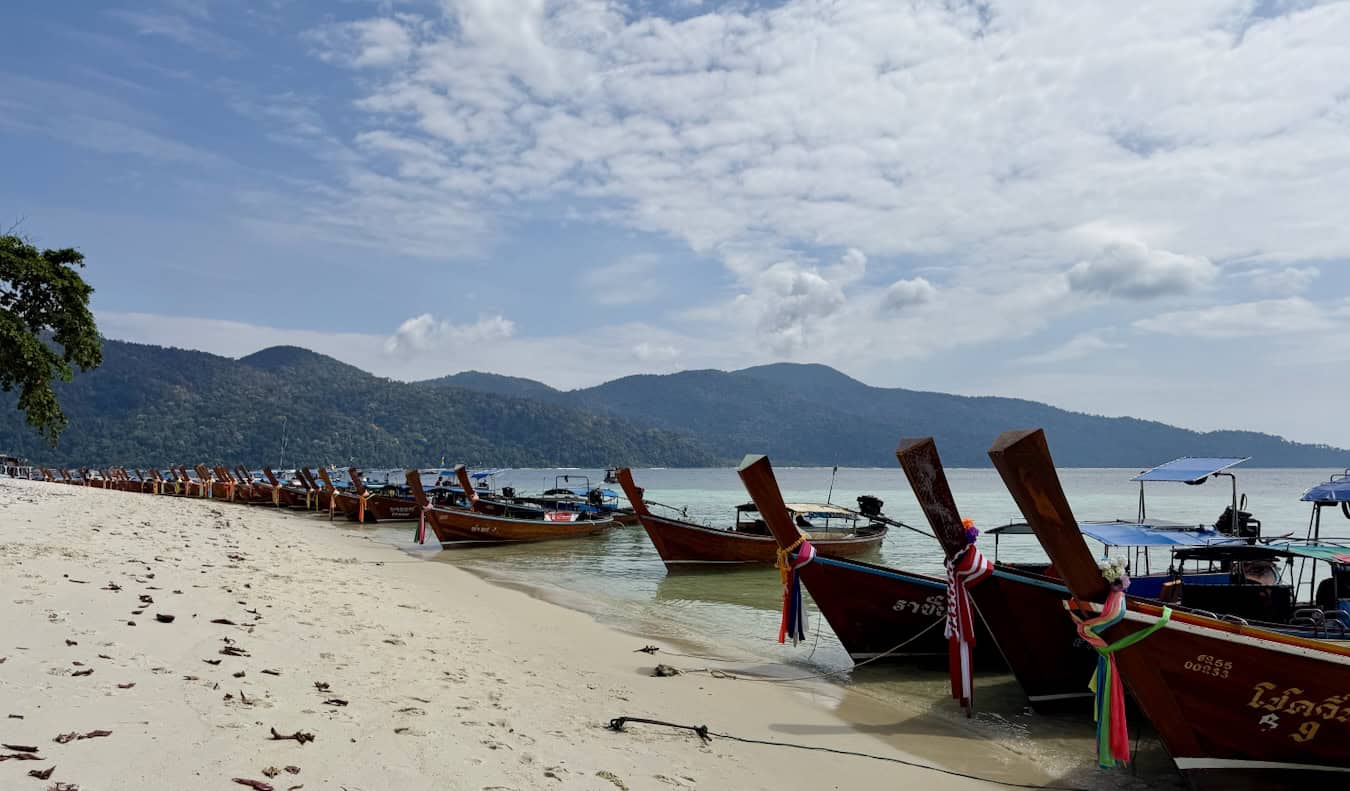
The marine ecosystem has borne a heavy toll from the tourism boom. Coral reefs surrounding the island are rapidly dying off, choked by the constant traffic of tour boats, dropped anchors, marine pollution, and overfishing. The shoreline is now densely lined with longtail and speedboats, whose exhaust fumes spill directly into the water, leaving a visible sheen of petroleum across the swimming areas. Meanwhile, local dining establishments have shifted away from traditional Thai cuisine to cater to tourists demanding Western fast food and comfort meals.
The rapid economic transformation has also disrupted the local community. Many indigenous residents have been pressured or forced to sell their land to developers hailing from the Thai mainland. Consequently, a significant portion of the island’s current workforce consists of transient laborers from outside the community who see very little of the economic wealth generated by the tourism surge. Ko Lipe now stands as yet another casualty of Thailand’s historical challenge with balancing high-volume tourism against the preservation of finite natural resources.
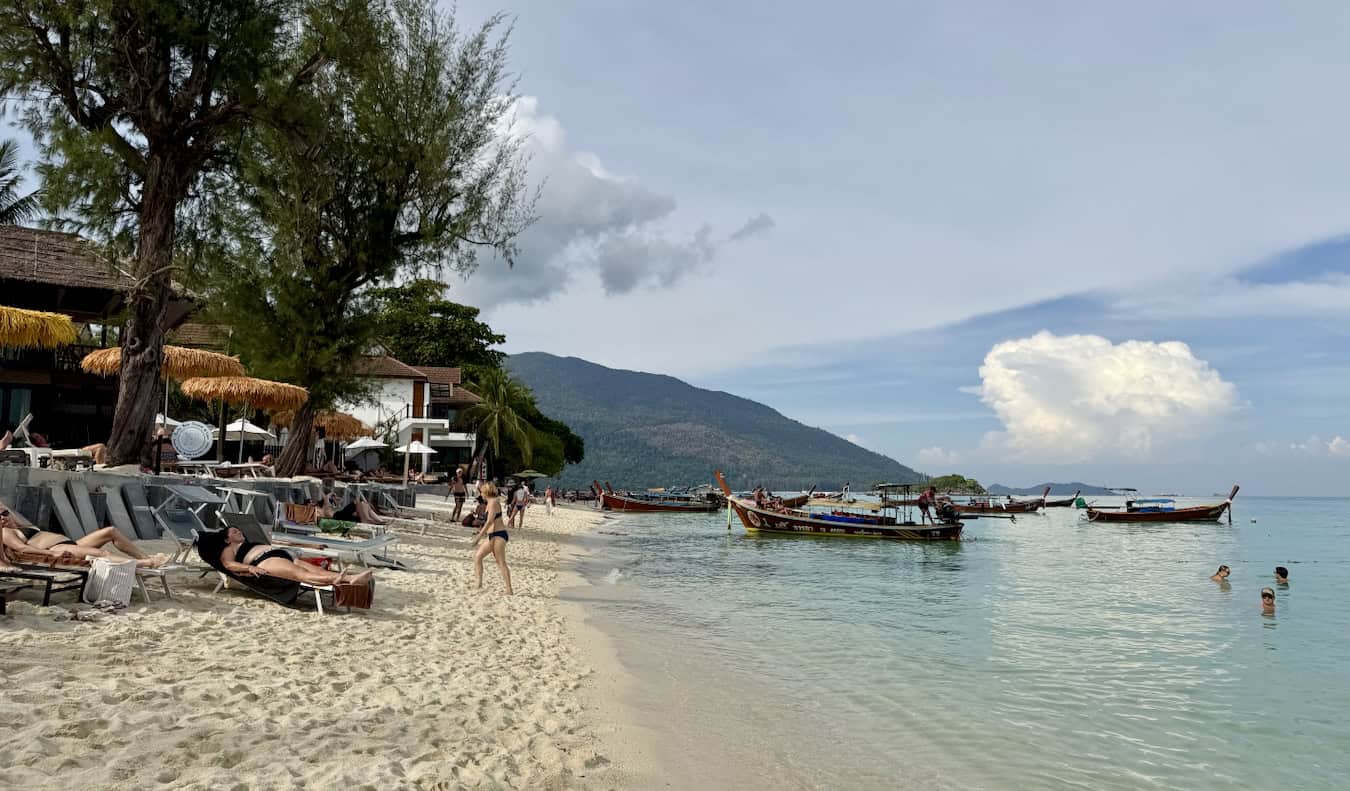
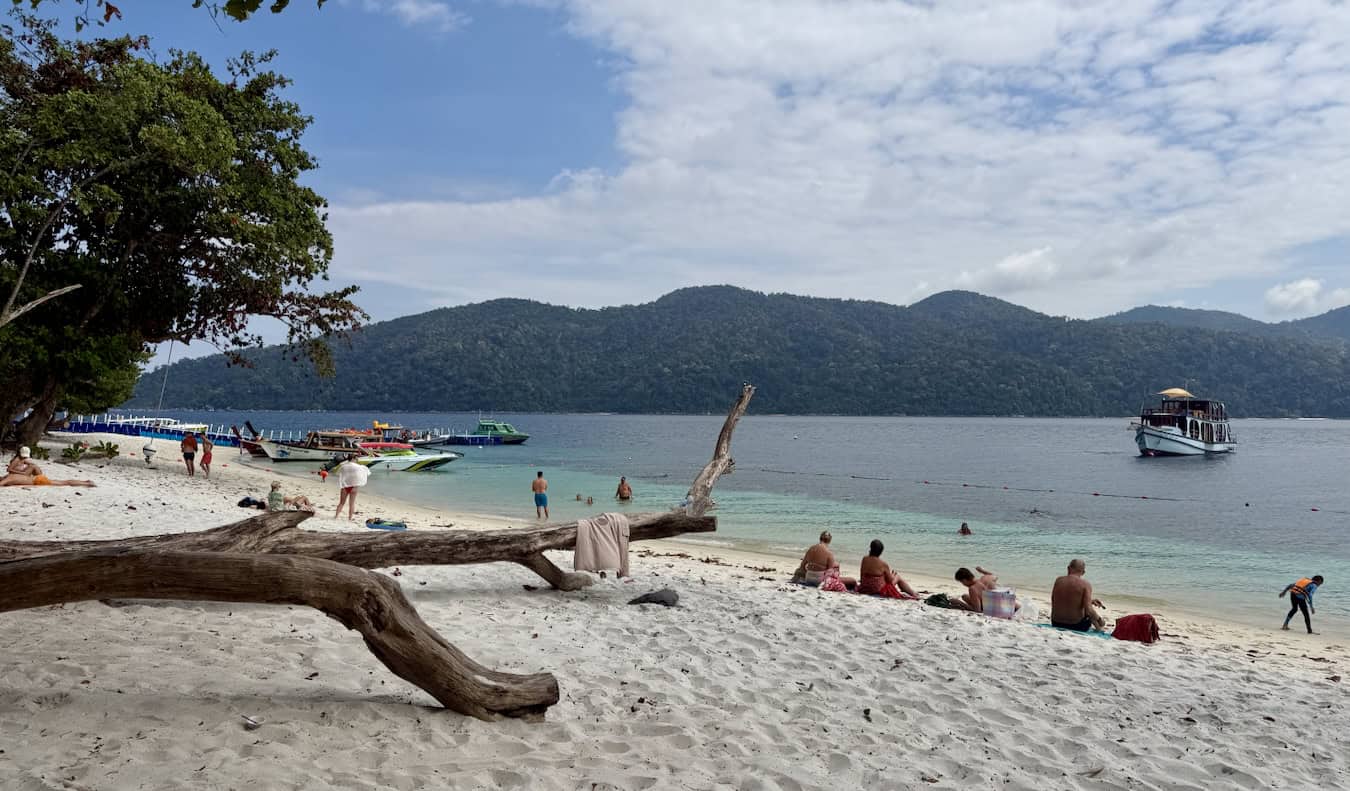
Despite these environmental and social costs, Kepnes acknowledges why first-time visitors continue to fall under the island’s spell. The surrounding natural geography remains postcard-perfect, defined by striking azure waters, fine white sand beaches, and proximity to a protected national park that offers appealing excursions to nearby uninhabited islands. When measured against heavily tour-trodden hubs like Phuket, Krabi, or Ko Phi Phi, Ko Lipe can still feel relatively compact and visually arresting to an uninitiated traveler taking their first steps onto its shores.
Yet, reflecting on the broader implications of this unchecked expansion, Kepnes has arrived at a firm conclusion: travelers should stop visiting Ko Lipe.
While growth in and of itself is not inherently negative, the specific model of rapid, resource-draining development seen on Ko Lipe is ultimately destructive. The island lacks the infrastructure to support such heavy annual influxes of tourists without permanently damaging its environment. At the same time, acknowledging the economic reality that local landowners and developers will not voluntarily curb growth for the sake of preserving an outsider’s romanticized ideal, Kepnes argues that individual consumer choice remains one of the few remaining counterweights.
With numerous alternative islands in the region offering better environmental management and sustainable tourism practices—such as nearby Ko Lanta, Ko Jum, and Ko Mook—tourists have viable options to redirect their itineraries. Continuing to visit Ko Lipe only accelerates the strain on its fragile ecosystem and overtaxes its limited resources.
Drawing parallels to other successful shifts in consumer behavior across the travel industry—such as the widespread public rejection of elephant riding or the booming market demand for eco-lodges—Kepnes emphasizes that collective traveler awareness can drive systemic change. While boycotting a single destination may not instantly reverse decades of concrete and construction, choosing alternative locations ensures that travelers stop actively contributing to the ongoing degradation of a once-great sanctuary.