When travelers begin shopping for a co-branded airline credit card, the natural instinct is to lock in on the specific carrier they frequent the most. After all, the primary perks that make these financial products attractive—such as complimentary checked bags, priority boarding lanes, and an accelerated pathway toward elite status—deliver their highest value when a passenger remains loyal to that exact airline.
However, savvy travelers and point enthusiasts often advocate looking beyond the immediate airline or hotel branding stamped on the front of a card to evaluate its broader utility. A prime example of this strategy is the Citi® / AAdvantage® Executive World Legend Mastercard®, which carries a substantial $695 annual fee. On the surface, a card featuring an Admirals Club membership and American Airlines branding appears tailor-made strictly for the most dedicated fans of American Airlines.
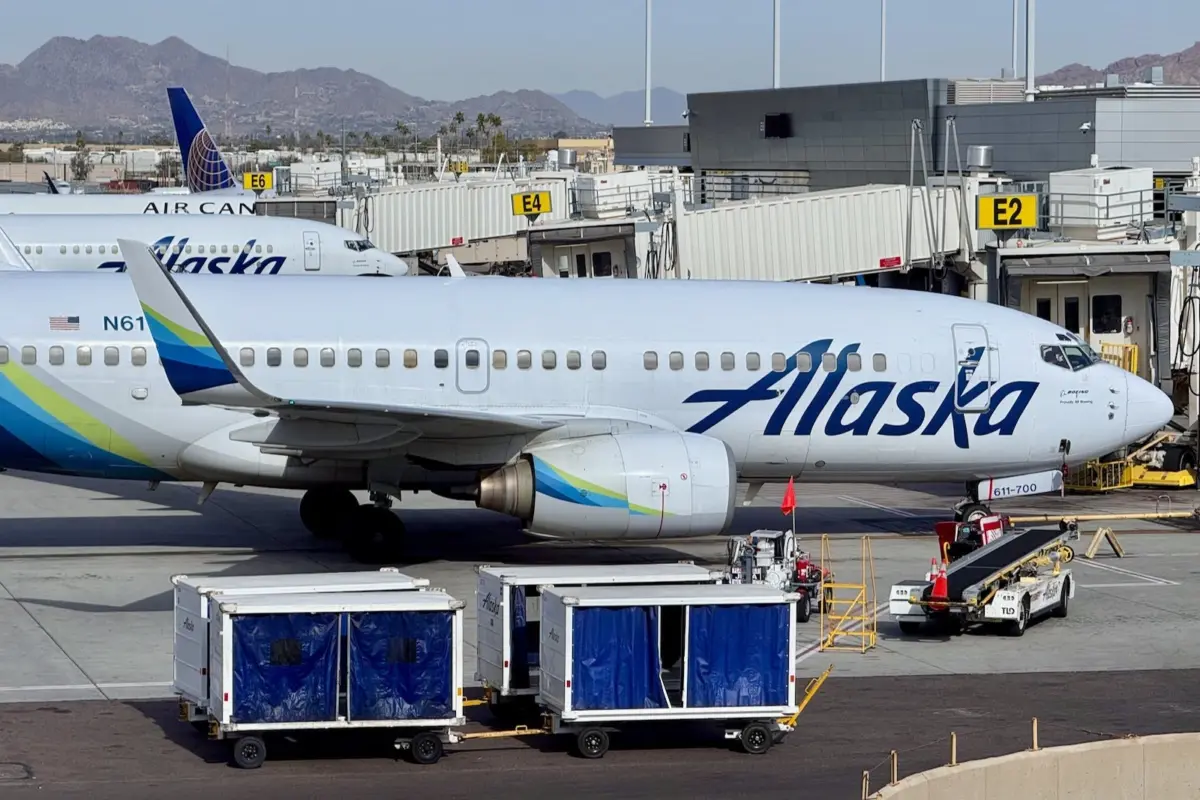
Yet, looking closer at airline partnerships reveals an intriguing overlap. An Admirals Club membership unlocks a valuable secondary perk: complimentary access to Alaska Airlines lounges. This crossover opens up a compelling value proposition for travelers loyal to Alaska Airlines, demonstrating how the card can be effectively maximized without requiring the cardholder to ever step foot on an American Airlines aircraft.
Alaska Airlines Lounge Access and Membership Comparisons
Through the Admirals Club membership bundled with the AAdvantage Executive card, cardholders gain entry to Alaska lounges whenever they hold a same-day boarding pass for a flight operated by American Airlines, Alaska Airlines, or Hawaiian Airlines. This access comes with a few specific conditions: it does not extend to authorized users added to the account, and travelers must present their physical credit card at the lounge entrance to gain admission.

To evaluate the financial logic of this setup, consider standard membership pricing. A standalone standard Alaska Airlines lounge membership costs $595 annually, which is just $100 less than the $695 yearly fee charged by the AAdvantage Executive card. For Alaska flyers who can extract value from the card’s other lifestyle and travel benefits, paying that $100 difference can easily pencil out.
Furthermore, regardless of whether a traveler is flying on American, Alaska, or any other Oneworld alliance partner, they also gain entry into Admirals Club locations at no additional charge. Replicating this broader access through Alaska Airlines requires purchasing an Alaska+ lounge membership, which costs $795 per year—$100 more than the annual fee of the AAdvantage Executive card.
While an Alaska Lounge+ membership includes access to a small handful of third-party locations that the AAdvantage Executive card leaves out, such as three United Club lounges, the vast majority of partner lounges overlap significantly between the two options. Both an Alaska Lounge+ membership and the AAdvantage Executive card grant entry to locations like The Qantas Club and standard Admirals Clubs, making the higher price tag of the Alaska-specific tier harder to justify for a minor difference in lounge network breadth.
Booking Alaska Airlines Flights with American Airlines Miles
The AAdvantage Executive card earns American Airlines AAdvantage miles on everyday spending and welcome bonuses. While earning currency for a rival carrier might initially strike an Alaska loyalist as counterproductive, the Oneworld alliance alliance structure actually turns this feature into a major advantage.
American Airlines miles can be redeemed directly for award flights operated by Alaska Airlines. This means a cardholder can generate substantial value from the card without ever boarding an American Airlines flight, though travelers also have the option of booking itineraries that seamlessly blend flights from both carriers.

For domestic travelers, award availability is frequently robust, particularly on short-haul routes. Industry observers have noted nonstop economy itineraries on Alaska-operated flights bookable through American Airlines, such as a route from Spokane International Airport to Portland International Airport priced at 10,000 miles one-way plus $5.60 in taxes and fees. When compared against cash prices for the same main cabin ticket, these redemptions often yield a high return per mile, routinely outperforming standard baseline valuations for AAdvantage miles. While partner award availability fluctuates depending on the season and route, the flexibility to tap into partner networks expands the utility of the miles earned through the card.
Earning these miles is bolstered by promotional offers and everyday category spending. The card features a limited-time welcome bonus of 125,000 bonus miles after meeting a $15,000 spending threshold within the first five months of account opening. Beyond the initial bonus, cardholders earn 12 miles per dollar spent on eligible hotel stays booked through aadvantagehotels.com and car rentals through aadvantagecars.com. Purchases made directly with American Airlines yield 4 miles per dollar, while all other everyday purchases earn 1 mile per dollar. For high-spending cardholders who clear $150,000 or more in annual purchases, the earning rate on American Airlines purchases increases to 5 miles per dollar through the end of the calendar year.
Additional AAdvantage Executive Benefits for Alaska Flyers
Even though the AAdvantage Executive card carries strong American Airlines branding, it incorporates several ancillary perks that function entirely independently of flight bookings, making them useful for travelers who primarily fly with other airlines like Alaska.
Frequent renters of vehicles can take advantage of the card’s rental car statement credits. Cardholders can receive up to $120 back annually on eligible prepaid rentals booked online through Avis or Budget. Maximizing this specific benefit goes a long way toward offsetting the $100 price gap between a base Alaska lounge membership and the AAdvantage Executive card. Additionally, cardholders receive complimentary Avis President’s Club status.
For ground transportation, the card offers up to $180 annually in Lyft credits, distributed as up to $15 per month for members who complete three eligible rides during that monthly cycle. While lifestyle-dependent, this credit offers tangible savings for urban travelers and frequent flyers who rely on rideshare services to reach the airport.

Other practical travel perks include an application fee credit for TSA PreCheck or Global Entry, which can be applied toward a friend or family member’s application if the cardholder already holds active enrollment. Furthermore, the card includes a suite of travel protections that apply regardless of whether the underlying flight is booked with American Airlines. Protections such as trip cancellation and interruption insurance, lost baggage coverage, and trip delay reimbursement provide a safety net for itineraries booked on Alaska Airlines or other carriers.
Ultimately, the Citi / AAdvantage Executive card presents a compelling financial product for travelers who prioritize lounge access and flexible redemption options, even if their airline loyalty lies primarily with Alaska Airlines. By weighing the overlap in lounge networks, the ability to book partner awards, and the value of secondary statement credits against the $695 annual fee, flyers can determine whether this premium card aligns with their travel habits.