The United States passport is preparing for a major transformation, bringing long-awaited modernization to both the application process and the physical document itself. Announced by the administration and detailed in initial reports, the sweeping updates are designed to leverage modern digital infrastructure while celebrating American history through a completely redesigned aesthetic.
For millions of American travelers, the upcoming changes promise to significantly streamline how documentation is requested, processed, and tracked, while introducing an artistic redesign that incorporates advanced security features and historical milestones. While current passports will remain fully valid until their printed expiration dates, the shifting landscape of federal travel documentation marks one of the most substantial updates to the U.S. passport system in recent history.
A New Application Process and Distinctive Aesthetic Design
Perhaps the most impactful shift for prospective international travelers is the introduction of a modernized online application process for first-time applicants. Historically, obtaining an initial U.S. passport required an arduous in-person visit to an authorized acceptance facility, such as a post office, clerk of court, or designated library. While online renewals have gradually been rolled out for eligible adult travelers in recent years, first-time applicants have always faced strict in-person verification requirements.
This dynamic is shifting with the integration of the process into America.gov, a new artificial intelligence-powered government services platform that officially launched on Tuesday. Through this centralized digital ecosystem, first-time applicants will soon be able to complete their initial passport applications entirely online.
The digital platform is engineered to remove traditional friction points by pre-populating standard applicant information already securely held on government databases. Furthermore, the system will allow users to capture and upload their passport photos directly from personal devices, bypassing the need for separate third-party photo appointments and associated vendor fees. Digital payment processing will be fully integrated into the platform, accompanied by a real-time tracking dashboard. This feature will give applicants continuous visibility into the status of their paperwork, removing the uncertainty of waiting for documents to arrive in the mail.
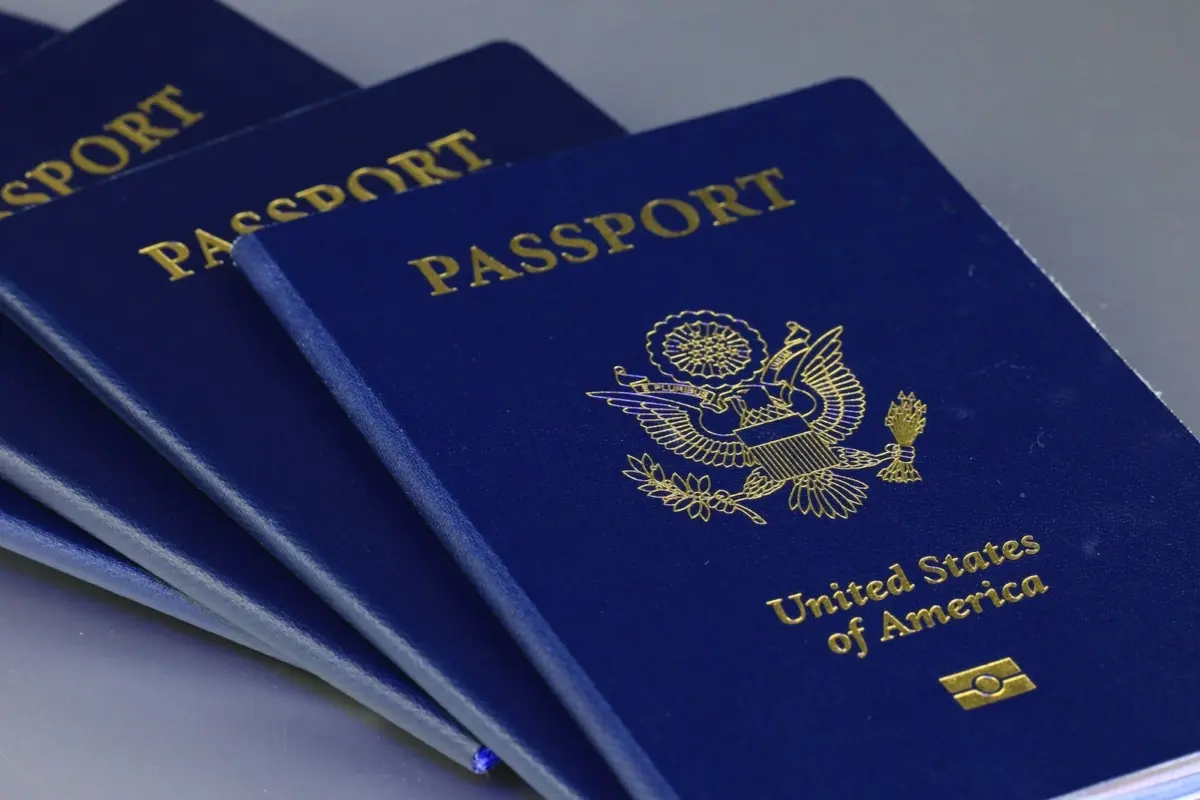
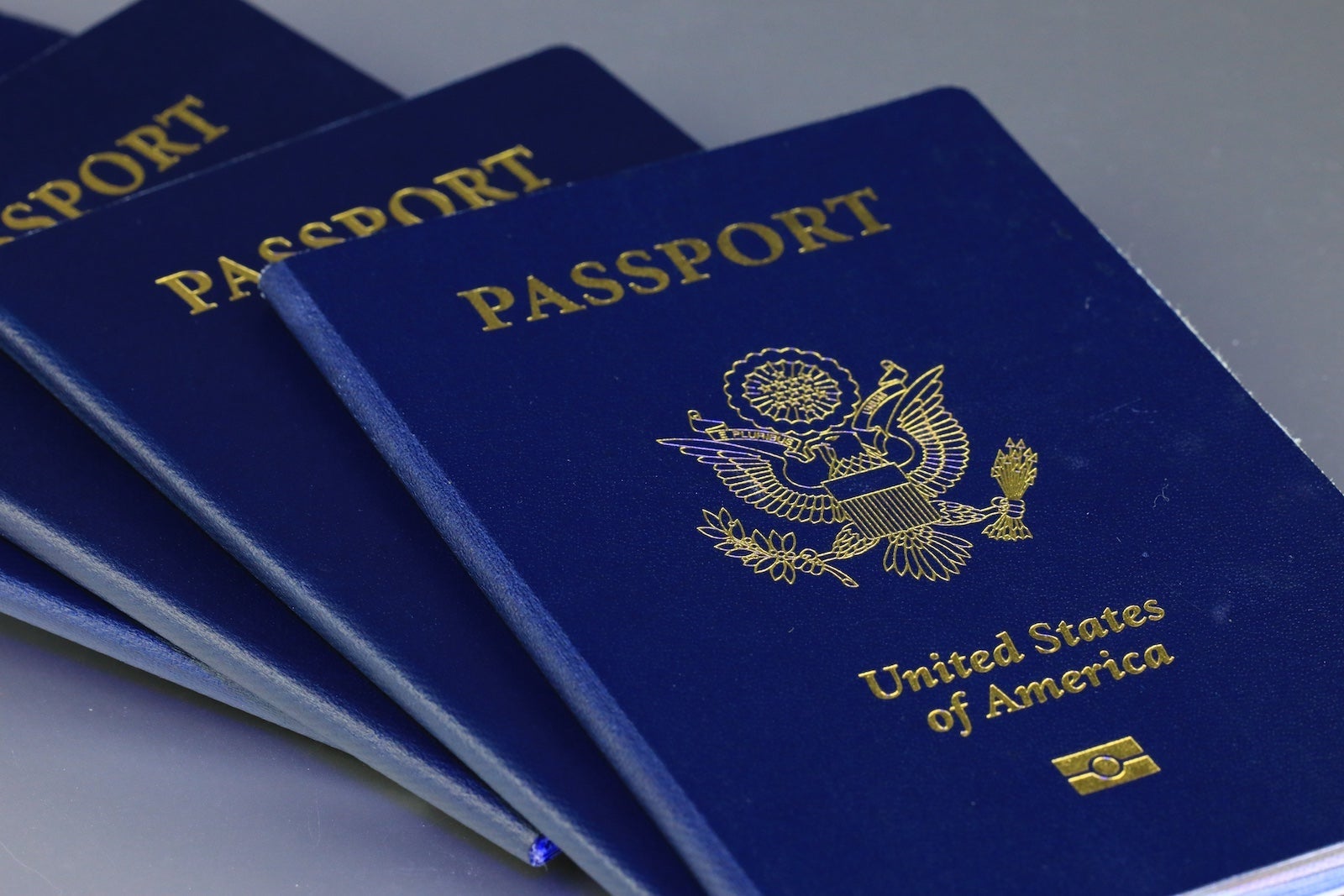
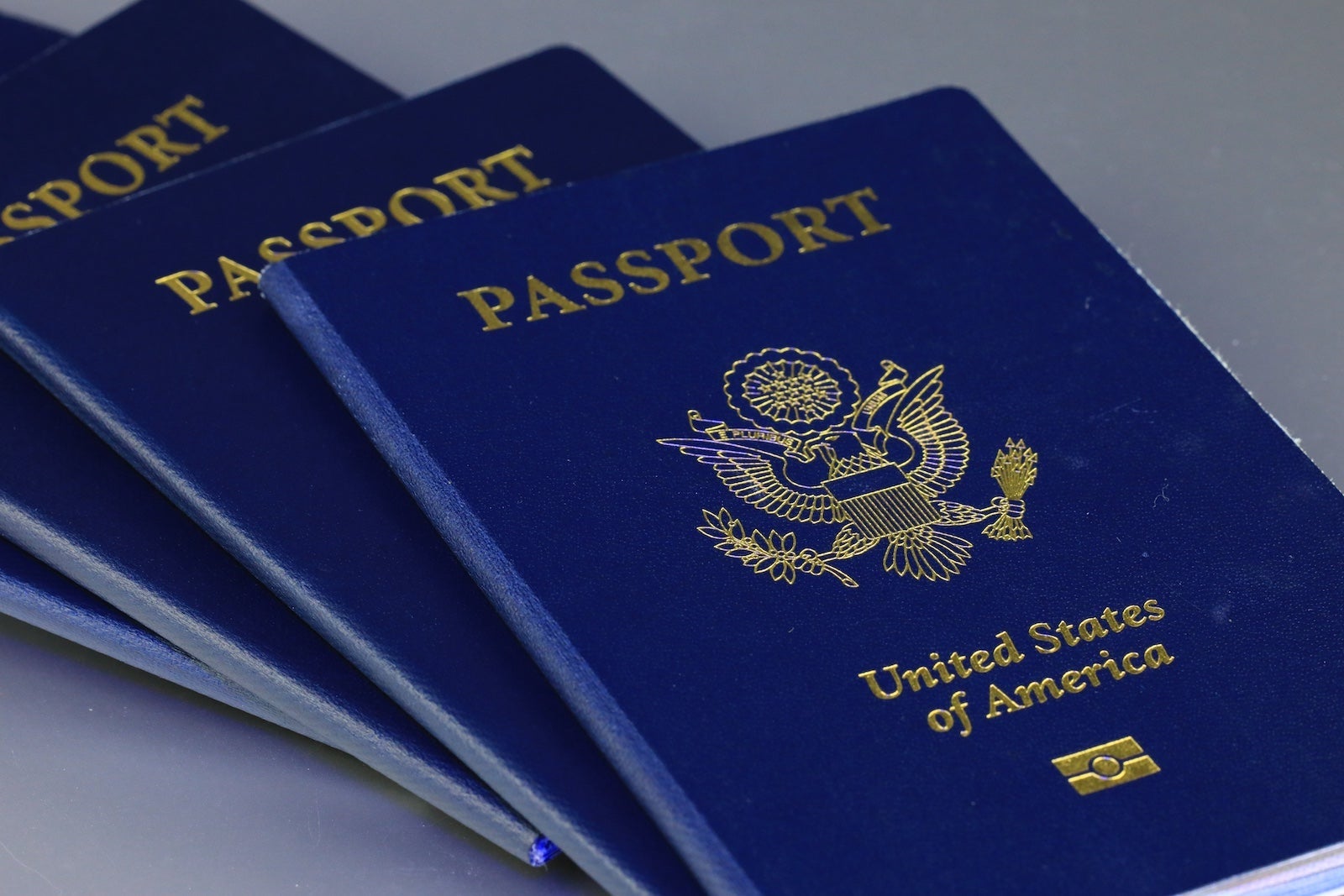
Beyond the digital portal, the physical passport book itself is slated for a striking visual overhaul beginning in 2028. The exterior will feature a more prominent rendition of the Great Seal of the United States—the official emblem centered around the American bald eagle—alongside enlarged "United States of America" lettering, both rendered in a distinctive gold finish.
Inside the document, the visa and endorsement pages will undergo a thematic redesign highlighting major chapters in American history. Pages will showcase pivotal moments ranging from the American Revolution to NASA’s contemporary Artemis missions, intertwining national heritage with travel documentation. Additionally, the interior will incorporate a dynamic flipbook-style design featuring an eagle in flight, which creates a continuous animation effect as the pages are rapidly turned.
What These Changes Mean for International Travelers
As federal agencies prepare to roll out these technological and physical updates, current passport holders do not need to take immediate action. Travelers with unexpired passports may continue using their existing documents without interruption for international journeys right up until the official expiration date printed inside the cover.
When the time eventually arrives to renew, travelers who process their paperwork after the implementation of the new system will benefit directly from the streamlined digital architecture. Eliminating the necessity of scheduling dedicated in-person photo sessions and paper mailing logistics is expected to reduce overall processing bottlenecks and administrative burdens for both citizens and the government agencies handling the volume.

The rollout timeline spans the coming years to ensure a seamless transition. The broader online application platform is scheduled to become fully operational by the end of 2027, laying the digital groundwork before the physically redesigned passport books enter circulation in 2028.