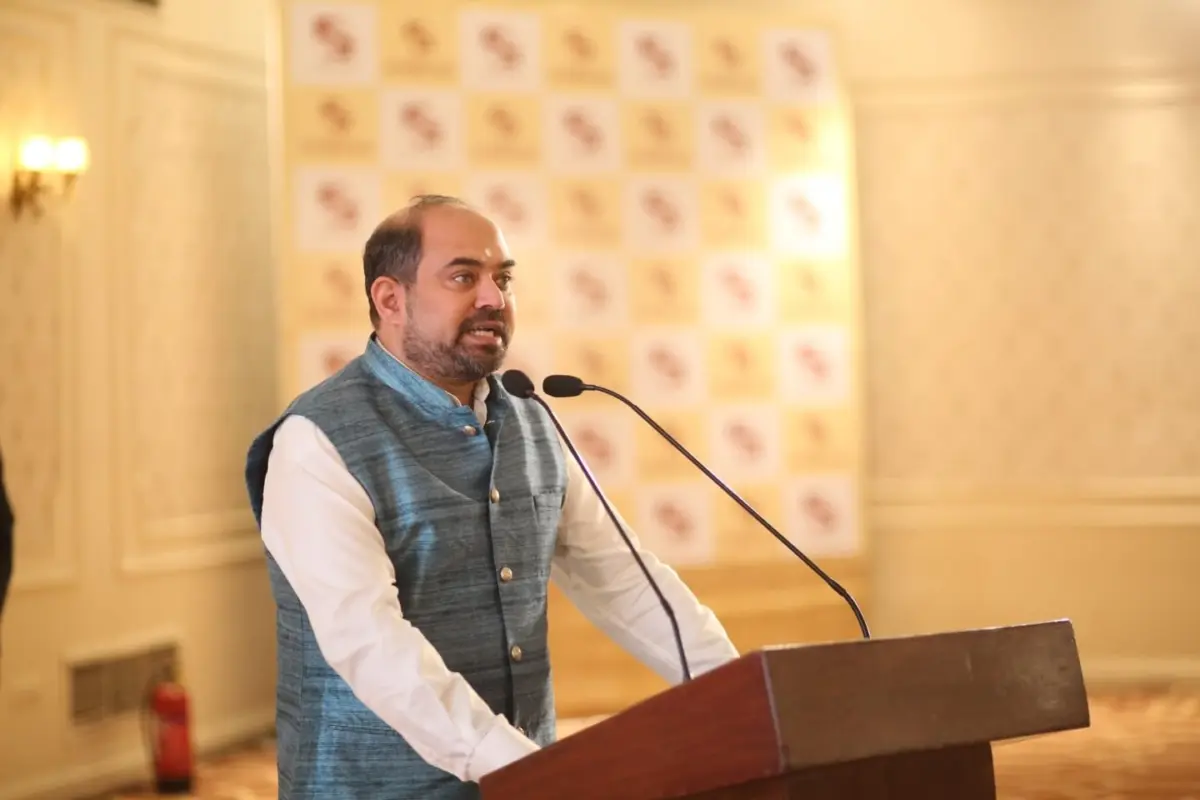
NEW DELHI — In an era defined by rapid technological disruption and shifting geopolitical landscapes, higher education institutions must look far beyond traditional curricula to shape responsible, tech-ready, and globally minded graduates. This was the central message delivered by Dr. Ramakrishnan Raman, Vice Chancellor of Symbiosis International (Deemed University), during his keynote address at the prestigious Symbiosis International Annual Dinner held in the national capital.
Addressing an esteemed gathering of diplomats, academics, industry leaders, and international dignitaries, Dr. Raman underscored the vital role that universities play in navigating an increasingly complex world. As artificial intelligence, automation, and advanced data systems fundamentally transform global economies, workplaces, and the very nature of how knowledge is created and shared, the mandate for higher education is undergoing a radical shift. The challenge facing modern universities, according to Dr. Raman, is no longer simply to prepare students for existing career paths, but to equip them for a dynamic future in which many professional roles are yet to emerge.
Welcoming the international delegates and guests to the annual gathering, Dr. Raman emphasized that amidst rapid technological and economic transformation, the enduring pillars of diplomacy, mutual understanding, and international cooperation remain more critical than ever. He described the multifaceted transformations currently underway across global societies not as a threat, but as a profound opportunity for universities to strengthen international connections, foster grassroots innovation, and prepare young people for an interconnected future where cross-cultural competence is paramount.
Elaborating on the shifting paradigm of modern schooling and professional preparation, Dr. Raman captured the essence of the challenge with a poignant observation. "Education today is not merely about preparing students for jobs that exist; it is about preparing them for careers that may not yet exist," he noted, highlighting the absolute necessity of cultivating adaptable skills, critical thinking, and a lifelong commitment to learning among university students.
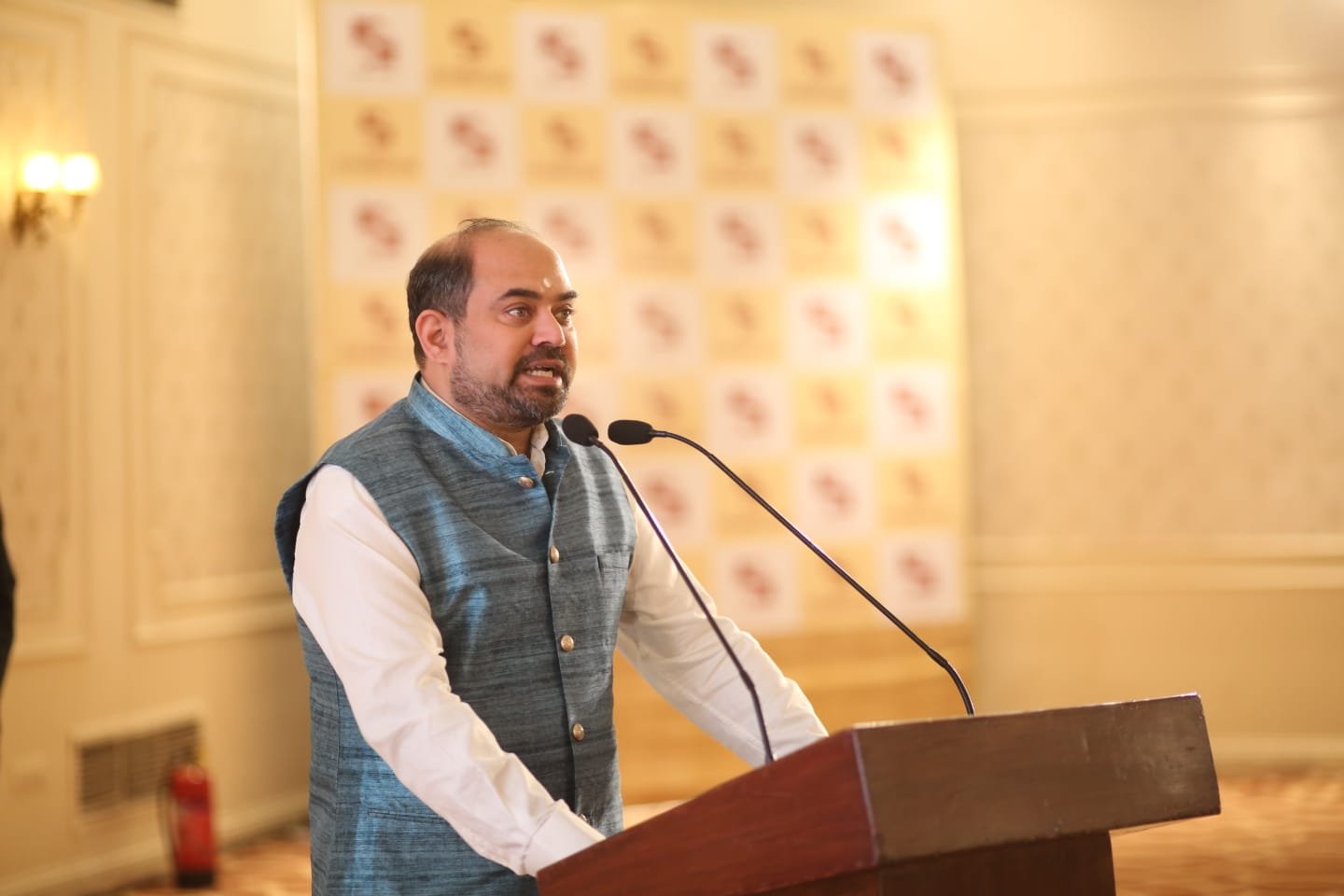
At Symbiosis International, this forward-looking vision translates into a deliberate strategy of integrating artificial intelligence and emerging technologies deeply into teaching pedagogies, research initiatives, and robust industry engagements. However, Dr. Raman was careful to stress that true technological adoption must extend far beyond the superficial introduction of new digital tools, software, or devices into traditional classrooms. Instead, modern education must go deeper. Students must be trained to think critically, solve multifaceted problems, interpret complex data sets, and critically evaluate the profound ethical implications that accompany technological advancement.
To achieve this level of preparedness, the university leader argued that digital capabilities must be systematically developed across a diverse array of academic disciplines, rather than being siloed in technical departments. This includes management, law, healthcare, and the humanities. As artificial intelligence increasingly permeates and influences professional practice across every conceivable sector, technological literacy must evolve into a shared educational priority rather than remaining the exclusive preserve of specialised technical or engineering courses.
Furthermore, Dr. Raman used the international platform to reiterate the indispensable importance of cross-border collaboration in addressing the grand challenges of the twenty-first century. He asserted that universities, national governments, and private industry must work in tandem through collaborative mechanisms such as joint research projects, faculty exchange programs, student mobility initiatives, and comprehensive skills development frameworks. By pooling resources and insights, institutions can draw effectively upon each country’s distinct strengths, cultural perspectives, and technological expertise.
Concluding his address at the Symbiosis International Annual Dinner, Dr. Raman issued a compelling call to action for a future in which rapid technological progress serves a higher purpose. He urged educators and policymakers alike to ensure that innovation contributes not only to narrow economic productivity and corporate growth, but actively fosters more inclusive, resilient, and prosperous societies for generations to come.