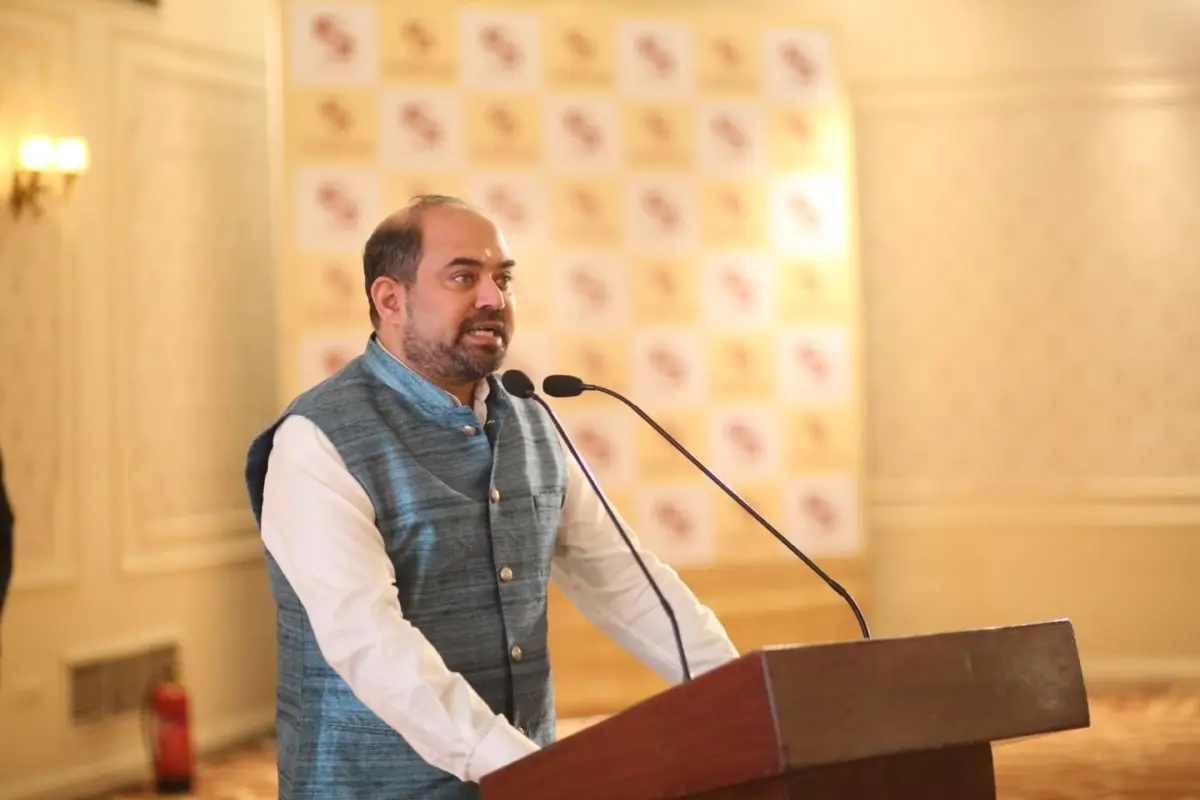
At the prestigious Symbiosis International Annual Dinner held in New Delhi, Dr Ramakrishnan Raman, Vice Chancellor of Symbiosis International (Deemed University), delivered a compelling address highlighting the evolving and critical role universities play in shaping responsible, technology-ready, and globally minded graduates. Against the backdrop of rapid global changes, the gathering brought together diplomats, academics, and industry leaders to discuss the future of higher education and international cooperation.
Dr Raman opened his remarks by addressing the profound transformations sweeping across modern economies and workplaces. He noted that artificial intelligence and other emerging technologies are fundamentally altering not only how businesses operate and how professionals execute their daily responsibilities, but also the very ways in which human knowledge is created, validated, and shared. For higher education institutions, these shifts present an unprecedented challenge. The traditional academic mandate is no longer simply to prepare students for existing, well-defined career paths. Instead, universities face the far more complex task of equipping young learners for a future world in which many of the professional roles they will eventually occupy are yet to emerge.
Welcoming the international gathering of dignitaries and scholars, Dr Raman also emphasized the enduring importance of diplomacy, mutual understanding, and cross-border cooperation. In an era experiencing simultaneous technological disruption and economic realignment, he argued that human connection and collaborative dialogue remain essential pillars for stability and progress. He described the multifaceted transformation currently underway across the global landscape as an invaluable opportunity for universities. According to Dr Raman, institutions of higher learning can leverage this moment of change to strengthen international connections, foster a culture of innovation, and prepare young people to thrive in an increasingly interconnected global society.
Elaborating on the philosophy of modern education, Dr Raman underscored that today’s learning environments must look far beyond immediate employment outcomes. Education today is not merely about preparing students for jobs that currently exist on corporate boards or government registries; rather, it is about preparing them for careers that may not yet exist. This perspective necessitates a fundamental shift in instructional design, placing a premium on adaptable skills, intellectual flexibility, and a commitment to lifelong learning that extends well beyond university graduation.
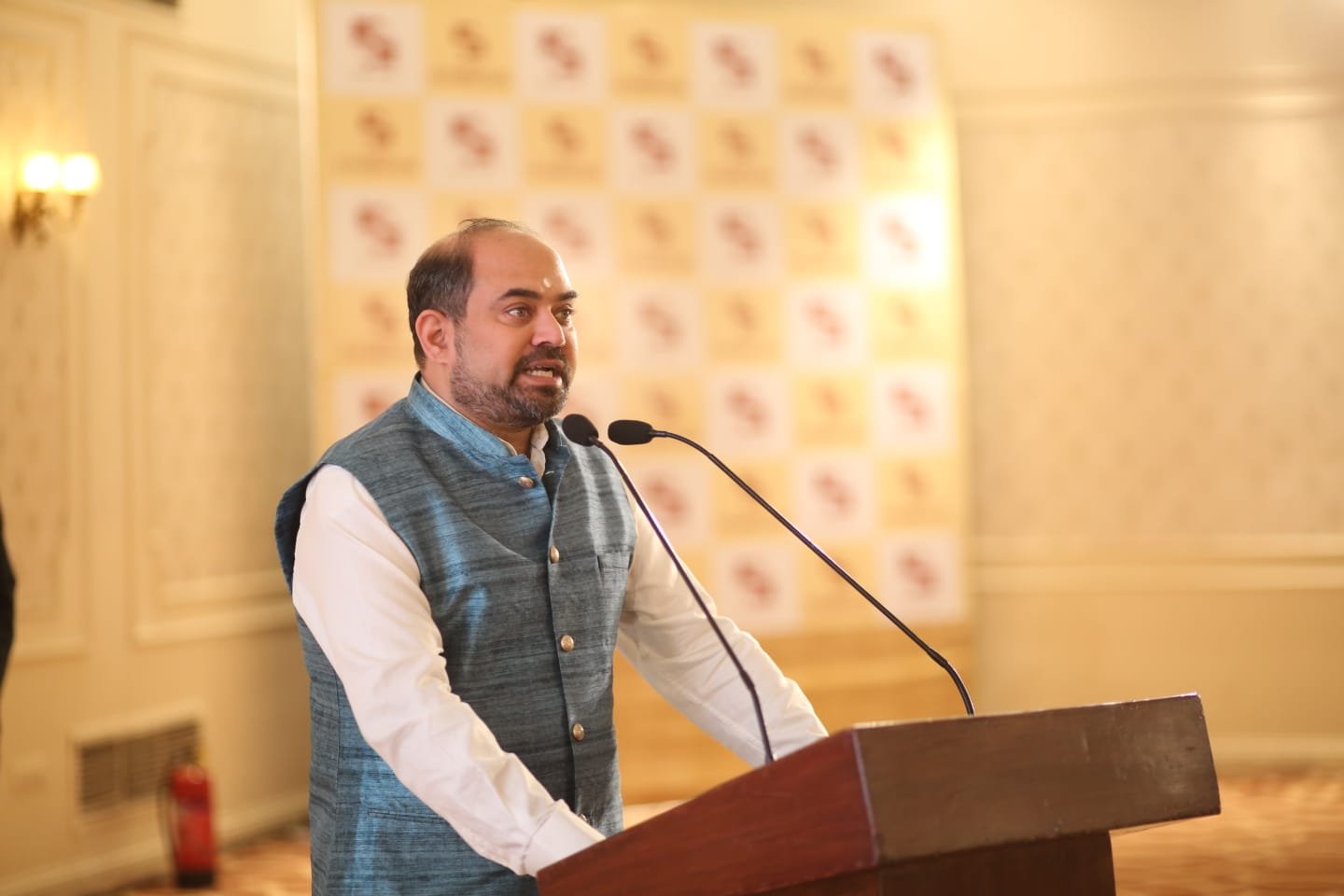
At Symbiosis, this forward-looking vision translates into the deliberate integration of artificial intelligence and other emerging technologies into core teaching methodologies, academic research agendas, and industry engagement initiatives. However, Dr Raman was careful to stress that true technological adoption must extend far beyond the superficial introduction of new digital tools into traditional classrooms. It is not enough to simply digitize old workflows or provide students with access to advanced software. Instead, the educational experience must be designed so that students learn to think critically, solve complex problems, interpret vast amounts of data accurately, and deeply understand the ethical implications of the technologies they use.
This holistic approach requires that digital capabilities and technological literacy are systematically developed across a wide variety of disciplines, rather than being siloed within technical programs. Dr Raman pointed out that fields as diverse as management, law, healthcare, and the humanities must embrace this transition. As artificial intelligence and automation increasingly influence professional practice across every sector, technological literacy must become a shared educational priority. It should no longer be treated as the exclusive preserve of specialised technical courses or computer science departments, but as a foundational competency for all modern professionals.
In addition to curricular evolution, Dr Raman underlined the vital importance of international collaboration in achieving these educational goals. He noted that universities, national governments, and industry leaders cannot navigate these uncharted waters in isolation. By working together through joint research initiatives, faculty exchange programs, student mobility schemes, and collaborative skills development projects, educational institutions can draw upon each country’s distinct strengths and unique areas of expertise. Such partnerships enhance the quality of education and ensure that graduates possess a truly global perspective.
Concluding his address at the New Delhi gathering, Dr Raman called for a shared commitment to a future in which rapid technological progress contributes not only to narrow economic productivity and corporate growth, but also to the creation of more inclusive, resilient, and prosperous societies for all.