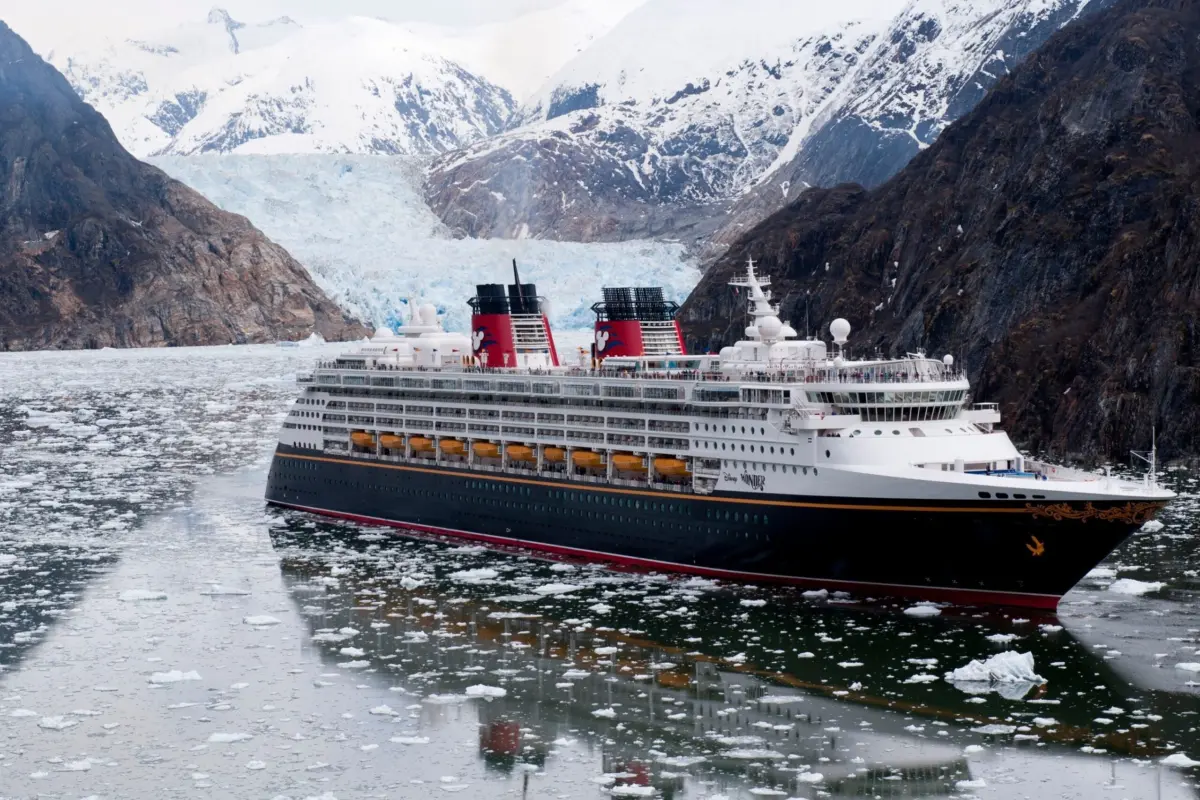
For many travelers, an Alaska cruise sits squarely at the top of the bucket-list category, representing the ultimate voyage into untamed wilderness, towering glaciers, and pristine coastal waters. However, travel experts warn that even minor planning and packing missteps can significantly impact the overall experience, turning what should be a dream vacation into a logistical headache. Unlike a routine getaway to the Caribbean or Mexico, an Alaska voyage requires a higher level of preparation, from selecting the right ship and itinerary to understanding complex international entry requirements and packing for unpredictable weather.
Travelers typically harbor distinct visions of their ideal Alaska vacation, whether they are drawn by the promise of abundant wildlife, majestic calving glaciers, world-class salmon fishing, or simply the crisp, clean mountain air. Realizing that specific vision demands careful coordination well before setting foot on the ship. While the journey does not quite demand polar expedition-level survival skills, it is noticeably more complicated than southern warm-weather cruises. Understanding the common pitfalls associated with planning, packing, and onboard life can pave the way for a much smoother and more memorable journey.
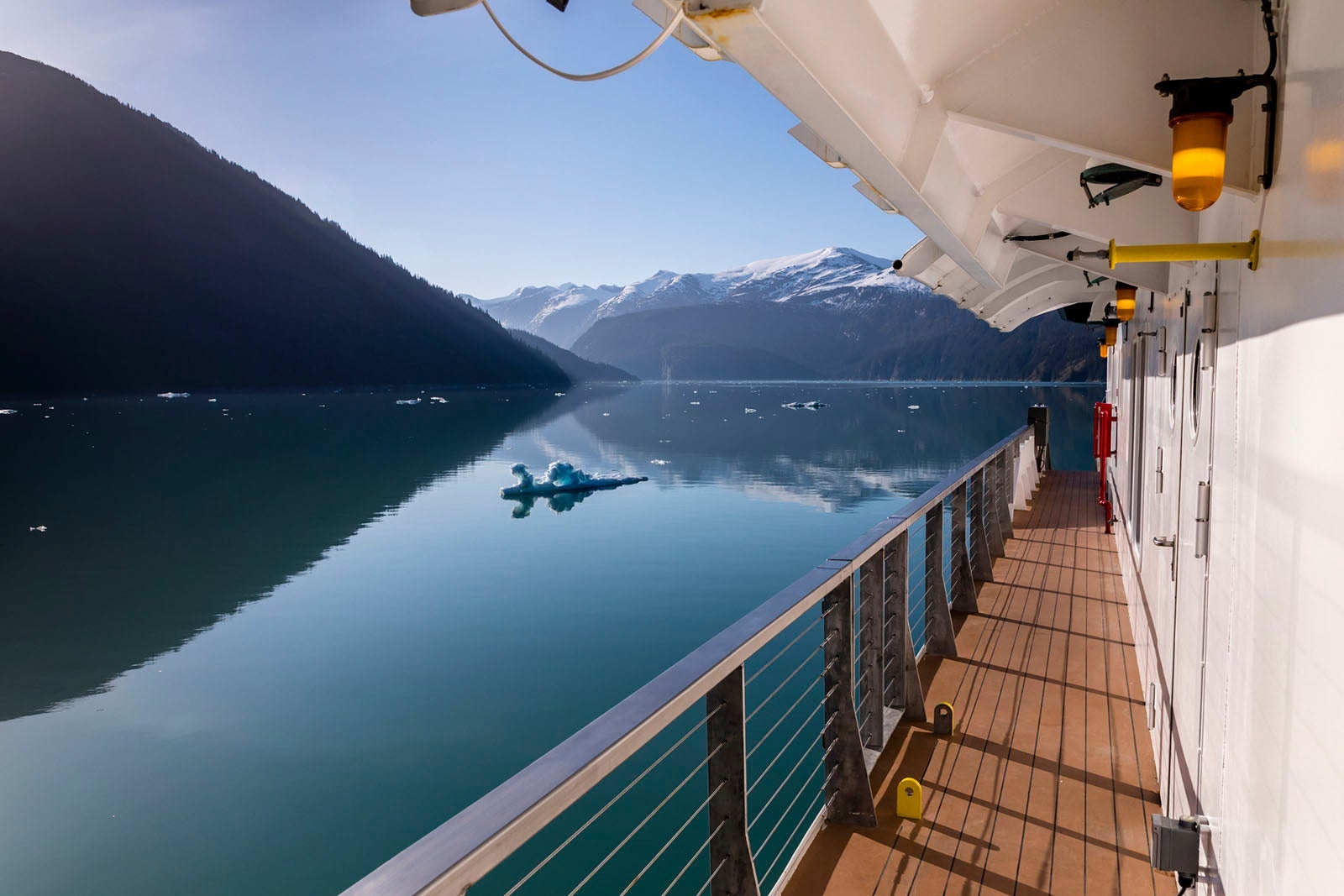
Cruisers frequently make the mistake of assuming that all Alaska itineraries are essentially identical. Matching a ship and its specific route to individual expectations and travel styles remains crucial for a successful trip. Travelers seeking dedicated, extended time viewing glaciers often find success on midseason sailings that visit Glacier Bay National Park and Preserve, noting that early- and late-season cruises may face restricted access due to lingering ice floes. Similarly, those hoping to witness peak whale migration gravitate toward round-trip June sailings, while avid anglers targeting the height of the salmon fishing season typically book between mid-June and mid-August, keeping a close eye on itineraries to ensure stops in premier fishing destinations like Ketchikan.
Family dynamics also dictate ship selection, as larger vessels offer extensive onboard children’s programming, whereas expedition-style ships cater better to independent teens and travelers seeking intimate, up-close wildlife encounters via kayaks and Zodiac boats launched directly from the vessel. Beyond itinerary selection, seasoned cruisers understand that routes can change unexpectedly, often mid-voyage. While a skipped private island in the Caribbean merely translates to an extra sea day, a rerouted glacier viewing in Alaska can mean missing out on the primary motivation for the trip. Geological instability, shifting ice floes, and adverse weather conditions routinely force cruise lines to alter paths, such as the full-season rerouting from Tracy Arm Fjord to Endicott Arm Fjord caused by rockslides. Mitigating this risk involves selecting midseason sailings with multiple glacier-viewing days or supplementing the trip with independent tour boat excursions.
International entry requirements present another major hurdle for unsuspecting passengers. Because nearly all standard cruise ships dock in Canada as a legal requirement of voyaging in the region, strict rules apply to every passenger at boarding, regardless of whether they intend to disembark. While closed-loop, round-trip voyages originating and ending in the same U.S. port offer more lenient documentation options—allowing passport cards, enhanced IDs, or birth certificates combined with government-issued IDs—one-way cruises, land-tour add-ons, and air travel between Alaska and Canada strictly require a valid passport book. Furthermore, non-U.S. citizens must navigate individual visa requirements, and passengers with criminal records should note that Canada maintains strict entry restrictions for individuals with felony convictions, even tourists.

Logistical oversight frequently extends to shore excursions and flight arrangements. Unlike destinations where tours can be booked spontaneously upon arrival, Alaska shore excursions fill up rapidly, making advance booking essential even during shoulder seasons. Relying solely on ship-sponsored excursions is not mandatory; independent operators frequently offer competitive alternatives, such as kayaking tours in Ketchikan, provided travelers allow an adequate time buffer to ensure a guaranteed, on-time return to the ship. Additionally, travel experts strongly advise against booking same-day flights on embarkation day or early morning departures on disembarkation day, recommending instead that travelers arrive a day early and schedule afternoon flights home to absorb potential transit delays or port clearance procedures.
Financial budgeting often catches travelers off guard due to the unexpectedly high cost of port fees, specialized excursions, multi-city airfares, and surging midsummer hotel rates in gateway cities like Anchorage, Seattle, and Vancouver. Opting for shoulder-season sailings in early May or late September can significantly reduce these logistical expenses while offering milder weather, smaller crowds, and minimal mosquito activity. Furthermore, travel insurance remains a vital safeguard against unforeseen medical emergencies or trip interruptions, particularly given the adventurous nature of regional activities like glacier hiking, helicopter tours, and kayaking, as well as the potential for remote medical evacuations.
Packing for the region presents its own distinct challenges due to wildly fluctuating weather conditions that can shift from a rainy 50 degrees to a sunny 85 degrees within hours. Seasoned travelers emphasize the golden rule of packing waterproof outerwear, sturdy rain boots, and versatile layers—ranging from moisture-wicking base layers to lightweight puffy vests and wind-resistant jackets. Formal eveningwear is largely unnecessary on Alaska cruises, as the long, outdoor-focused days inspire a more relaxed dress code. Instead, comfortable footwear and casual attire layered with jackets and scarves suffice for dinner. Essential gear also includes high-grade insect repellent to combat aggressive mosquitoes, lightweight binoculars for spotting distant wildlife and glaciers, and water-resistant camera equipment.

Once onboard, travelers are encouraged to disconnect from digital distractions to fully immerse themselves in the surrounding landscape. While seasickness can occasionally strike due to choppy open ocean waters in the Pacific or tight ship maneuvering in narrow fjords, a variety of preventative remedies—ranging from wrist pressure bands and scopolamine patches to ginger ale and green apples—can help manage motion discomfort. Ultimately, stepping outside onto the open decks despite the cold, resisting the urge to sleep through the extended daylight hours, and embracing novel experiences like viewing calving glaciers or tasting local cuisine ensure that the journey fulfills its bucket-list promise.