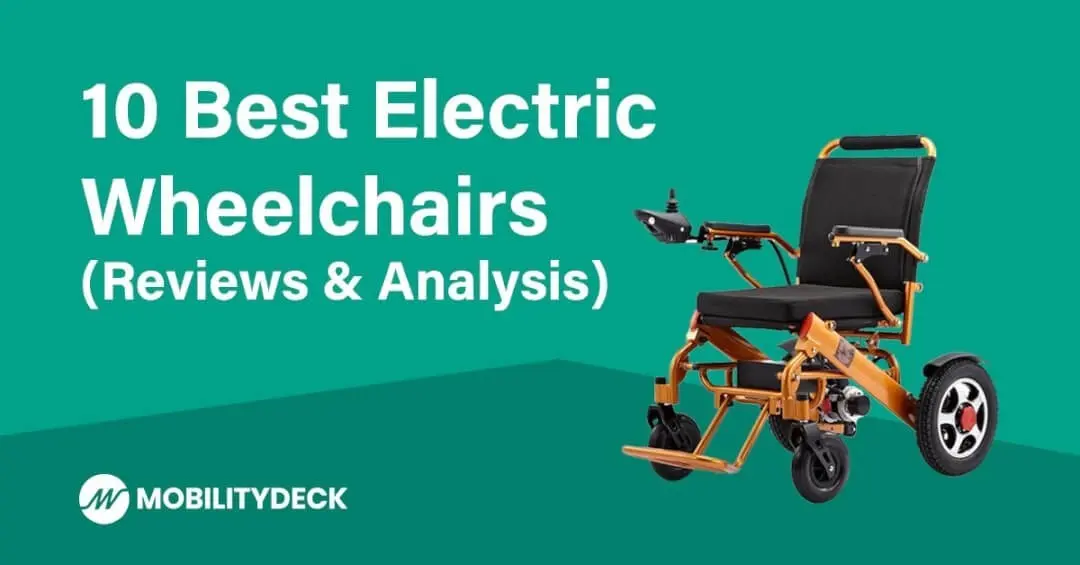
Choosing an electric wheelchair represents a significant milestone for individuals seeking increased mobility and newfound independence. In recent years, the market for power chairs has experienced substantial growth, offering hundreds of options spanning various price points. While this vast selection ensures that a suitable power chair exists for virtually every user, it simultaneously complicates the search process. To help consumers navigate these choices, industry experts have reviewed dozens of models, comparing attributes across lightweight designs, heavy-duty frames, options for seniors, and foldable travel chairs to identify the standout performers.
The current market features several top-rated electric wheelchairs tailored to different lifestyle needs. Among the leading models, the EZ Lite Cruiser Deluxe DX12 has emerged as the top overall pick, earning a 4.4 out of 5-star rating for its balanced combination of quality, mid-range pricing, tight mobility, and lightweight, foldable frame. Following closely as the runner-up is the Porto Mobility Ranger D09, which achieved a perfect 5-star rating from reviewers for its comfort and all-surface handling, despite a slightly steeper learning curve for its joystick controls. For travelers, the Forcemech Voyager R2 stands out as the premier choice, weighing in at just 43 pounds without its battery and offering exceptional portability for air and cruise travel. Meanwhile, users requiring robust support often turn to the Sentire Med Forza D09 Deluxe, designated as the best heavy-duty option with a 4.7-star rating and a high weight capacity. Finally, the Drive Medical Cirrus Plus provides a reliable, budget-friendly alternative for those seeking full-featured mobility without an excessive price tag.
Understanding who benefits most from these devices is a crucial first step. Generally, electric wheelchairs are designed for individuals who lack the upper body strength required to manually propel a standard wheelchair. However, these guidelines are flexible; many power chair users maintain the ability to use a manual chair indoors while relying on motorized assistance for outdoor excursions and travel. Experts often recommend visiting a physical store to test-drive models before committing to a purchase, as personal preference heavily dictates comfort and independence. For those who enjoy exploring the outdoors and taking vacations, a reliable electric wheelchair with long-lasting battery power can transform the experience of navigating a new city without physical exhaustion. Nevertheless, because these purchases represent a substantial investment, buyers must carefully evaluate several critical factors before making a final decision.
Indoor mobility remains a primary consideration for home users. Evaluating a chair requires looking closely at its turning radius, a metric provided by most manufacturers but best verified through independent user reviews. Seat height and width are equally vital; users typically prefer a chair that aligns with the height of their bed and easily traverses the hallways of their home. Additionally, buyers must consider how they will get in and out of the chair. Individuals with limited mobility may require specialized features such as swiveling legs, rotating armrests, or compatibility with a patient hoist.
Outdoor performance introduces a separate set of requirements. Power chairs intended for daily outdoor use must handle varied terrains, as not all models navigate grass, gravel, or uneven pavement effectively. For frequent travelers, a compact, lightweight design that folds and unfolds effortlessly is paramount. Cushioning and comfort also demand careful attention given the extensive hours users spend seated. Manufacturers offer various materials, including contoured foam and air foam, alongside different seating styles such as captain’s seats, solid pans, and rehab configurations.
Battery power and motor capabilities directly influence the operational range and performance of an electric wheelchair. While some models feature dual batteries capable of lasting for weeks or extensive mileage on a single charge, heavier batteries inevitably add weight to the chair’s overall frame. Similarly, motor power dictates how well a chair handles inclines and rough surfaces. While standard motors comfortably maintain a slow jogging pace on flat ground, more robust motors are necessary for daily obstacles, though they tend to drain batteries more quickly. Maximum weight capacity is another critical threshold, with standard models generally supporting at least 240 pounds, while heavy-duty alternatives accommodate significantly higher loads. Finally, buyers often consider potential modifications, accessory compatibility, and overall aesthetic style to ensure long-term satisfaction with their daily-use machine.
Financial and technical questions frequently arise for prospective buyers. Regarding insurance coverage, health insurance providers and Medicare often cover electric wheelchairs when deemed medically necessary, though specific policy rules and approved models vary widely. Consumers are generally advised to contact their insurance providers directly to determine eligibility and coverage specifications. In terms of operational range, a fully charged electric wheelchair battery typically lasts for at least eight hours, providing a travel distance of 12 miles or more, depending on battery health, model specifications, and user weight.
Cost is another major factor in the decision-making process. Unmodified electric wheelchairs typically range between $2,000 and $3,000, though entry-level models can be found for around $1,000, and highly specialized, custom medical units can reach up to $12,000. The high cost of these devices is largely attributed to the extensive research, design, and manufacturing standards required to produce reliable mobility equipment. Sizing is equally individualized, with standard seat widths ranging from 16 to 20 inches, alongside wider specialty models.
A closer examination of the top-rated models highlights why specific chairs earn industry recognition. The EZ Lite Cruiser Deluxe DX12 stands out for its mid-range price, robust feature set, and manageable 58-pound frame, which increases to 64 pounds with the battery installed. Large rubber wheels and a well-built suspension system provide stability across diverse terrains, while its modular design supports various accessories and a weight capacity of up to 305 pounds. The Porto Mobility Ranger D09 offers similar folding convenience and reliable US-based customer support, though its cushion design and joystick sensitivity require a brief adjustment period.
For travel enthusiasts, the Forcemech Voyager R2 prioritizes ultra-portability, weighing a mere 43 pounds without batteries and featuring rotating armrests for easy transfers, though its lower power output limits its performance on rough outdoor surfaces like grass. On the heavy-duty end, the Sentire Med Forza D09 Deluxe delivers exceptional build quality, safely supporting users up to 396 pounds through dual motors and a sturdy suspension setup, despite occasional jumpy controls and solid tires that can mark indoor flooring. Meanwhile, the Drive Medical Cirrus Plus offers a sturdy, powerful ride with a higher top speed of 5.5 mph for a more accessible price point around $1,500.
Several other models offer viable alternatives depending on specialized circumstances. The Horizon Mobility Electric Wheelchair provides an affordable budget choice around $1,000, though its tires can stiffen in cold weather and it lacks a freewheeling mode. The Innuovo Model N5513A serves as an FDA-approved travel option that fits easily into vehicles, though its tires struggle slightly on thick carpet. The Forcemech Navigator XL delivers heavy-duty performance for city environments, while the Golden Technologies Scooter Powered-Wheelchair GP162 offers a nimble, compact build suited for older homes with narrow doorways. Finally, the Pride Mobility Jazzy 600 ES utilizes a six-wheel configuration for enhanced stability and quiet indoor-outdoor operation, though its substantial 240-pound weight places it in a different class of heavy-duty mobility devices.