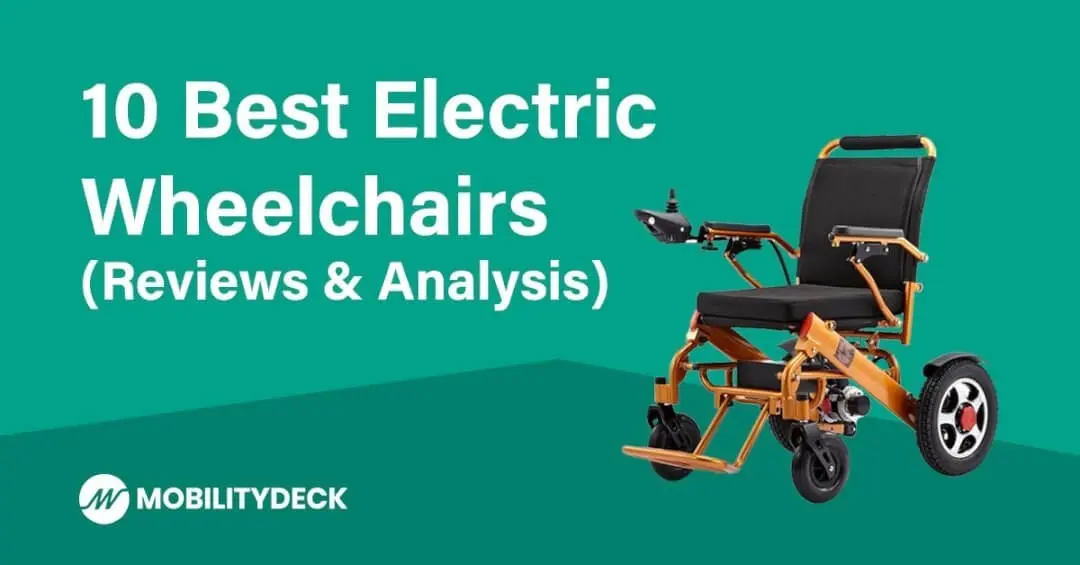
Choosing an electric wheelchair represents a significant milestone for individuals seeking increased mobility and newfound independence. With the market expanding massively over recent years, consumers now face hundreds of options spanning a wide spectrum of budgets. While this vast selection ensures that a tailored power chair exists for virtually every user, it simultaneously complicates the search process.
Industry analysts and consumer reviews have extensively evaluated dozens of electric wheelchairs to identify standout models, offering comprehensive insights into lightweight designs, senior-focused options, heavy-duty frames, and foldable travel power chairs. The diverse array of choices means buyers can find solutions matching their precise lifestyle requirements, whether they prioritize indoor maneuverability, rugged outdoor performance, or seamless portability for travel.
Understanding who benefits most from an electric wheelchair is the foundational step in the purchasing journey. Generally speaking, these devices are engineered for individuals who lack the necessary upper body strength to independently propel a manual wheelchair. However, the boundaries are not rigid. Many power wheelchair users maintain the ability to use a manual chair indoors but rely on motorized assistance to navigate outdoor environments comfortably.
For those contemplating this investment, visiting a specialty store to test-drive various models remains a prudent recommendation. Electric mobility solutions are not universally ideal, and some users ultimately find greater comfort and autonomy with manual alternatives. Conversely, outdoor enthusiasts and frequent travelers often discover that an electric wheelchair transforms their daily experiences. With modern batteries capable of lasting for hours, exploring a new city or embarking on a vacation becomes a viable, fatigue-free endeavor. Nevertheless, maximizing these benefits requires careful pre-purchase evaluation, as selecting a power chair is a substantial investment that demands thorough planning.
When evaluating the market, several critical features dictate the suitability of a power chair for individual circumstances. Indoor mobility stands out as an immediate priority for those intending to use the device primarily at home. Buyers must examine the turning radius of each model, cross-referencing manufacturer specifications with real-world user reviews. Seat height and width are equally vital; users typically prefer a chair that aligns with the height of their bed while remaining narrow enough to traverse household hallways.
Getting in and out of the chair also requires careful thought, particularly for users with limited mobility. Features such as swiveling legs or rotating armrests can significantly ease transfers, while individuals requiring mechanical hoists must verify compatibility with their chosen model. Outdoor mobility introduces additional variables, notably terrain capability. While certain electric wheelchairs excel across varied surfaces, others struggle on grass, gravel, or uneven pathways. Travelers must prioritize lightweight, compact, and easily foldable frames to ensure hassle-free transit.
Cushioning and comfort are paramount given the extensive hours users spend seated. Manufacturers offer diverse upholstery options and backrest materials, alongside specialized seat configurations including captain’s chairs, solid pan designs, and rehab-style seating. Personal preference heavily dictates the choice between contoured foam and air-foam cushioning. Battery power and life represent another crucial consideration, balancing runtime against the additional weight that larger batteries introduce to the frame. Similarly, motor power dictates performance on inclines and rough surfaces, though stronger motors typically drain batteries at an accelerated rate compared to their more conservative counterparts.
Maximum weight capacity must align with the user’s physical profile, as standard models generally support at least 240 pounds, with heavy-duty alternatives accommodating significantly higher loads. Furthermore, prospective buyers should investigate modification options, as many manufacturers and aftermarket suppliers offer accessories to customize the chair’s functionality. Finally, while aesthetic style may rank lower in priority than mechanical performance, selecting a visually appealing design remains relevant for a device intended for daily use over several years.
Financial considerations frequently shape the decision-making process. Health insurance policies and Medicare often cover electric wheelchairs when deemed medically necessary, though coverage terms vary significantly by provider and policy specifications. Prospective buyers are encouraged to consult their insurance representatives directly to understand funding eligibility and approved manufacturers.
Without insurance assistance, standard unmodified electric wheelchairs generally range between $2,000 and $3,000, though entry-level models can start around $1,000, and highly specialized configurations can reach $12,000. This pricing reflects the extensive research, engineering, and manufacturing precision required to produce high-quality mobility devices. In terms of performance metrics, standard batteries typically deliver at least eight hours of operation on a full charge, providing a range of approximately 12 miles, though actual results depend heavily on battery health, model specifications, and user weight. Seat widths commonly range from 16 to 20 inches, with wider options available for specific models.
Market evaluations highlight several top-rated electric wheelchairs across distinct categories. The EZ Lite Cruiser Deluxe DX12 emerges as the leading overall choice, offering an exceptional balance of quality, tight maneuverability, robust battery life, and a lightweight, foldable frame for a mid-range price. Weighing between 58 and 64 pounds depending on the battery configuration, the DX12 accommodates users up to 305 pounds and features large rubber wheels and a dependable suspension system suitable for diverse terrains.
As a close runner-up, the Porto Mobility Ranger D09 delivers comparable foldability and reliable performance across various surfaces, backed by responsive customer support. While its cushion design slightly affects its folded compactness and its joystick requires an adjustment period, its overall reliability is widely recognized.
For travelers, the Forcemech Voyager R2 stands out as an ultra-portable solution, weighing just 43 pounds without its battery. Its compact footprint and easy folding mechanism make it ideal for air travel and public transit, though its lower motor power limits its performance on rough outdoor terrain such as grass.
For users requiring heavy-duty performance, the Sentire Med Forza D09 Deluxe provides exceptional build quality capable of supporting users up to 396 pounds. Equipped with dual motors and long-lasting batteries, it handles inclines and rough outdoor surfaces with ease, though its solid tires can occasionally leave marks on indoor flooring.
Budget-conscious shoppers frequently turn to the Drive Medical Cirrus Plus, which provides a comfortable, powerful ride and hill-climbing capability for around $1,500. While heavier than some lightweight alternatives, it offers a sturdy frame and reliable performance for everyday use. Other notable alternatives in the broader market include the Horizon Mobility Electric Wheelchair, the travel-friendly Innuovo Model N5513A, the heavy-duty Forcemech Navigator XL, the compact Golden Technologies Scooter Powered-Wheelchair GP162, and the six-wheeled Pride Mobility Jazzy 600 ES, each catering to specific niche requirements within the broader landscape of motorized mobility.