For many first-time cruisers, booking a dream vacation at sea comes with an unexpected financial hurdle: figuring out how much to tip. While the cruise industry has evolved away from the traditional, cash-heavy tipping customs of the past, passengers are often surprised to find daily service fees automatically tacked onto their onboard accounts. These mandatory or semi-mandatory charges can significantly alter the total cost of a voyage, catching unprepared travelers off guard before they even step foot on the ship.
Unlike typical resort or service fees at land-based hotels—which are usually billed per room—automatic gratuity charges on cruise ships are assessed on a per-person, per-day basis. On major mainstream cruise lines, these daily service fees can climb as high as $25 per person per day. For a family of four staying in a single cabin on a popular line like Royal Caribbean, this can translate to more than $70 a day in service fees alone. Over the course of a standard seven-night cruise, those daily charges accumulate to roughly $500 in added expenses.
That substantial sum comes before passengers factor in any extra tips they might wish to hand out to their room service providers, favorite bartenders, or the automatic gratuities that are routinely tacked on to individual bar, restaurant, and spa bills.
Despite the prevalence of these fees, the landscape of cruise ship tipping is far from uniform. Not all cruise lines charge high service fees, and an increasing number of operators have eliminated them entirely by rolling tips into their base fares. Understanding the broader context of cruise ship tipping culture is essential for travelers hoping to budget appropriately for their upcoming vacations.
The Big Picture of Cruise Tipping
To understand how service charges work across the industry, travelers must look at the division between mainstream and luxury operators. Most of the largest volume cruise lines automatically add some form of service or gratuity fee to passenger bills. This group includes industry giants like Royal Caribbean and Carnival Cruise Line, alongside the next three largest operators: MSC Cruises, Norwegian Cruise Line, and Princess Cruises.
However, the total number of cruise lines relying on separate service fees has gradually shrunk over the years. Many smaller and higher-end cruise operators have chosen a different path, folding tips and gratuities directly into their base cruise fares to offer a more all-inclusive experience.
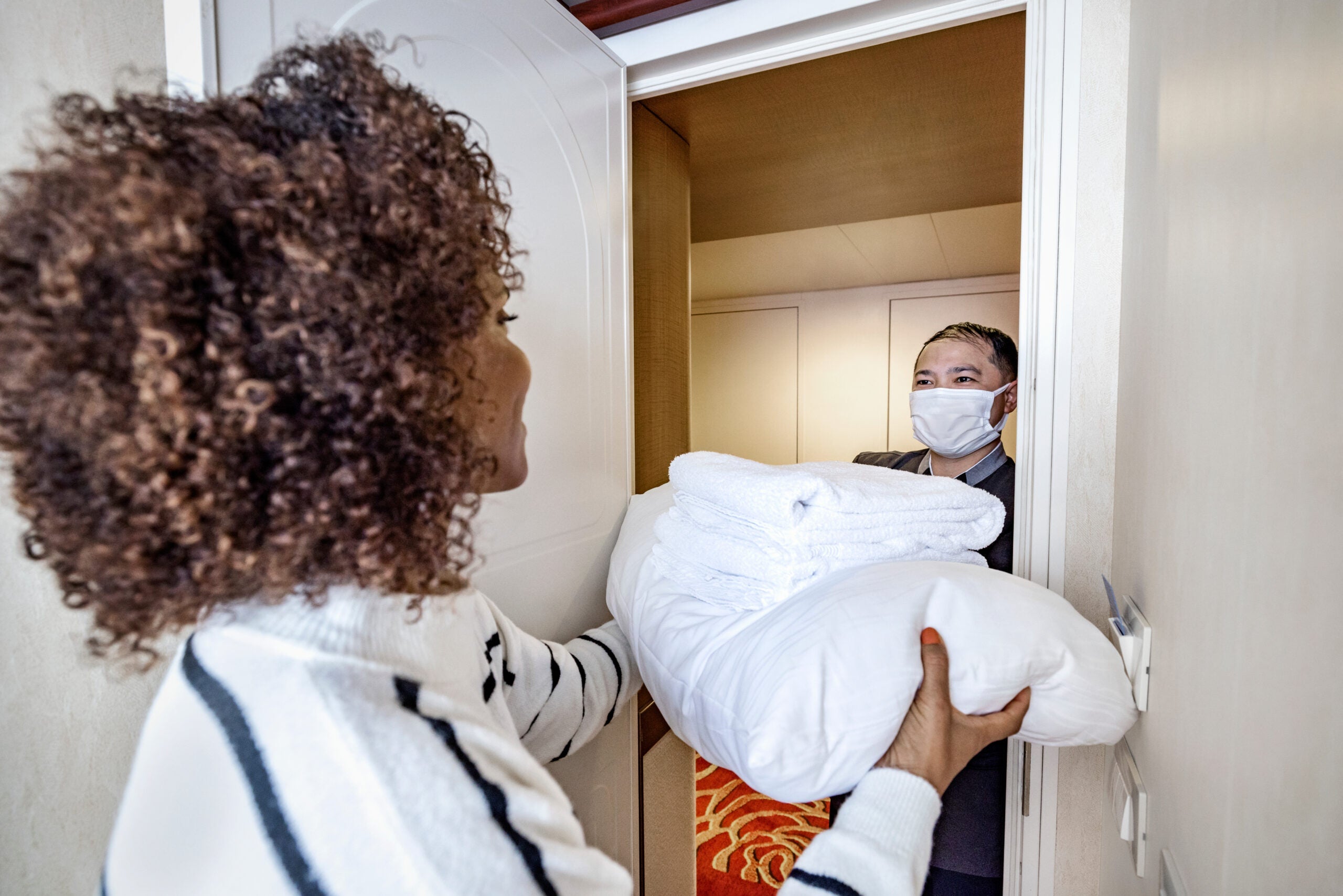
For instance, Oceania Cruises eliminated its automatic gratuity fee, opting instead to include the gratuities paid to shipboard staff in the standard ticket price. A growing roster of luxury and upscale lines now cover crew gratuities within their base fares, including Azamara, Ponant Explorations, Explora Journeys, Regent Seven Seas Cruises, Scenic Luxury Cruises and Tours, Seabourn, SeaDream Yacht Club, Silversea Cruises, and Virgin Voyages.
For the lines that continue to use separate service fees, these charges are marketed as a convenient alternative to the older system of cash tipping, which was once the standard across the entire maritime industry.
Where the Gratuity Money Goes
A common misconception among travelers is that the automatic service charges go exclusively to the visible frontline workers, such as the daily cabin steward or the dining room waiter. In practice, the funds collected through these daily service fees are pooled and distributed among a vast network of crew members.
Depending on the specific cruise line, this pooled money is shared among cabin attendants, dining room servers, assistant waiters, housekeeping personnel, and numerous behind-the-scenes workers whose labor keeps the vessel operating smoothly. Proponents of this system argue that it is far more equitable than traditional cash tipping, which historically favored certain visible roles over vital behind-the-scenes staff.
At the same time, critics often view these automatic charges as a deliberate strategy by cruise lines to keep advertised base fares artificially low. By breaking out a significant portion of onboard labor costs into a separate line item, companies can market lower initial ticket prices. Because cruise operators generally do not disclose detailed formulas for how these gratuity pools are distributed, the exact mechanics remain somewhat opaque to the traveling public.
How Service Charges Are Levied and Managed
When sailing with a cruise line that utilizes service charges, passengers typically have two primary methods for paying the fees. Travelers can choose to pay their service charges in advance before the ship sets sail, often bundling the payment with their initial cruise fare. Alternatively, they can allow the charges to accrue and appear automatically on their onboard room account during the voyage.
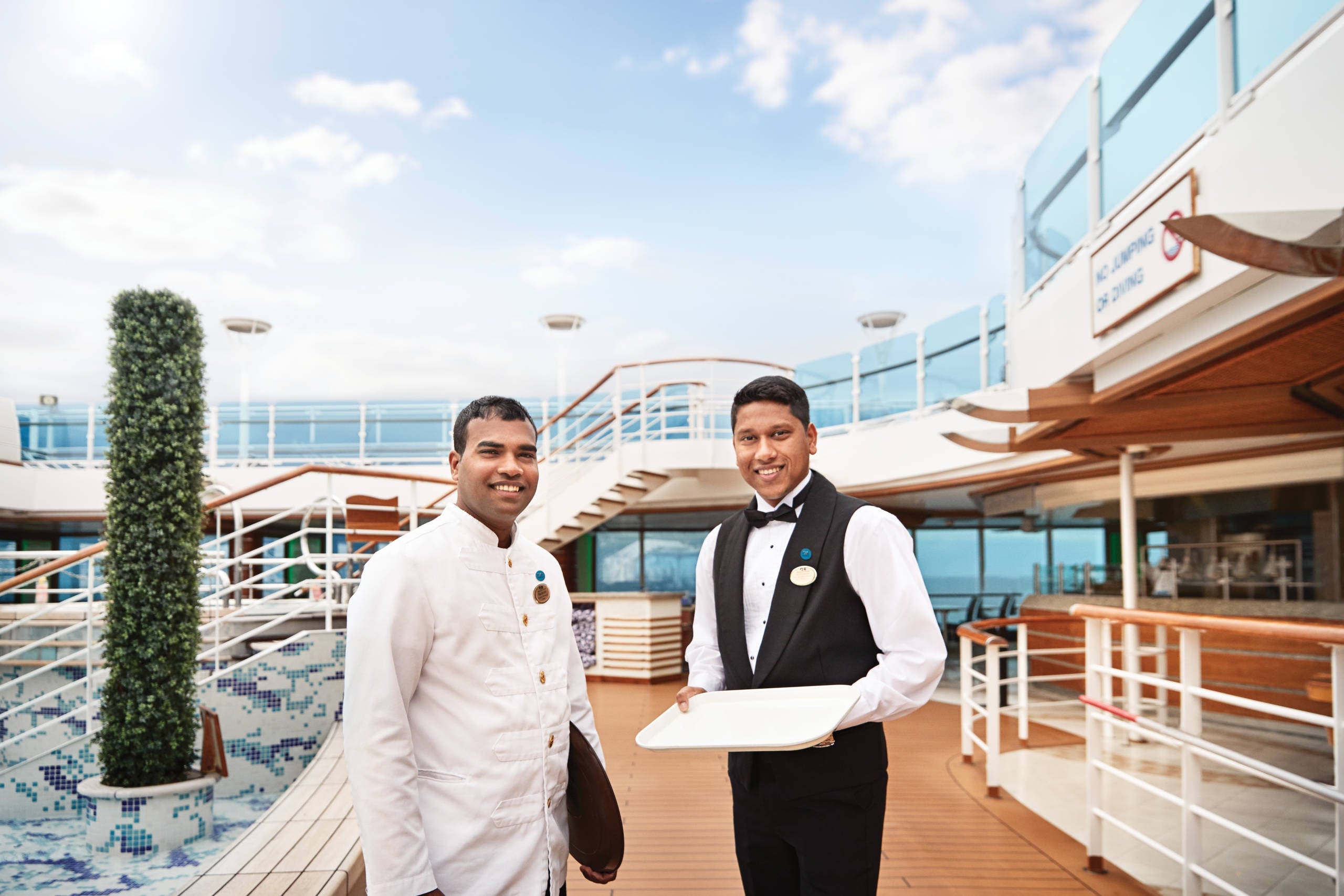
Prepaying service charges offers a distinct financial advantage by locking in the current rate. If a cruise line decides to raise its daily service fee between the time a passenger books and the actual departure date, those who prepaid are protected from the increase. Additionally, prepaying helps travelers streamline their vacation budgets, ensuring that a large chunk of auxiliary expenses is settled long before embarkation day.
For those who prefer to let the charges roll onto their onboard account, the process is entirely automated. The gratuities appear on the statement without requiring any manual action from the guest. On lines that use this model, passengers are generally not expected to hand out additional cash tips to their room attendants or main dining room waiters, as the service charge is designed to cover those contributions.
Similarly, passengers sailing on high-end ships where gratuities are already included in the fare are not required to tip individual staff members, as the line compensates the crew directly. While additional cash gifts are never required, some travelers still choose to leave a little extra for crew members who provide exceptional service, or to tip specific bartenders and room service staff early in the sailing in hopes of enhancing their onboard experience. However, any extra cash tipping is entirely at the discretion of the passenger.
Adjusting Gratuities and Evaluating Onboard Policies
For passengers who encounter service issues or wish to modify their charges, most cruise lines permit adjustments at the onboard guest relations desk. Passengers looking to reduce or remove automatic gratuities can typically do so, though they should expect to be asked for an explanation by guest relations staff who want to address any specific service failures.
While some operators make adjusting gratuities a straightforward process, others place strict limitations on reductions or removals, particularly if the guest chose to prepay their gratuities before the cruise. Because automatic gratuities support a wide range of behind-the-scenes workers, seasoned cruisers generally view adjustments as a measure reserved for genuine service breakdowns rather than a routine tactic to cut vacation costs.
Bundling Perks to Offset Onboard Costs
For travelers who dislike the idea of separate service charges but cannot afford the higher upfront cost of an all-inclusive luxury line, promotional booking incentives offer an alternative. In recent years, several major cruise lines have introduced bundled pricing models that allow passengers to pay for cruise tips, Wi-Fi access, and beverage packages simultaneously in advance, often at a discounted rate compared to purchasing each component separately.

Princess Cruises, for instance, offers a "Princess Plus" booking option that bundles prepaid crew appreciation fees, a single-device Wi-Fi plan, and a basic beverage package for a flat daily rate if booked in advance. The line also offers an upgraded "Princess Premier" bundle that expands on these inclusions by adding unlimited dining at specialty restaurants for a higher daily rate. When lines offer these bundled promotions, they continue to pay the crew a standard gratuity on the passenger’s behalf, ensuring that staff compensation is not diminished by promotional pricing.
Navigating Additional Tipping Scenarios
Daily service charges represent only one facet of cruise ship tipping. Many cruise lines automatically tack an additional service charge onto the bill whenever passengers purchase extra-fee drinks, specialty restaurant meals, or spa treatments. These automatic tips typically range from 15% to 20% of the total purchase price.
Passengers should remain vigilant when reviewing their receipts, as they frequently feature a blank line for an additional handwritten tip even after an automatic gratuity has already been applied. This layout can easily lead travelers to tip twice by mistake, though no extra pressure should be felt once an automatic charge is present. Furthermore, passengers who purchase dining or beverage packages—even when received as a promotional booking perk—may still be required to pay gratuities calculated against the standard retail value of those packages.
Cash remains necessary for certain aspects of a cruise vacation. Standard etiquette dictates tipping porters who handle luggage at the terminal, as well as local tour guides and drivers during port excursions. Small bills, such as single-dollar bills, fives, and tens, are ideal for these cash exchanges and are widely accepted across various international ports of call. Whether handed out early in the trip to build rapport or presented at the end as a token of appreciation, cash tips remain a welcome gesture for hardworking maritime staff.