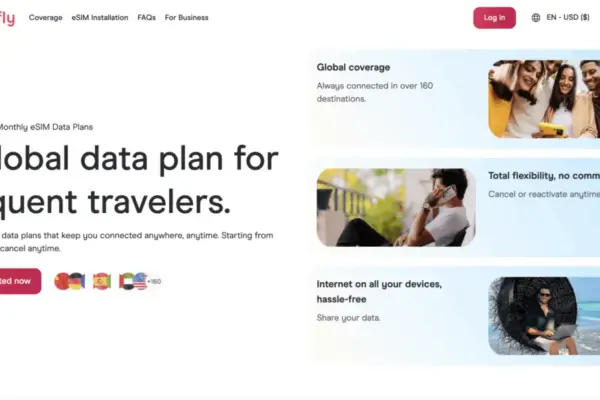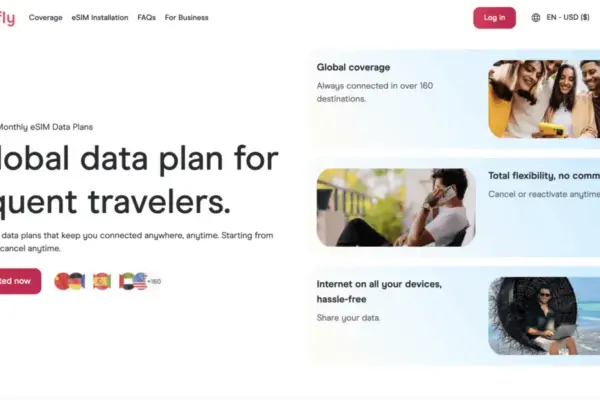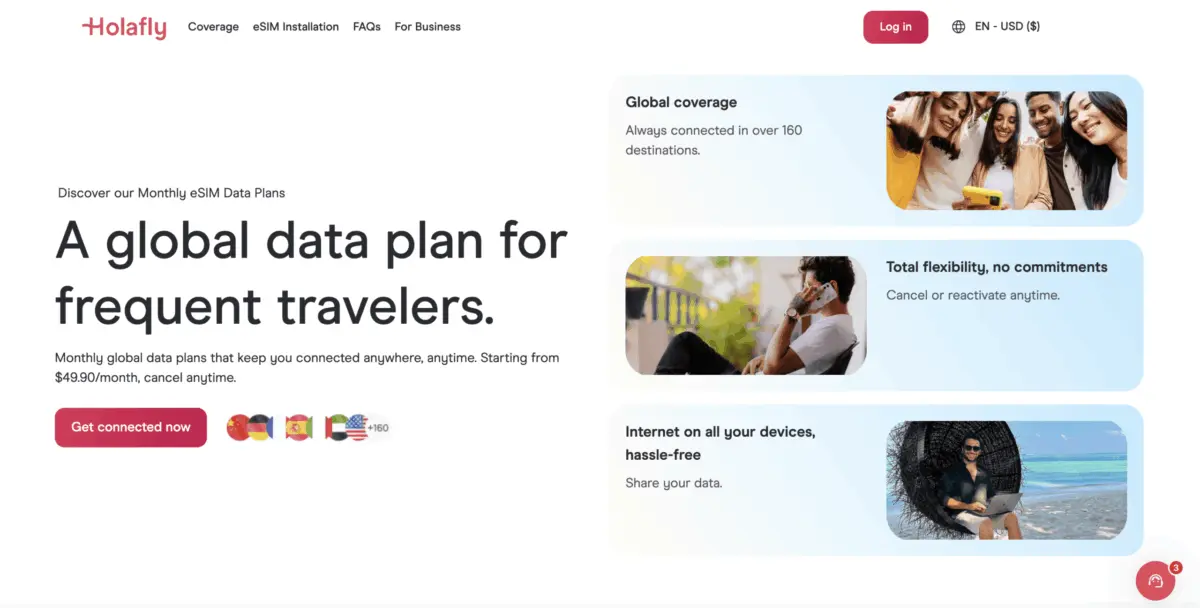
Travel technology provider Holafly has introduced a new subscription-based offering aimed at long-term travelers and digital nomads. Known as Holafly Plans, the product provides a single, ongoing global eSIM service spanning more than 160 destinations under one recurring billing cycle, eliminating the need for travelers to repeatedly purchase regional packages or swap out physical and digital cards while crossing international borders.
For years, the standard model for international mobile data has relied on destination-specific eSIMs or temporary roaming passes. Travelers typically purchase a one-off package tied to a specific country or region, configure a digital SIM profile via a QR code or mobile application, and repeat the process whenever their itinerary changes. While efficient for traditional vacations lasting a week or two, this fragmentation can introduce friction for individuals who are constantly on the move across multiple jurisdictions.
The newly launched Holafly Plans framework approaches global connectivity from the perspective of a traditional mobile carrier subscription, but with international infrastructure built directly into the software. Users purchase a standing subscription—available on monthly, quarterly, or annual billing terms—that remains active indefinitely as they travel. When a subscriber lands in a new country, the service automatically reconnects to local partner networks without requiring any manual intervention, re-downloading of profiles, or QR code scanning.
The subscription model is split into two primary tiers: a Light Plan and an Unlimited Plan. The Unlimited Plan is designed for high-data users, digital nomads, and remote professionals who require continuous connectivity for video conferencing, media uploads, and heavy web browsing. It features uncapped data allowances alongside an unlimited hotspot capability, allowing subscribers to tether laptops and other devices on the go without facing throttling or restrictions. Additionally, the Unlimited tier includes a local phone number originating from the United States, the United Kingdom, or Canada, enabling users to receive SMS verification codes and text messages while abroad.

The Light Plan offers a structured alternative for travelers who primarily rely on mapping services, messaging platforms, and moderate web browsing. It provides 25 gigabytes of data per month while maintaining the same 160-plus country coverage footprint and hotspot functionality as the higher tier.
Both subscription tiers incorporate a feature designated as "Always On." Once a plan is activated, users receive one gigabyte of backup data every month automatically, a provision that persists even if the subscriber eventually cancels the primary subscription entirely.
Pricing for Holafly Plans varies by region, currency, and the chosen billing duration. Quarterly commitments yield a savings of approximately 10 percent compared to month-to-month billing, while annual commitments reduce the cost by roughly 15 percent. As a baseline, the unlimited tier is priced at approximately $55 per month when purchased on an annual plan. This positions the service significantly below the standard international roaming rates charged by major domestic telecommunications providers in markets like the United States, where comparable overseas data add-ons or international travel passes often range between $100 and $300 monthly, frequently accompanied by severe speed caps or daily usage fees.
Classic eSIMs vs Plans
The introduction of Holafly Plans creates a clear distinction within the company’s product ecosystem between short-term vacation products and long-term roaming solutions. Traditional Holafly eSIMs, which cover more than 200 individual destinations, remain tailored to single-trip itineraries. For a traveler taking a brief two-week vacation to a single country, a classic destination-specific eSIM remains the simpler and more cost-effective choice. It operates as a one-time transaction with no ongoing commitments.
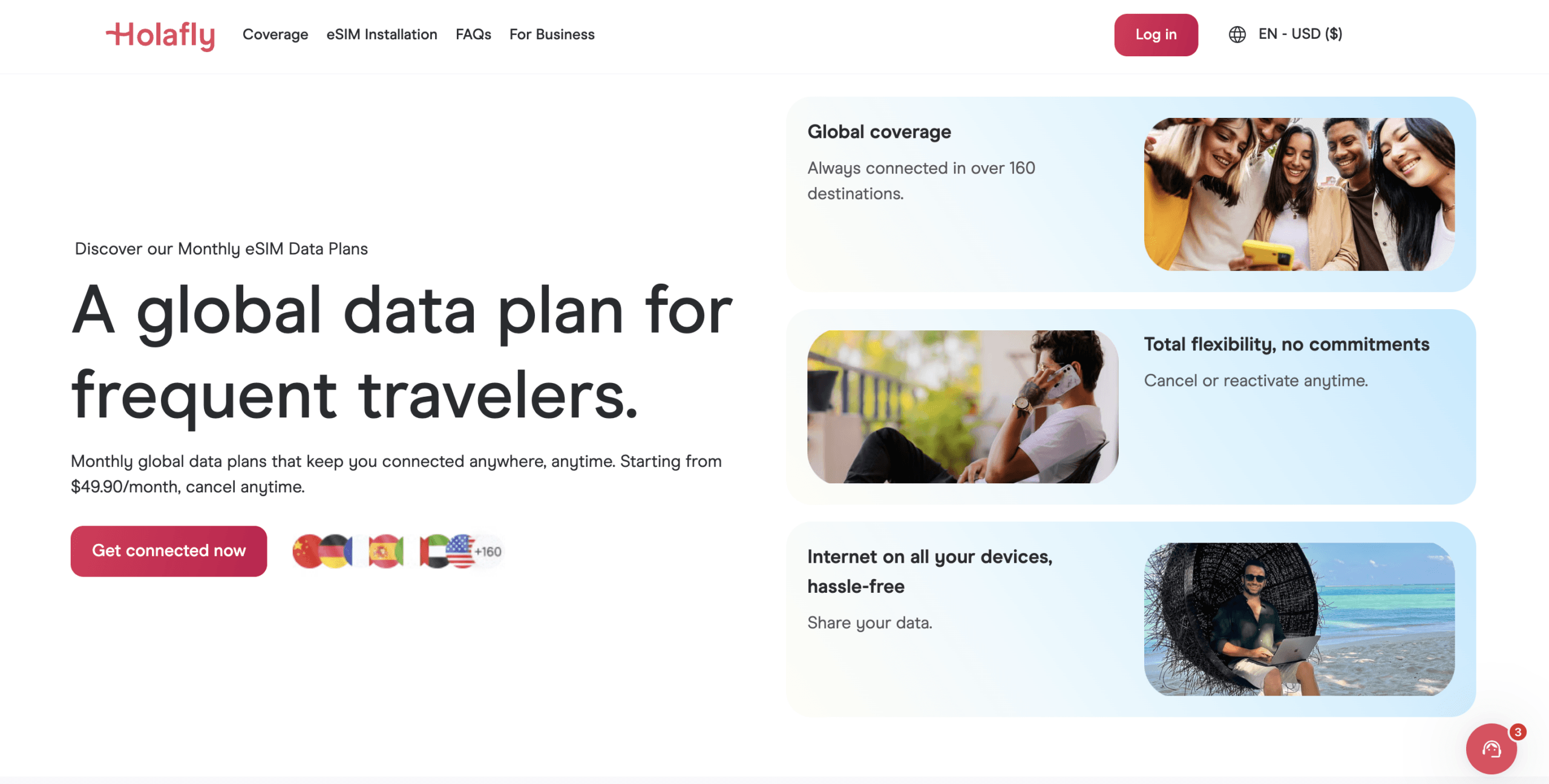
In contrast, Holafly Plans addresses the logistical challenges faced by frequent travelers and digital nomads who spend the majority of the year outside their home countries. Rather than acquiring a new digital SIM card or regional package every time an itinerary shifts, subscribers maintain a single ongoing connection managed through a unified account.
Industry analysts note that traditional major carrier roaming options often impose strict daily limits, expensive add-on fees, or data throttlings after a modest threshold is reached. By comparison, subscription-based eSIM models leverage local carrier partnerships to deliver native data speeds across international borders at a predictable, consolidated cost. Furthermore, the inclusion of hotspotting capabilities in the unlimited tier addresses a common limitation found in standard carrier roaming packages, which frequently restrict or penalize device tethering.
How It Works and Market Positioning
Subscription management and initial activation are handled through Holafly’s digital platform. Upon purchasing a plan, users receive a digital profile that is installed onto compatible smartphones via the company’s application or by scanning a configuration code. Because eSIM technology is embedded directly into modern smartphone hardware, devices can store multiple profiles simultaneously, allowing users to maintain their domestic phone numbers for essential domestic communications while routing cellular data through the global Holafly subscription.
The service is backed by a refund policy and 24/7 customer support infrastructure to assist users with network configuration or troubleshooting while abroad.
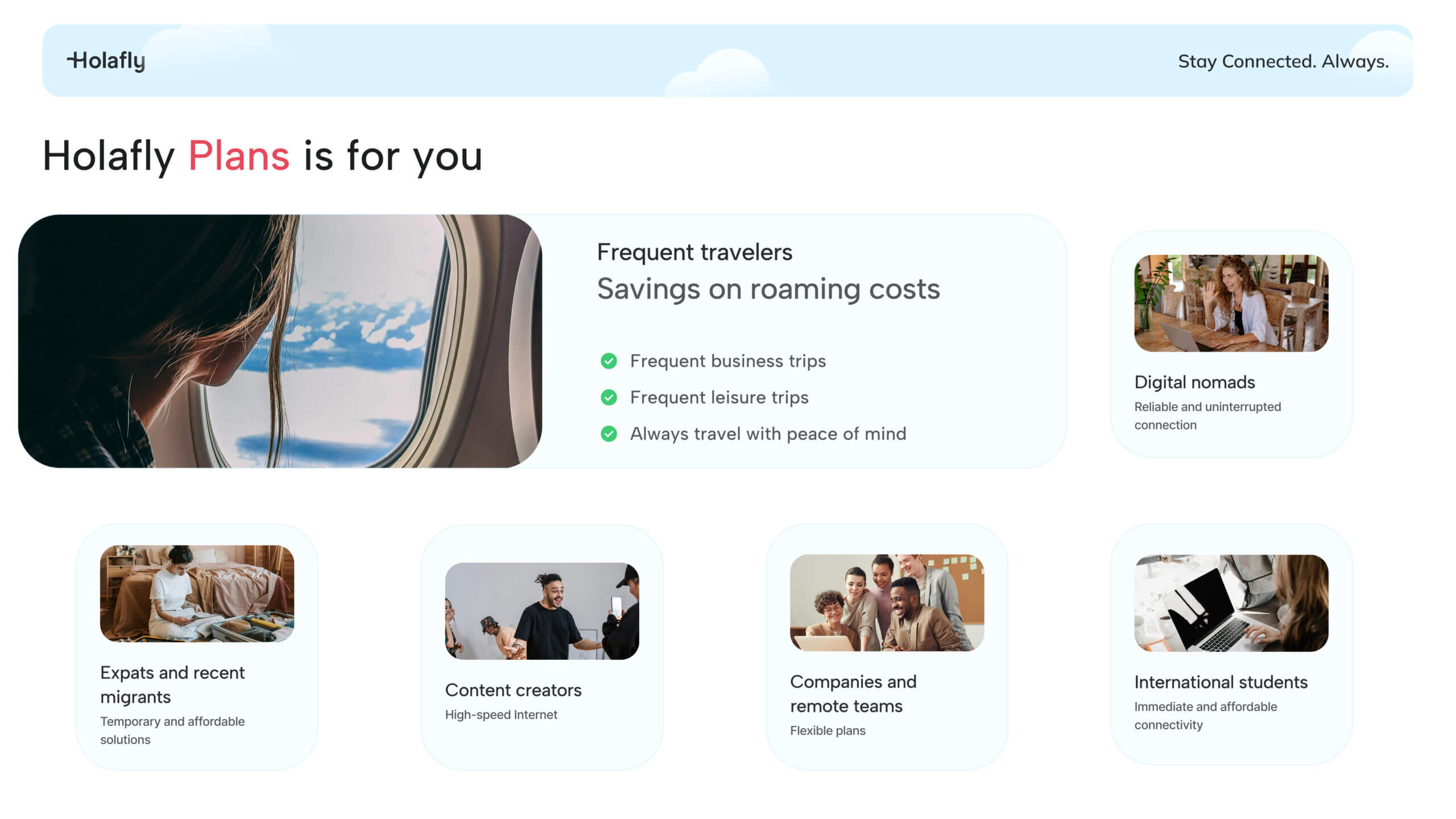
Market observers point out that while the subscription model is not optimized for occasional vacationers taking only one or two brief trips per year, it targets a growing demographic of location-independent professionals, expatriates, and frequent business travelers. By consolidating multi-country connectivity into a single recurring bill with transparent pricing, Holafly Plans aims to bridge the gap between expensive domestic carrier international plans and the fragmented nature of purchasing separate local SIM cards in every country.