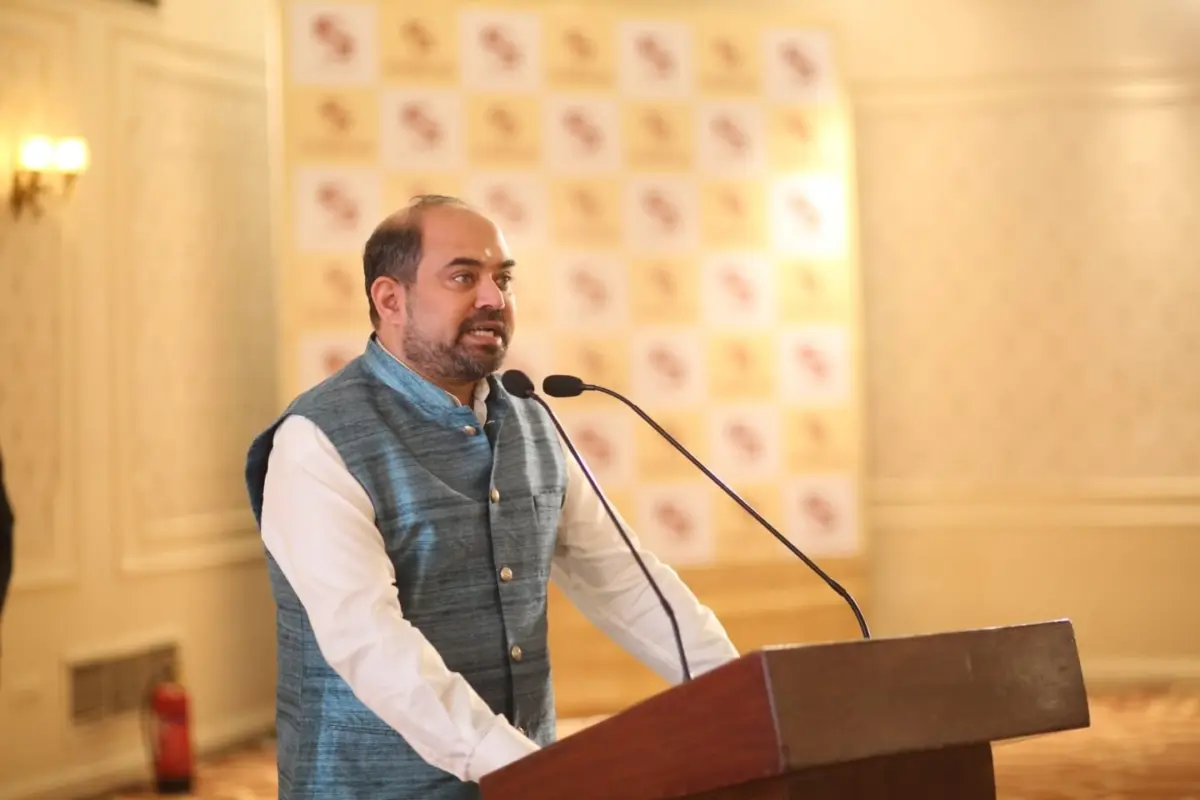
NEW DELHI — Addressing a gathering of diplomats, academics, and industry leaders at the Symbiosis International Annual Dinner in New Delhi, Dr. Ramakrishnan Raman, Vice Chancellor of Symbiosis International (Deemed University), delivered a compelling address on the evolving mission of higher education. He highlighted the pivotal role that modern universities play in shaping responsible, technology-ready, and globally minded graduates capable of navigating an increasingly complex and interconnected world.
The annual gathering served as a prominent platform for discussing the profound shifts currently reshaping the global landscape. Against the backdrop of rapid technological advancements and shifting economic paradigms, Dr. Raman focused his remarks on the urgent need for academic institutions to look beyond traditional educational models. As artificial intelligence and other emerging technologies fundamentally transform global economies, workplaces, and the very nature of how knowledge is created and shared, the fundamental challenges facing universities are undergoing a paradigm shift.
According to Dr. Raman, the primary challenge for contemporary higher education is no longer simply to prepare students for existing careers or well-established professional tracks. Instead, academic institutions must equip students for a world in which many of the most prominent jobs and professional roles are yet to emerge. This forward-looking perspective underscores a broader transformation within the global education sector, where adaptability, critical thinking, and continuous learning have become absolute necessities for professional survival and success.
Welcoming the international gathering of diplomats and dignitaries to the capital, Dr. Raman also emphasized the enduring importance of diplomacy, mutual understanding, and cross-border cooperation. In an era experiencing rapid technological disruption and economic realignment, he noted that the foundational principles of international dialogue remain vital. He described the ongoing transformation across the educational and technological spheres as a unique opportunity for universities worldwide to strengthen international connections, foster grassroots innovation, and prepare young people for an increasingly interconnected future.
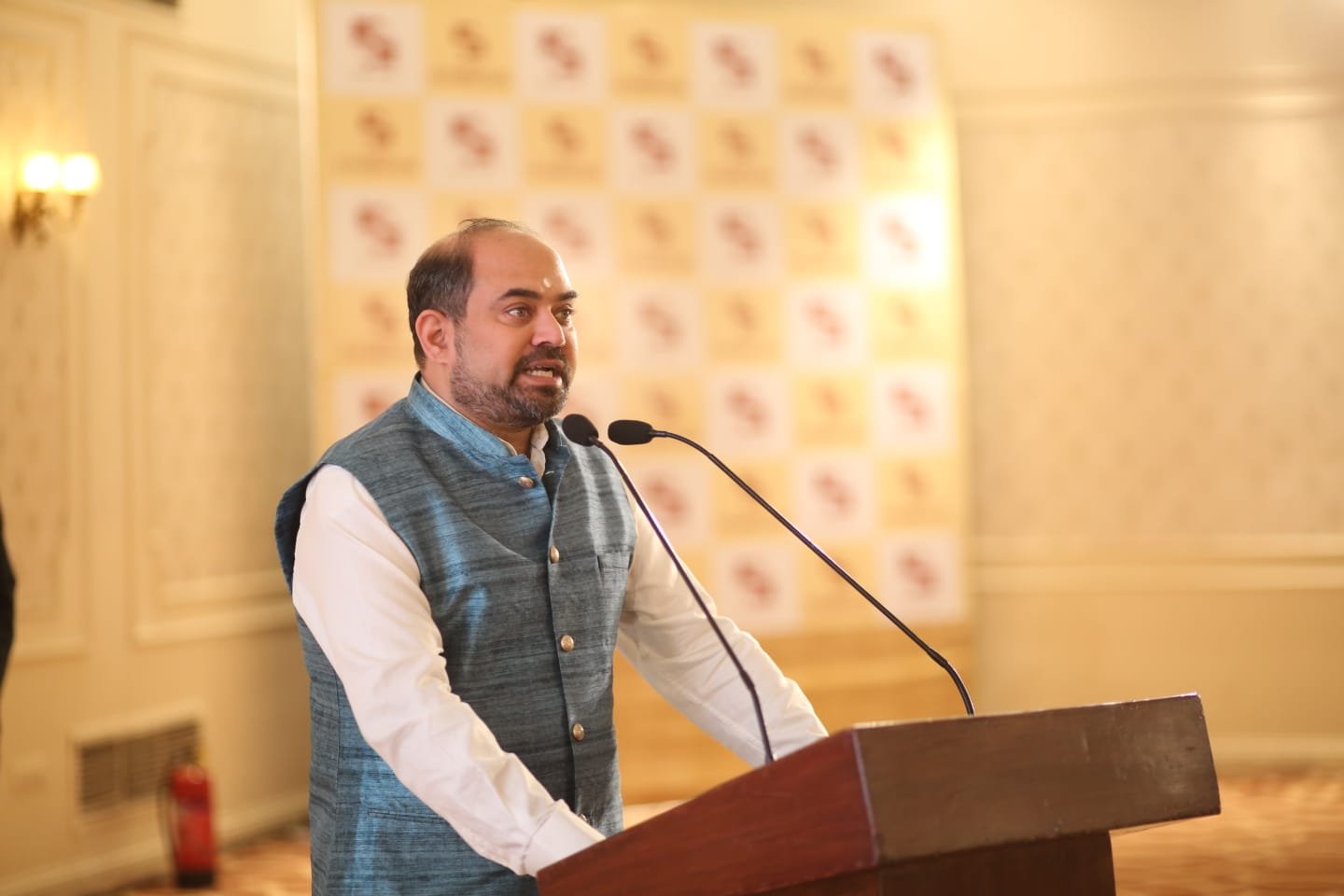
Elaborating on this theme, Dr. Raman pointed out that modern education is not merely about preparing students for jobs that currently exist on paper, but rather about preparing them for careers that may not yet exist in the contemporary labor market. This observation highlights the vital need for adaptable skills, resilient mindsets, and a commitment to lifelong learning that extends far beyond the traditional university classroom.
At Symbiosis International, this overarching vision translates into a deliberate and comprehensive effort to integrate artificial intelligence and other emerging technologies into everyday teaching practices, academic research initiatives, and strategic industry engagements. However, Dr. Raman was quick to stress that true technological adoption must extend far beyond simply introducing new digital tools, software, or hardware into physical and virtual classrooms. He argued that students must be taught to look past the surface functionality of these tools; they must learn to think critically, solve complex problems, accurately interpret vast amounts of data, and deeply understand the profound ethical implications associated with the deployment of advanced technologies.
Furthermore, Dr. Raman underscored the critical importance of ensuring that digital capabilities and technological literacy are developed across all academic disciplines, rather than being siloed within technical programs. Whether students are pursuing degrees in management, law, healthcare, or the humanities, they will inevitably encounter a professional landscape deeply influenced by artificial intelligence and digital innovation. Consequently, technological literacy must become a shared educational priority across the entire academic spectrum, rather than remaining the exclusive preserve of specialised technical or engineering courses.
In addition to curricular evolution, Dr. Raman placed heavy emphasis on the indispensable value of international collaboration in achieving these educational goals. He noted that universities, national governments, and private industry sectors can achieve much more by working closely together through joint research projects, international faculty exchanges, student mobility programs, and targeted skills development initiatives. By drawing upon each country’s distinct strengths, cultural perspectives, and technological expertise, the global educational community can build a more robust framework for future learning.
Concluding his address, Dr. Raman issued a call to action for a future where ongoing technological progress contributes not only to traditional economic productivity and commercial growth, but also to the creation of more inclusive, resilient, and prosperous societies worldwide. The annual dinner concluded with discussions among the international attendees on how academic institutions and diplomatic missions can continue to partner in fostering global understanding and technological readiness for generations to come.