Nearly a decade ago, governments across the African continent embarked on a transformative journey to automate their public procurement systems, recognizing that public procurement serves as the financial engine powering state machinery. Yet, ten years after these initial steps, a distinct gap persists across the continent. A clear divide remains between the countries that have successfully streamlined and digitalized their procurement processes and those that are only now beginning to navigate the complexities of digital transformation.
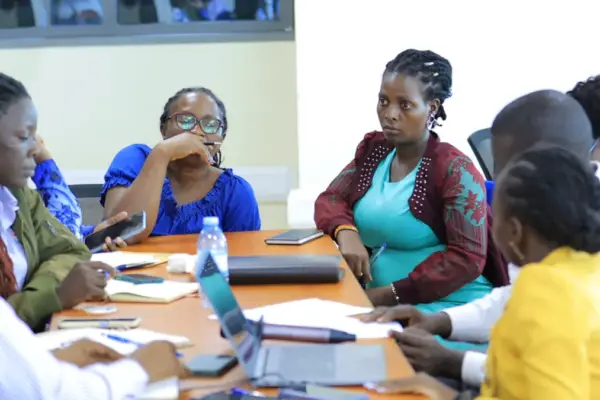
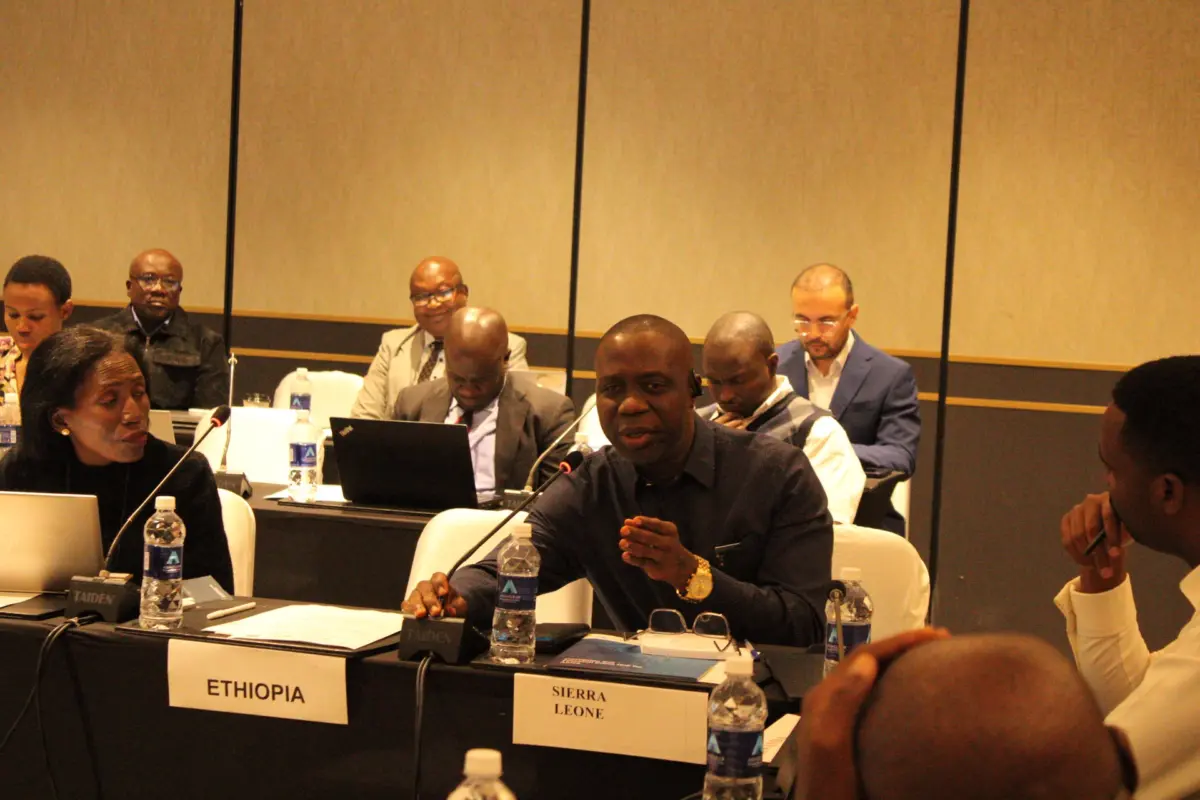
To address these disparities, the Zambian government—through the Zambia Public Procurement Authority (ZPPA)—recently hosted a high-level regional workshop in Lusaka. Convened alongside the Open Contracting Partnership (OCP), the United Nations Office on Drugs and Crime (UNODC), and Open Ownership, the event brought together delegates from twelve African nations. Procurement agency heads, technical leads for electronic government procurement systems, and representatives from anti-corruption institutions gathered in the Zambian capital. While these nations are at varying stages of their digital procurement journeys, they arrived with a shared objective: to share practical experiences, analyze persistent operational challenges, and accelerate the pace of e-procurement reforms.
What set the Lusaka gathering apart from traditional bureaucratic summits was its rare degree of candor. Rather than focusing solely on polished success stories, the discussions zeroed in on institutional resistance, complex political negotiations, and historical setbacks that rarely make their way into formal technical guidance documents. In the conference rooms and hallways alike, participants confronted a fundamental reality: building an e-procurement platform is merely the first step. The true magnitude of the task lies in comprehensive governance reform. The primary barriers to success are rarely technological; rather, they are rooted in political commitment, institutional leadership, and the organizational willingness to fundamentally rethink established ways of working.
Articulating this governance challenge, one participant observed that public procurement should function like an open road accessible to every vehicle, rather than a restricted route reserved exclusively for articulated lorries. In practice, however, procurement systems are frequently constructed like highways designed solely for the largest and most established players. Under this system, a small business owner offering the highest-quality product at the most competitive price often struggles to compete against massive corporate suppliers. Rectifying this imbalance is fundamentally a governance issue, requiring the exact same level of political will and institutional dedication demanded by any major national reform.
Throughout the week-long convening, participants highlighted three central insights that underscore why structural and political commitment remains paramount to digital procurement success.
The first and most prominent insight is that technology is rarely the primary blocker to reform. Every country represented in the room acknowledged that modern software can either be custom-built or acquired from vendors. The genuinely difficult work lies in securing sustained political support, redesigning intricate business processes, investing in human capital, and maintaining reform momentum long after the initial launch celebration has faded.
Tanzania’s recent experience offered a compelling illustration of this principle. Following its strategic transition from a vendor-owned platform to its locally developed National e-Procurement System, known as NeST, Tanzania successfully integrated more than 30 separate government systems. The country embedded Open Contracting Data Standard publishing directly into its framework, introduced automated red-flag monitoring systems, and deployed mobile applications that empower small procuring entities and rural suppliers to participate actively in the market. Today, hundreds of thousands of public tenders are published openly and in real time. Yet, Tanzanian officials stressed that while the technology eventually functioned as intended, the far heavier lift involved managing institutional change, cultivating local technical capacity, and preserving unwavering political commitment at every level of government.
This operational reality represents the vital bridge where high-level global commitments translate directly into tangible national action. The anti-corruption and procurement guidelines agreed upon under the United Nations Office on Drugs and Crime framework in Doha formally call on governments worldwide to adopt digital procurement technologies, publish procurement data in accessible open formats, and actively utilize that data to detect, deter, and prosecute corruption.
Reflecting on the significance of the Lusaka dialogues, Francesco Checchi of the UNODC noted that the Doha meetings provided the necessary guidelines, but the Lusaka workshop served as the practical testing ground where those guidelines became reality. Bringing twelve countries together for honest conversations without pretending that the difficult parts of reform are easy is precisely how genuine institutional change occurs, he emphasized.
The second critical insight focused on market inclusivity—specifically, the question of who gets to access the road. One of the most energizing discussions of the workshop centered on how digital procurement tools can actively expand economic access rather than merely improving administrative efficiency. Small businesses, women-owned enterprises, and first-time suppliers are closely watching to determine whether digital reforms genuinely open up public contracting or simply replicate historical barriers behind a modernized user interface. That fundamental question, delegates agreed, must sit at the absolute center of system design.
Both Rwanda, through its advanced Umucyo portal, and Italy, represented by its National Anti-Corruption Authority, demonstrated how thoughtful system design—when paired with comprehensive beneficial ownership transparency—can simultaneously surface hidden corruption risks and widen the competitive market. Knowing the identity of the contractor who won a public tender is important; however, knowing the ultimate beneficial owner of that winning company is far more critical for maintaining public trust and deterring illicit enrichment.
The third insight emphasized the indispensable value of peer learning in transforming theoretical guidelines into actionable national policy. While researchers can thoroughly document what works in theory, written reports cannot convey the lived experience of pushing a difficult reform through entrenched institutional resistance, nor can they capture the exact nature of the political compromises required when a critical window of reform opens. These direct exchanges between practitioners who have successfully navigated these political and administrative battles are what turn abstract guidance into practical tools that countries can readily deploy.
Echoing this sentiment, Gloria Ngoma, Director General of the Zambia Public Procurement Authority, explained that for Zambia, hosting the regional conversation extended far beyond simply bringing nations together. She noted that the gathering was fundamentally about mutual learning, maintaining absolute honesty regarding institutional gaps, and departing with practical, actionable methods to render public procurement more open, competitive, and accountable. That shared transparency regarding past failures and successes, she added, was what rendered the Lusaka room genuinely useful to every delegation present.
As the workshop concluded, participating delegates drafted and signed a formal communiqué declaring a shared and ambitious regional vision for public procurement. The professional relationships and informal networks forged over two days of intense discussions in Lusaka are expected to carry forward into the months and years ahead. While the broader journey toward fully open, efficient, and accountable public procurement across the African continent remains ongoing, the consensus in Lusaka was clear: the right people are building the infrastructure together. Drawing from their respective starting points, these twelve nations—comprising Botswana, Ethiopia, Kenya, Malawi, Mozambique, Nigeria, Rwanda, Sierra Leone, South Africa, Tanzania, Uganda, and Zambia—demonstrated a unified commitment to ensuring public money consistently works for the public good.