As skyrocketing living expenses continue to ripple across communities nationwide, affordable housing has firmly established itself as the single greatest concern for municipal leaders. According to a comprehensive new survey released by the U.S. Conference of Mayors (USCM), urban centers are facing unprecedented economic pressures that are straining local resources, forcing difficult budgetary compromises, and leaving vulnerable residents increasingly exposed to housing insecurity and financial distress.
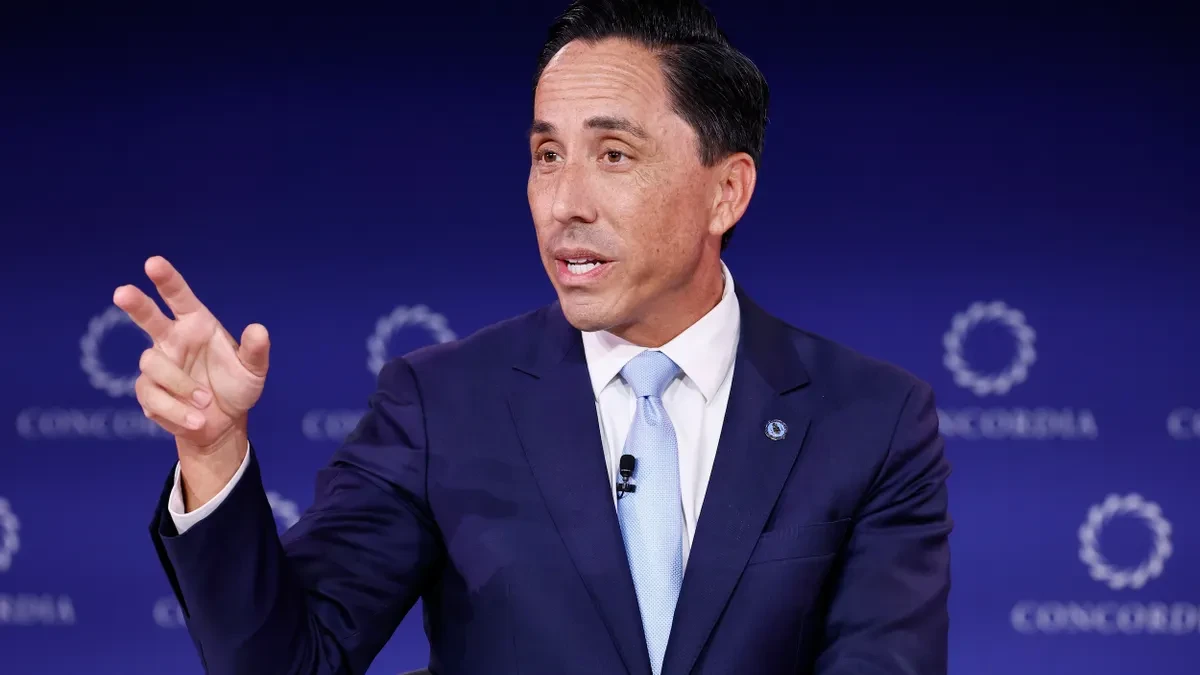
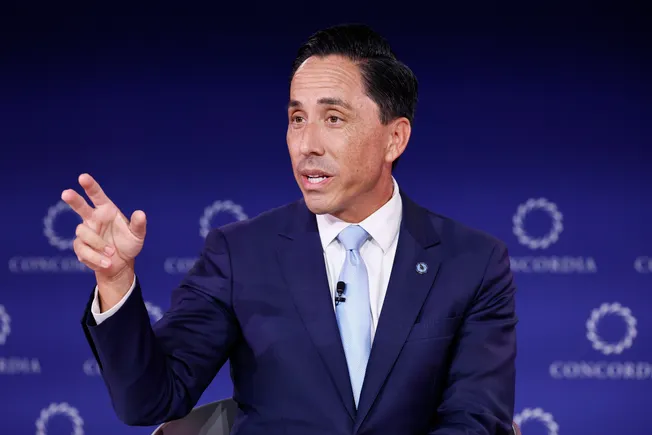
The findings of the USCM survey paint a stark picture of modern urban life, where soaring baseline expenses have fundamentally altered the financial stability of households. To bring national attention to these mounting challenges, city leaders are mobilizing. San Diego Mayor Todd Gloria, who currently serves as the president of the U.S. Conference of Mayors, helped spearhead the release of the data during a prominent appearance at the Concordia Annual Summit in New York City. Alongside fellow USCM leaders, Gloria is launching a nationwide affordability action tour designed to spotlight the survey’s findings and underscore the urgent need for structural interventions to support American cities.
The Human Toll of the Urban Affordability Crisis
Speaking with Smart Cities Dive, Mayor Gloria emphasized that while public discussions surrounding affordability often gravitate toward everyday consumer goods like groceries and gasoline, housing costs remain the primary driver of financial precarity for urban residents. Over the past two years, he noted, municipal concerns regarding basic living costs have grown steadily more acute.
"While people understandably tend to focus on grocery and gas prices when it comes to affordability, the truth is, the rent eats first," Gloria said.
Elaborating on the cascading effects of housing inflation, Gloria explained that rent represents a fixed, non-negotiable monthly expense with an unyielding deadline. When housing costs climb, households have less disposable income remaining for other vital needs, creating a domino effect throughout the household budget.
"It’s a fixed price that has a monthly deadline that is unavoidable, and so when you’re talking about the affordability crisis, you’re going to pay your rent, and as that price goes up, that means you have less for groceries, utilities, healthcare, childcare — and all those prices are going up as well," Gloria said.
This household-level financial squeeze is rapidly translating into broader civic crises. Data compiled in the USCM survey indicates that the ripple effects are being felt across entire municipal jurisdictions. More than half of all surveyed mayors—specifically 56%—report a noticeable surge in homelessness and evictions within their communities. Furthermore, 31% of city leaders report an increase in the number of residents who are entirely uninsured or under-insured, struggling to maintain basic healthcare coverage amidst rising financial pressures.
Tough Fiscal Choices and Local Government Constraints
Unlike the federal government, which possesses the fiscal flexibility to operate at a deficit, municipal governments are legally and practically bound to balance their budgets annually. This structural limitation forces mayors to make agonizing choices when local revenue gaps widen against a backdrop of rising operational costs and escalating social service demands.
For San Diego, these fiscal realities have materialized as tangible reductions in public service availability. Mayor Gloria acknowledged that his administration has been forced to implement unpopular cutbacks to keep the city’s budget balanced.
"We’ve made some not insignificant reductions to library hours and recreation center hours," Gloria said. "It’s not popular, but we don’t have an alternative for closing revenue gaps."
Faced with constrained municipal coffers, city leaders across the country are exploring creative avenues to provide relief and bridge the widening support gap for residents. Some metropolitan areas are increasingly leaning on nonprofit partnerships and specialized resource networks to maximize existing assistance programs. In Philadelphia, for instance, municipal authorities are actively directing residents toward BenePhilly, a comprehensive program designed to help individuals navigate and access a complex web of federal, state, and local social benefits.
Other cities are proactively establishing institutional mechanisms to bolster housing availability. Municipalities such as Kansas City, Missouri, and Fresno, California, have recently established dedicated housing trust funds aimed at generating sustainable, long-term streams of capital for affordable housing development and preservation.

Federal Policy Solutions and Intergovernmental Friction
While local governments are utilizing the tools at their disposal, mayors argue that the scale of the current crisis far exceeds municipal capacity. According to the USCM survey, local leaders believe broader federal policy shifts are necessary to meaningfully alleviate the financial strain on everyday citizens.
A significant majority of surveyed mayors—77%—pointed to the restoration and expansion of Supplemental Nutrition Assistance Program (SNAP) benefits as a vital measure that would immediately help struggling families. Additionally, more than half of the respondents, or 56%, indicated that resolving geopolitical conflicts, such as the war in Iran, to lower domestic gas prices would go a long way toward easing the overarching affordability crisis.
Despite these clear local recommendations, municipal leaders expressed growing frustration with the disconnect between federal discourse and the lived realities of urban residents. Mayor Gloria criticized federal figures who downplay the severity of the economic climate, contrasting political rhetoric with the urgent challenges documented on the ground.
"Our federal government’s chief executive has represented that affordability is a hoax," Gloria said. "I think this survey shows that city chief executives know that this is real, that it’s serious, and that it needs action. I think we’re all frustrated that Congress is in recess at a time when we could use their legislative action to provide relief to Americans."
To amplify these concerns and demand greater legislative attention, USCM members are officially launching their nationwide affordability tour. The multi-city initiative will travel across the country to showcase the specific data compiled in the recent report, highlight local municipal innovations, and build momentum for federal interventions designed to address the root causes of the American affordability crisis.