
El Niño has officially arrived, and forecasters warn that this cycle is a doozy.
For global travelers, this powerful natural climate phenomenon means a complex balancing act. It could make certain destinations significantly more pleasant and affordable this year, while prompting severe caution or outright reconsideration for others. Most importantly, climatologists warn that this cycle drastically increases the risk of severe weather events, ecological disruptions, and logistical headaches for anyone crossing borders or booking vacations in the months ahead.
The silver lining is that travelers are far from powerless. By understanding what El Niño entails, how it shifts regional weather patterns, and where its impacts will be felt most acutely, adventurous explorers can pivot their plans accordingly and prepare for a shifting landscape.
What is El Niño?
El Niño is a naturally occurring climate pattern that recurs roughly every two to seven years. Typically developing during the summer months in the Northern Hemisphere and persisting through the following spring, its atmospheric and oceanic effects usually peak during the winter season. Recent notable occurrences of the cycle include the 2018-2019 and 2023-2024 events.

The mechanism behind the phenomenon involves the weakening or even complete reversal of trade winds that normally blow from east to west across the Pacific Ocean. This shift pushes massive amounts of warm water eastward toward the Americas. The resulting temperature anomalies fundamentally alter the Pacific jet stream, a powerful river of wind that flows from west to east across North America. Under normal conditions, the jet stream follows a single path, but during an El Niño phase, it splits into two distinct channels: a weaker polar jet stream that typically delivers warmer, drier conditions to Canada and the northern United States, and a stronger subtropical jet stream that drives enhanced rainfall across the Southern United States and the Gulf Coast.
While North America has historically been the primary lens through which the public views El Niño, this climate phenomenon casts a far broader net, sending powerful ripple effects across every continent.
Compounding these typical patterns this year, the World Meteorological Organization expects the current El Niño to achieve "very strong," or super, status before the end of the year. When comparing current ocean surface temperatures to historical records, several leading meteorological forecasters suggest this cycle is tracking to become one of the most extreme El Niño events on record.
El Niño’s Global Footprint
Because El Niño possesses the capacity to fundamentally alter weather dynamics worldwide, it creates a stark dichotomy for the tourism sector. Certain destinations will enjoy unseasonably benign weather and lower crowds, while others face elevated risks of natural disasters, extreme temperatures, and localized health disruptions.
Although the World Meteorological Organization projects that the peak of this current El Niño cycle will begin to subside around February, climatologists warn that the atmospheric ripple effects could linger well into the following year, particularly given the unprecedented strength predicted for this event. Navigating these shifting dynamics requires a region-by-region understanding of what lies ahead.
North America
While strong and super El Niño events impact the entire globe, the most pronounced immediate effects—both beneficial and adverse—tend to center around North America.
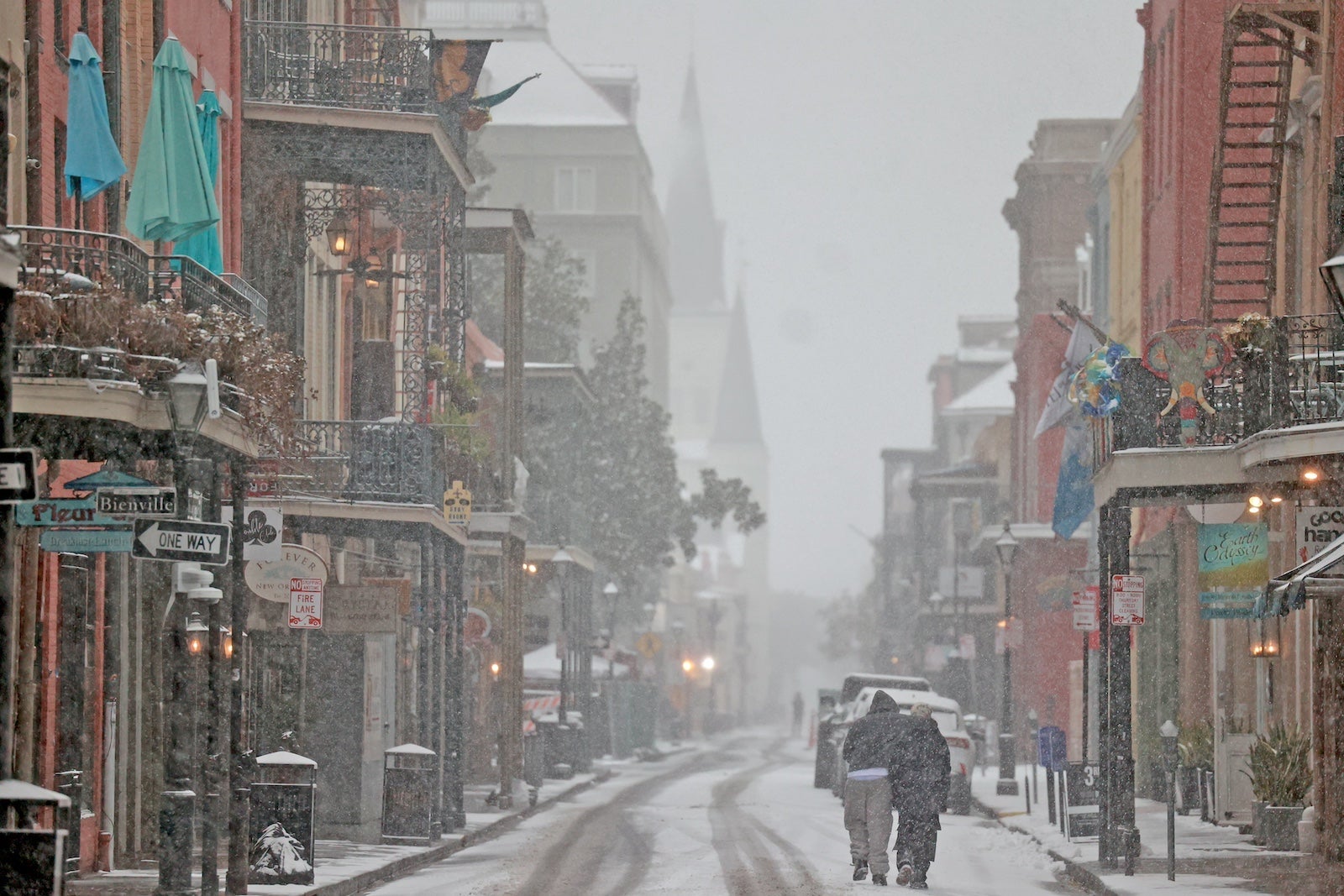
Across the northern tier of the continent, Canada and the upper United States are projected to experience a winter that is noticeably warmer and drier than historical averages. For travelers, this creates an opportune window to visit these regions. Milder temperatures and lower precipitation levels can make city trips to destinations like Chicago or Montreal vastly more pleasant during the colder months, often accompanied by deep discounts on off-season flights and accommodations. Similarly, the notoriously wet Pacific Northwest could see drier stretches, making winter outdoor pursuits far more accessible.
However, this lack of traditional winter weather cuts both ways. Reduced snowfall and frequent rain spells threaten to disrupt ski trips throughout the northern U.S. and Canada. Snowsports enthusiasts and winter vacationers may find better conditions by looking further west, as El Niño historically delivers above-average snowfall to the slopes of Colorado and California. Lake Tahoe ski resorts, for instance, have frequently extended their winter seasons well into June or June following strong El Niño cycles.
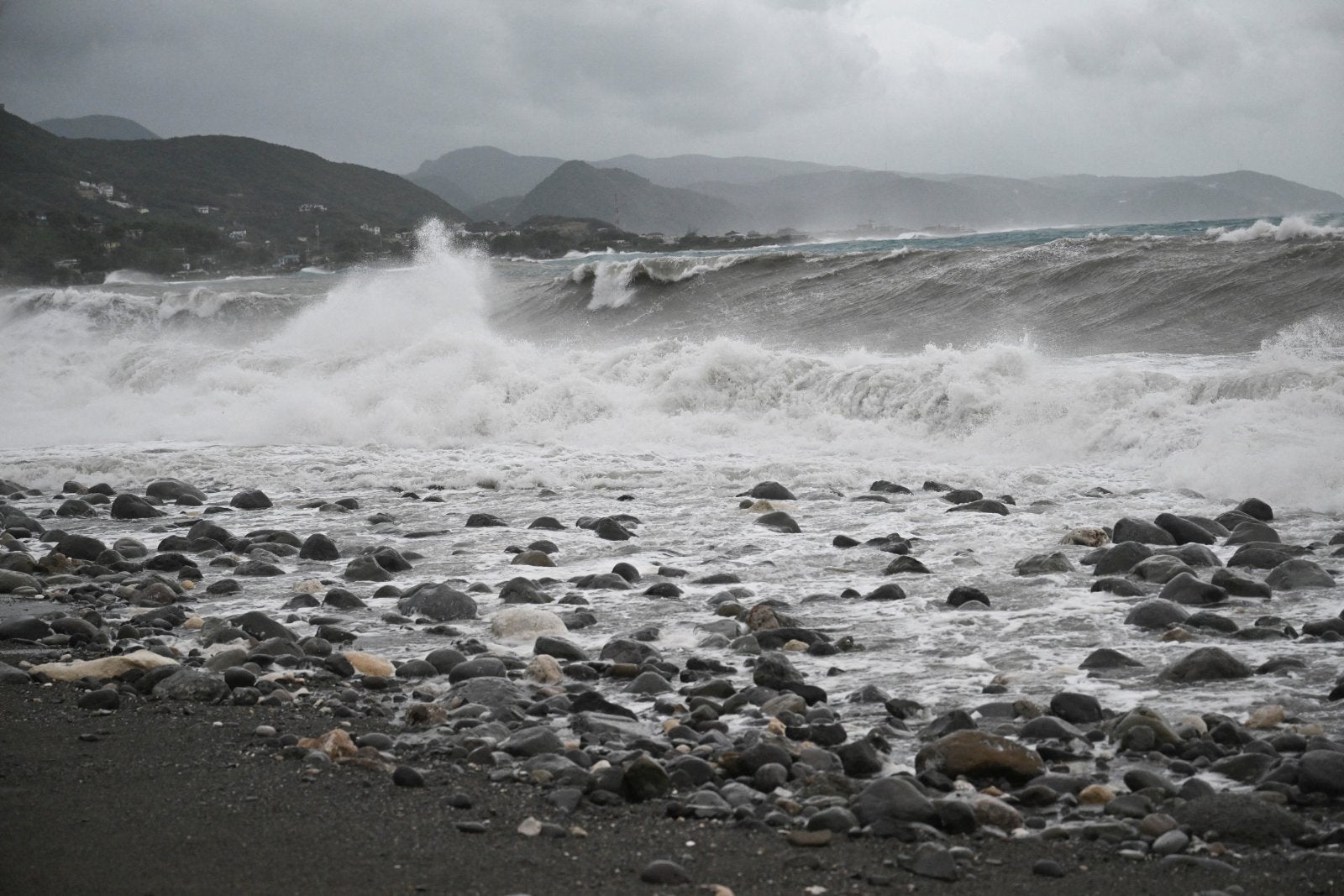
Conversely, areas situated farther south are bracing for a much wetter and cooler winter. The Gulf Coast and the Southeastern United States are expected to receive significantly higher levels of precipitation. Beyond simply dampening outdoor itineraries, this shift elevates the risk of severe weather hazards, including intense thunderstorms, localized flooding, heavy freezing rain, and occasional tornadoes. These disruptions carry a high potential for widespread flight delays, airport congestion, and compromised travel infrastructure.
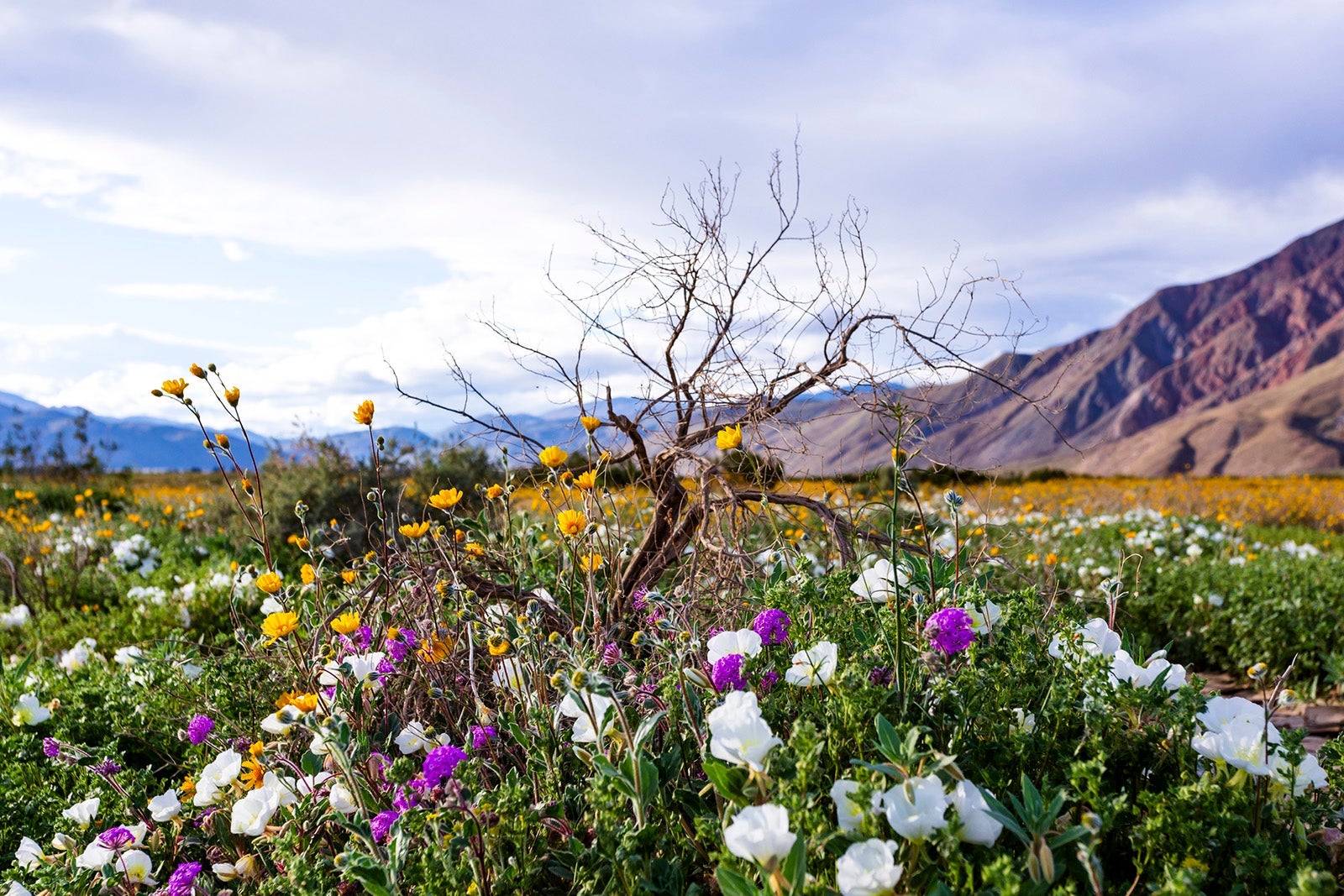
At the same time, the southwestern United States stands to benefit aesthetically from the increased moisture. Arid regions that typically appear dry, dusty, and brown during the spring months—such as Joshua Tree National Park in California—frequently erupt into colorful wildflower superblooms following heavy El Niño rains. The historic spring blooms in Death Valley serve as direct results of similar winter downpours. Yet, as the calendar turns toward the subsequent summer months, northern areas that endured dry winters will face heightened risks of severe drought and destructive wildfires.
The Caribbean and Pacific Islands
As the traditional hurricane season progresses, this year’s powerful El Niño is actively flipping traditional tropical weather scripts across different ocean basins.
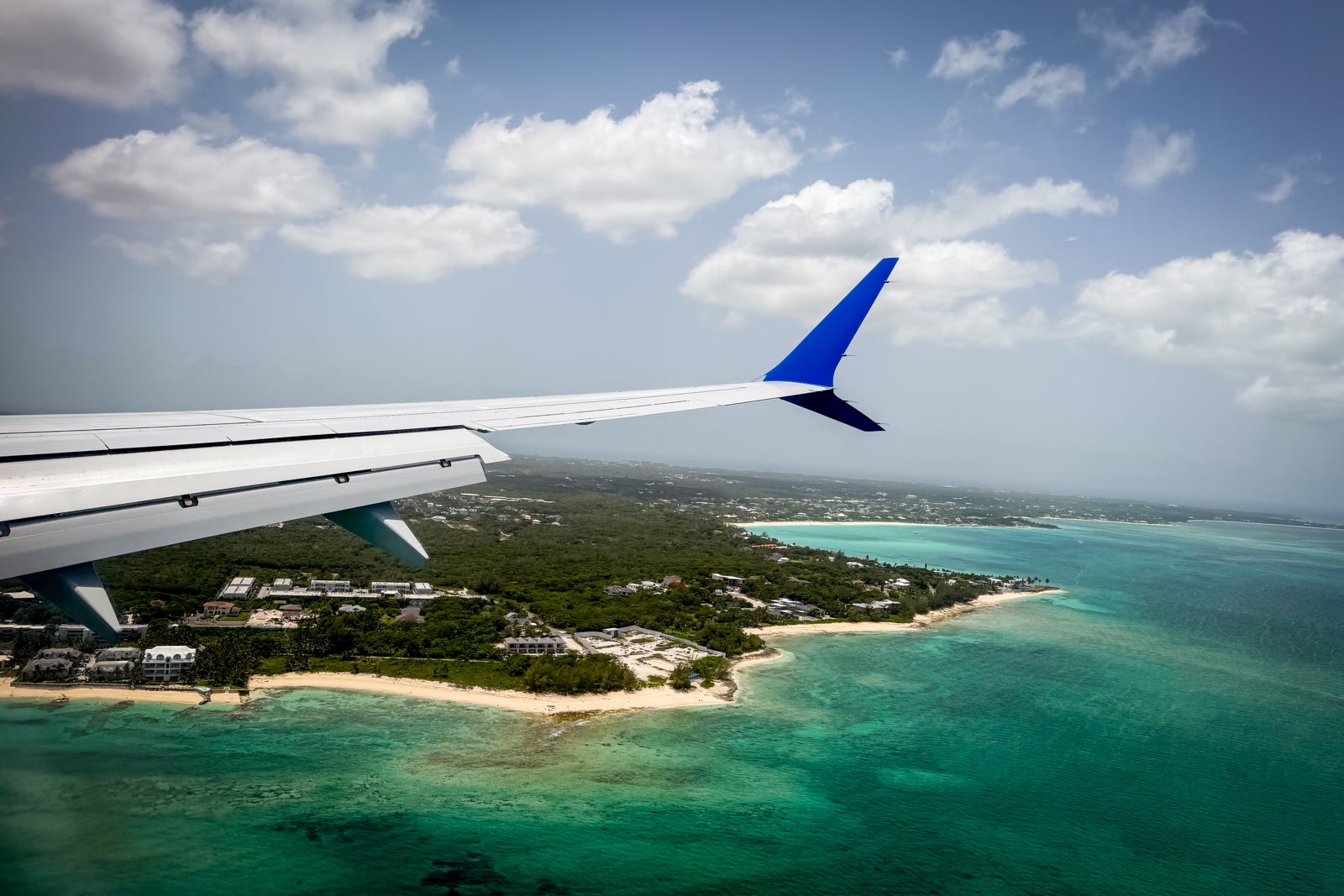
In the Atlantic Ocean, El Niño historically generates powerful upper-level wind shear, which acts as an atmospheric barrier capable of tearing apart developing storms before they can organize into major hurricanes. This dynamic can create a safer, more predictable environment for travelers eyeing off-season deals at Atlantic beach resorts or planning Caribbean cruises. Nevertheless, while the statistical risk of hurricane formation is significantly reduced, meteorologists emphasize that the risk is never entirely zero, urging travelers to maintain vigilance.
Conversely, the exact opposite occurs in the Pacific. El Niño spikes sea surface temperatures while suppressing wind shear in the Pacific basin, creating prime conditions for tropical cyclone formation. Regions like Hawaii, where direct hurricane impacts are historically rare—with only a handful of storms tracking within close proximity over the past several decades—have already noted elevated storm activity. Consequently, autumn trips to Pacific island destinations or cruises along the Mexican Riviera may carry elevated risks, prompting some travelers to postpone or redirect their coastal itineraries until the official end of hurricane season.
South America
Mirroring the wetter patterns expected in the southern U.S., El Niño typically unleashes heavy rainfall across parts of South America, posing significant logistical challenges for tourism.
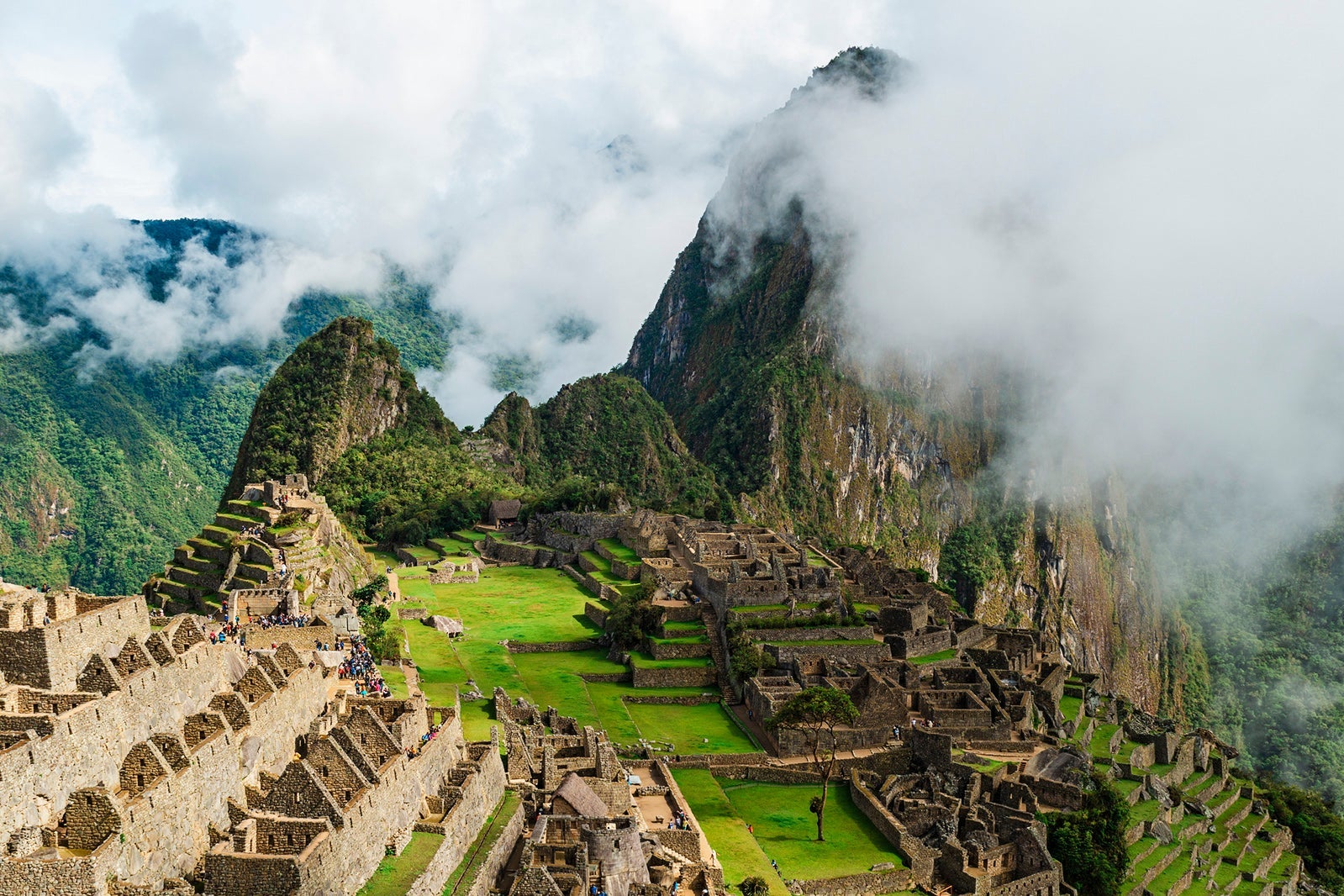
Coastal Ecuador and northern Peru are particularly vulnerable to torrential rains and severe flooding. During historical super El Niño events, Peru’s typically arid northern coastline—accustomed to receiving less than an inch of annual rainfall—was battered by massive downpours that washed out critical roads and severed bridge connections. Even further south, transit corridors leading toward cultural hubs like Lima and Machu Picchu have already experienced localized disruptions due to mudslides and rising waters linked to the current weather cycle.
Travelers considering journeys to these areas in the immediate future should monitor local advisories closely, maintain flexibility, and prepare for potential transit interruptions.
Asia
Across South and Southeast Asia, El Niño generally correlates with weaker monsoon seasons, yielding sunnier skies and highly appealing beach weather in popular destinations like Bali, Thailand, and the Philippines. However, this increased sunshine comes with a serious environmental trade-off: an elevated risk of prolonged dry spells, agricultural stress, and severe wildfires. Past super El Niño cycles contributed to extensive haze, low air quality, and severe droughts across the region, impacting visibility and regional air travel.
In Northeast Asia, destinations like Japan are anticipated to receive reduced winter snowfall, while the Korean Peninsula may experience a warmer and wetter winter season, factors that winter sports enthusiasts should carefully weigh when booking regional ski getaways.
Africa
Safari planners must also factor El Niño into their long-range itineraries, as the phenomenon exerts a heavy hand across the African continent.
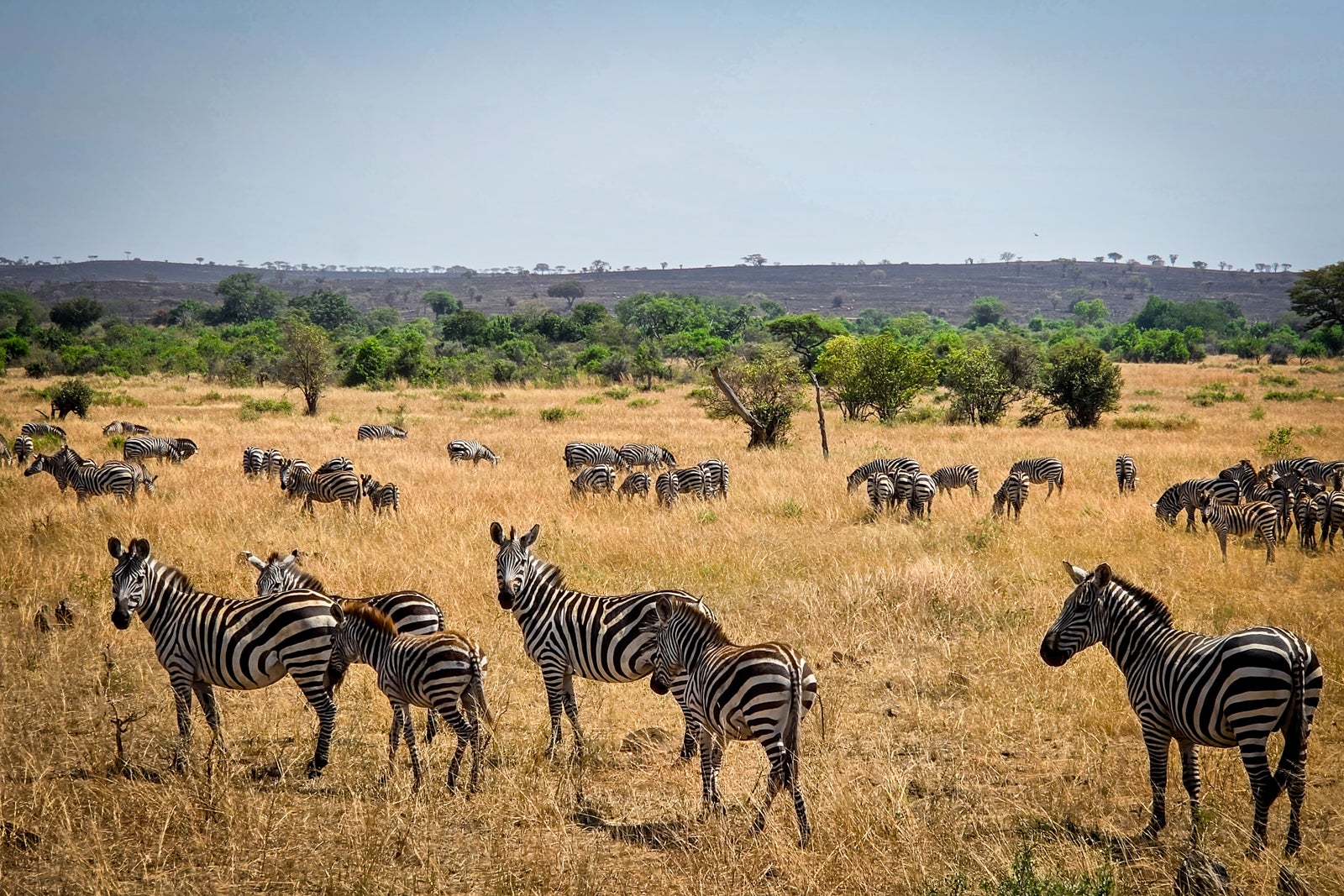
In East Africa, El Niño frequently triggers heavier-than-normal "short rains" between October and December. While these downpours can occasionally render dirt roads impassable and temporarily shut down remote bush airstrips, they also transform regional landscapes into breathtaking, emerald-green grasslands while attracting vast flocks of migratory birds. Iconic safari circuits in countries like Kenya and Tanzania have previously experienced infrastructure damage, including compromised roadways and washed-out bridges, during intense El Niño years.
Meanwhile, southern African tourism hotspots, including South Africa and Botswana, tend to experience drier conditions under El Niño. While drought can reduce water levels at major natural attractions like Victoria Falls and necessitate water conservation measures at safari lodges, it can simultaneously concentrate wildlife around dwindling watering holes, paradoxically making certain animal sightings easier for safari-goers.
Australia
Because elevated ocean temperatures serve as a foundational element of El Niño, the climate pattern frequently correlates with severe marine heatwaves and mass coral reef bleaching events.
Historic cycles have previously triggered widespread global coral bleaching, and marine scientists warn that aquatic environments like the Great Barrier Reef will likely face thermal stress as the current event progresses. Conservationists and mindful travelers often weigh these environmental strains when planning underwater excursions, balancing the desire to witness marine ecosystems with the need to minimize human pressure on stressed coral habitats.
On land, El Niño typically ushers in drought conditions across New South Wales, Queensland, and interior Australia. These dry spells significantly elevate the risk of bushfires during the continent’s summer months, frequently resulting in widespread smoke haze, compromised air quality, and subsequent disruptions to domestic and international transport networks.

Europe
While Europe is geographically insulated from the immediate oceanic shifts of the Pacific Ocean, El Niño plays a role in driving broader global air temperature anomalies by releasing substantial amounts of stored ocean heat into the atmosphere. This dynamic has contributed heavily to record-breaking summer heatwaves across the continent, a trend that climatologists expect to persist.
As European destinations grapple with increasingly intense summer temperatures, travelers are increasingly shifting their travel strategies. Many are opting to visit the continent during the shoulder seasons of spring and autumn to beat the dangerous heat, enjoy lower prices, and navigate thinner crowds, or are actively seeking out cooler northern alternatives.
Preparing for the Unexpected
El Niño does not guarantee that any specific extreme weather event will occur at a given destination; rather, it meaningfully shifts the statistical probabilities. Understanding these historical correlations allows travelers to make informed decisions about when and where to take their trips.
The overarching reality of traveling during a super El Niño year is the imperative to expect the unexpected. The heightened probability of severe and unpredictable weather means that logistical disruptions remain a constant baseline risk. Experienced travelers lean heavily on comprehensive trip insurance to mitigate potential financial losses arising from cancellations, weather delays, or emergency evacuations. Policies that include flexible provisions, such as cancel-for-any-reason clauses, provide an additional layer of security, provided they are purchased within the strict time windows required by insurers.
Beyond financial protection, maintaining situational awareness remains vital. Registering international travel plans through official government enrollment programs ensures timely alerts regarding developing weather emergencies and regional advisories. Furthermore, because shifting climate patterns can influence the spread of water- and vector-borne illnesses—such as historic surges of mosquito-borne diseases following past Pacific warming events—consulting a travel health specialist well in advance of departure is strongly advised to secure necessary vaccinations and preventative medications.
Ultimately, while this year’s El Niño introduces complex variables to international travel, it does not mean explorers must abandon their plans. Armed with an understanding of regional climate impacts and a commitment to flexible preparation, travelers can navigate the months ahead with confidence.