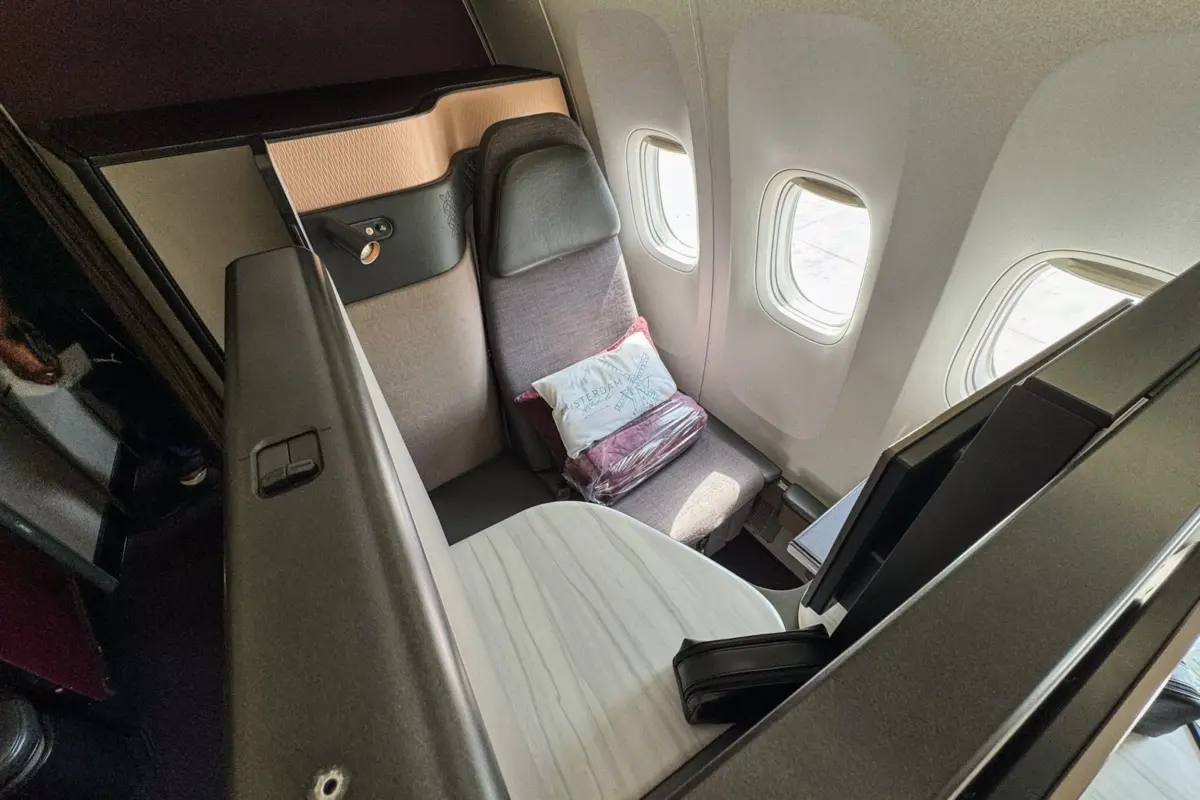
For travel enthusiasts and frequent flyers alike, the secret to unlocking luxury travel without breaking the bank lies in transferable credit card points and miles. Rather than being locked into a single airline or hotel loyalty program, savvy travelers utilize flexible rewards currencies that can be transferred across a wide ecosystem of partners. This adaptability provides a powerful safety net against sudden partner devaluations and award seat shortages, ensuring that hard-earned points and miles retain their maximum utility when planning a vacation.
The core advantage of transferable rewards is versatility. When booking a trip, if award space is unavailable with one carrier, travelers can easily pivot and check partner availability across dozens of alternative options before initiating a transfer. Similarly, if a specific loyalty program unexpectedly devalues its currency overnight, members who keep their rewards in a flexible bank account can simply direct their next transfer elsewhere. However, with dozens of airline and hotel transfer options available across multiple major financial issuers, keeping track of every ratio, partner, and optimal redemption can quickly become overwhelming.
Best Credit Cards for Flexible Transfer Partners
Building a robust balance of transferable points and miles starts in the wallet, as the market features a variety of credit cards tailored to different spending habits and travel goals. Major financial issuers including American Express, Bilt Rewards, Capital One, Chase, Citi, and Wells Fargo all offer specialized products designed to accumulate these valuable flexible currencies. Transitioning from traditional cash-back rewards to a points-and-miles strategy is a common milestone for frequent travelers looking to extract outsized value from their everyday spending.
Airline Transfer Partners
Airline transfer partners represent some of the most lucrative ways to book premium cabin flights, from business class lie-flat seats to first-class suites. Most major bank currencies allow travelers to move points instantly or near-instantly to prominent global carriers, though specific rules and ratios apply depending on the issuer and the cardholder’s account tier.
For instance, Citi ThankYou Rewards points transfer at a favorable one-to-one ratio when paired with select premium cards like the Citi Prestige Card, the Citi Strata Elite Card, and the Citi Strata Premier Card. Rewards earned on standard, non-premium Citi cards typically transfer at a reduced ratio of one to zero point seven, highlighting the importance of holding the correct portfolio of products to maximize value.
Beyond direct bank transfers, hotel currencies also play a role in airline strategies. Travelers can convert Marriott Bonvoy points into miles for nearly all major airline partners at a standard ratio of three Bonvoy points to one airline mile. Furthermore, Marriott awards a bonus of five thousand additional miles for every sixty thousand points transferred, with exceptions such as American Airlines AAdvantage, Avianca LifeMiles, and Delta SkyMiles. United MileagePlus goes a step further by offering ten thousand bonus miles for every sixty thousand Bonvoy points transferred, providing an alternative route for travelers looking to top off their airline accounts.

Hotel Transfer Partners
While airline transfers often capture the spotlight for high-value redemptions, hotel transfer partners offer essential flexibility for ground accommodations. Programs like World of Hyatt remain prized among points collectors due to high-value redemptions and partnerships with luxury portfolios like Mr. and Mrs. Smith and Small Luxury Hotels of the World.
Transfer ratios and timelines for hotel partners mirror those of airlines, with the vast majority of transfers executing instantaneously. However, cardholders must pay close attention to impending structural shifts within major programs. For example, World of Hyatt transfers remain one-to-one for cardholders of the Chase Sapphire Reserve and Chase Sapphire Reserve for Business. Meanwhile, adjustments slated for the Chase Sapphire Preferred Card and the Ink Business Preferred Credit Card establish a revised four-to-three transfer rate for new applicants and existing cardholders depending on the rollout schedule, reinforcing the need to stay informed on program terms and conditions.
How to Earn Transferable Points and Miles
Maximizing flexible rewards requires understanding the distinct ecosystems offered by each major credit card issuer. Each program features unique strengths, distinct transfer partner lists, and specific card products designed to accelerate point accumulation.
American Express Membership Rewards stand out as one of the most flexible currencies in the industry, supported by a massive lineup of popular travel and lifestyle credit cards. Amex cardholders can transfer their points to seventeen different airlines and three hotel partners, with program favorites including Air France-KLM Flying Blue, British Airways Executive Club, and Delta SkyMiles. Additionally, members can boost their Amex balances by utilizing shopping portals like Rakuten and setting their earning preference directly to Membership Rewards points instead of cash back.
Bilt Rewards offers a unique value proposition, enabling members to earn points on everyday spending and even rent payments without incurring traditional transaction fees. The Bilt ecosystem features eighteen airline partners and five hotel partners, with standouts like Atmos Rewards and World of Hyatt providing exceptional redemption value. Notably, consumers do not necessarily need a Bilt credit card to participate; members can join the loyalty program, link external payment cards, and earn points through everyday activities such as dining at participating restaurants.
Capital One miles have evolved into a major contender in the travel rewards space, supported by flexible personal and business cards that earn a flat rate on all purchases. Capital One miles transfer seamlessly to more than fifteen loyalty program partners. Frequent travelers frequently leverage these partnerships to book award travel through programs like Air France-KLM Flying Blue, Singapore Airlines KrisFlyer, and Virgin Red.

Chase Ultimate Rewards points remain a gold standard for many rewards enthusiasts due to the simplicity and high value of partners like Air Canada Aeroplan, United MileagePlus, and World of Hyatt. Chase cardholders can easily combine rewards earned across multiple products, allowing individuals to funnel cash-back earnings from cards like the Chase Freedom Flex and Chase Freedom Unlimited into a primary account with a transferable Ultimate Rewards card, effectively converting cash back into fully functional travel points. Chase points transfer to ten airline and four hotel loyalty programs.
Citi ThankYou Rewards operate similarly, allowing cardholders to consolidate points into a single account to unlock optimal transfer ratios. Citi points transfer to fifteen airlines and five hotel loyalty programs, featuring high-profile partners such as American Airlines AAdvantage and Wyndham Rewards. Cardholders who do not maintain a premium Citi card are subject to a lower transfer ratio, making card selection a critical strategy for maximizing the currency.
Wells Fargo Rewards has also entered the flexible rewards landscape, offering transferable points on select credit cards. Wells Fargo points can be moved to eight airline partners and one hotel program, with prominent highlights including Air France-KLM Flying Blue, British Airways Club, and Iberia Plus, expanding options for travelers looking beyond traditional legacy issuers.
Ultimately, mastering transferable points and miles provides a distinct advantage over collecting static rewards tied to a single brand. By maintaining flexibility and understanding the nuances of each issuer’s transfer partners, ratios, and timelines, travelers can continually adapt to industry changes and secure the best possible value for their next journey.