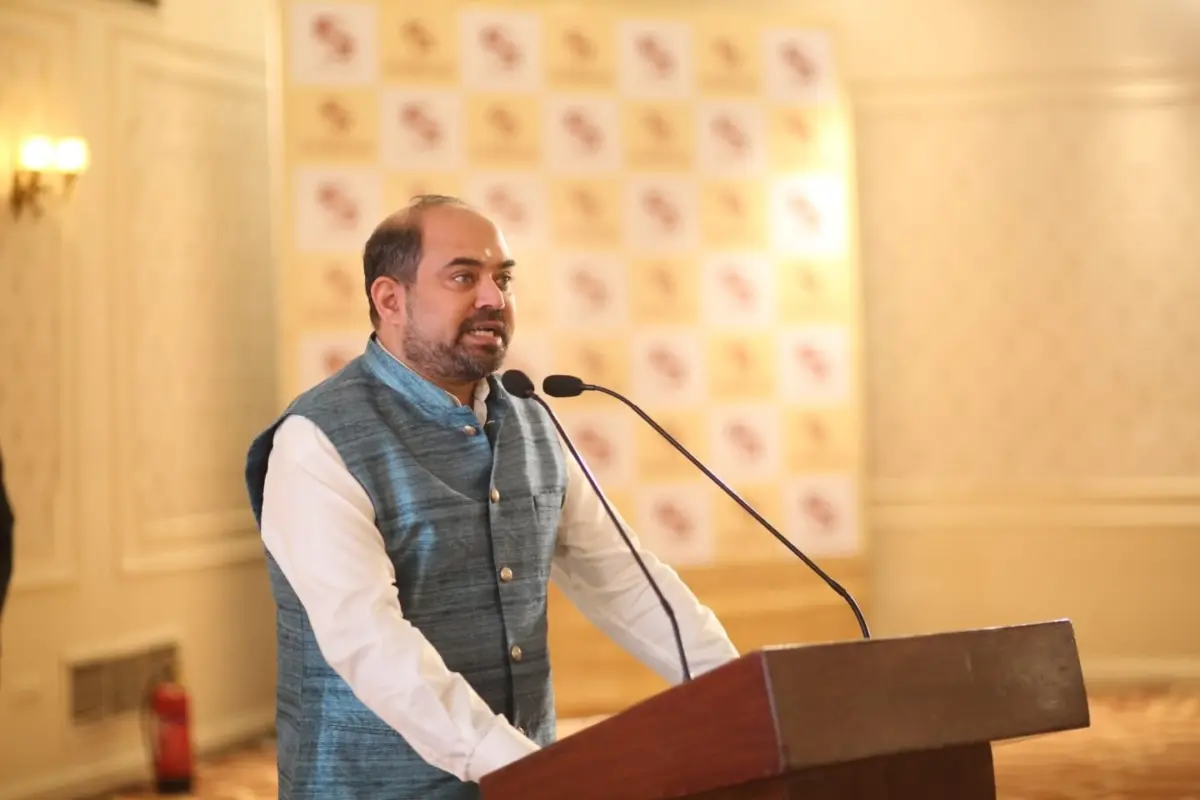
NEW DELHI — Addressing a gathering of diplomats, academics, and global leaders at the Symbiosis International Annual Dinner in New Delhi, Dr Ramakrishnan Raman, Vice Chancellor of Symbiosis International (Deemed University), underscored the evolving and critical role that higher education institutions must play in shaping responsible, technology-ready, and globally minded graduates. As artificial intelligence and rapid technological advancements reshape economies, workplaces, and the fundamental ways knowledge is created and shared, Dr Raman argued that the modern educational paradigm must fundamentally shift.
The central challenge facing universities today, according to Dr Raman, is no longer simply preparing students for existing career paths, but rather equipping them for a rapidly changing world in which many of the most prominent professions and professional roles are yet to emerge. Welcoming the international gathering to the capital, the Vice Chancellor emphasized that in an era defined by profound technological and economic disruptions, the enduring importance of diplomacy, mutual understanding, and international cooperation remains paramount. He described the massive transformations currently underway across global industries as a vital opportunity for universities to strengthen international connections, encourage groundbreaking innovation, and prepare young people for an increasingly interconnected future.
"Education today is not merely about preparing students for jobs that exist; it is about preparing them for careers that may not yet exist," Dr Raman observed during his address, highlighting the urgent need for adaptable skills, critical thinking, and a lifelong commitment to learning.
At Symbiosis International, this forward-looking vision involves deeply integrating artificial intelligence and other emerging technologies into teaching methodologies, academic research, and industry engagement initiatives. However, Dr Raman stressed that true technological adoption must extend far beyond the superficial introduction of new digital tools into traditional classrooms. Instead, educational institutions must ensure that students learn to think critically, solve complex problems, accurately interpret data, and fully understand the profound ethical implications of the technologies they utilize and build.
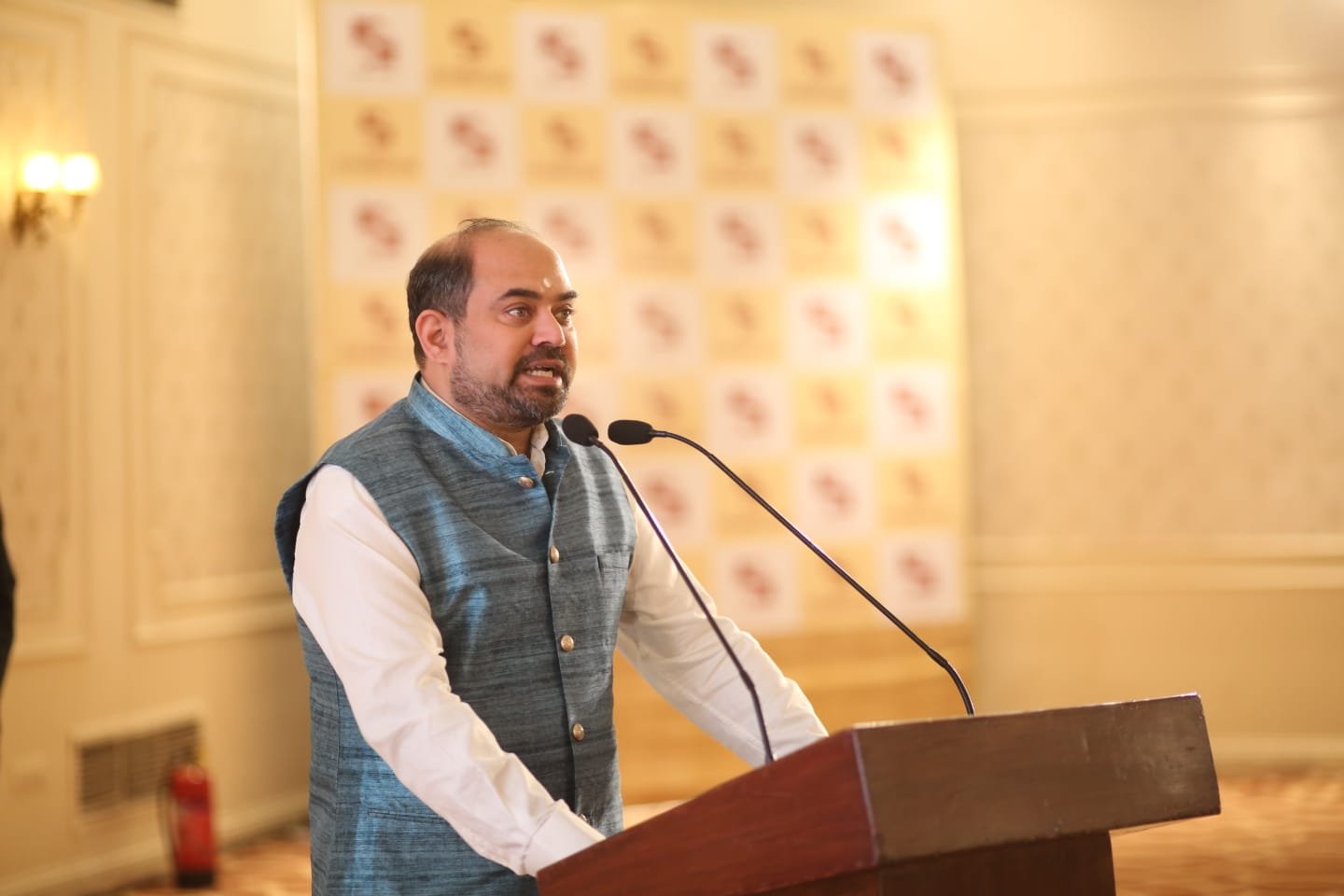
Furthermore, Dr Raman noted that it is equally important to ensure that digital capabilities are developed comprehensively across a wide spectrum of disciplines, including management, law, healthcare, and the humanities. As artificial intelligence increasingly permeates and influences daily professional practice across all sectors, technological literacy must become a shared educational priority rather than remaining the exclusive preserve of specialized technical courses and engineering schools.
Addressing the distinguished international audience, Dr Raman also underscored the indispensable value of cross-border collaboration in navigating this technological epoch. He asserted that universities, governments, and industry stakeholders must work closely together through joint research initiatives, faculty exchanges, student mobility programs, and comprehensive skills development frameworks. By doing so, institutions can effectively draw upon each country’s distinct strengths, cultural perspectives, and technical expertise to foster a more globally cohesive academic ecosystem.
Concluding his remarks, Dr Raman called for a shared future in which technological progress contributes not only to enhanced economic productivity and corporate growth, but also to the creation of more inclusive, resilient, and prosperous societies worldwide.