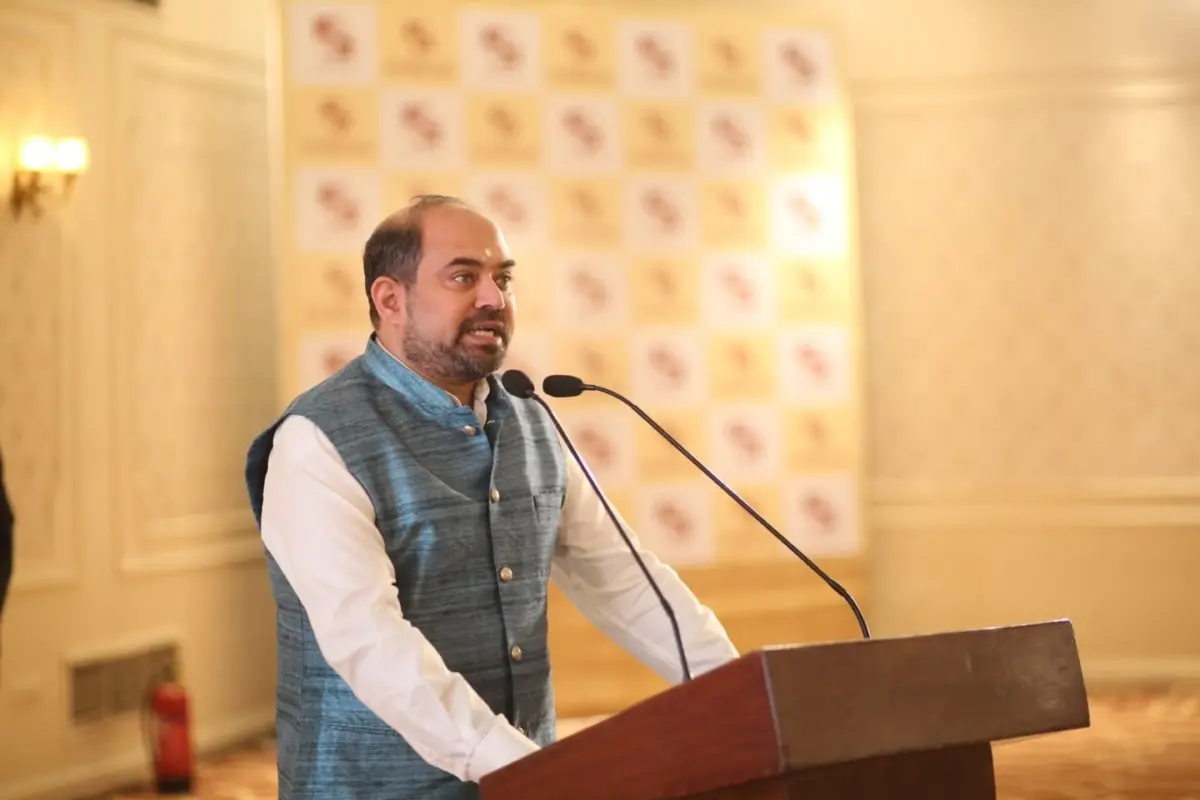
NEW DELHI — Amidst a rapidly shifting global landscape defined by unprecedented technological disruption and evolving economic paradigms, academic leaders are increasingly called upon to rethink the fundamental purpose of higher education. This overarching theme took center stage at the prestigious Symbiosis International Annual Dinner held in the heart of New Delhi, where academic luminaries, diplomats, industry pioneers, and international delegates gathered to deliberate on the future of learning, diplomacy, and global cooperation.
Addressing the distinguished international gathering, Dr Ramakrishnan Raman, Vice Chancellor of Symbiosis International (Deemed University), delivered a compelling address highlighting the critical role that modern universities must play in shaping responsible, technology-ready, and globally minded graduates. As artificial intelligence and automation fundamentally transform economies, workplaces, and the very mechanisms through which knowledge is created and shared, Dr Raman noted that the primary challenge for higher education institutions is no longer simply preparing students for existing career paths. Instead, universities face the far more complex task of equipping young minds for a world in which many of the most prominent professional roles are yet to emerge.
Welcoming the international guests to the capital, Dr Raman emphasized the enduring importance of diplomacy, mutual understanding, and cross-border cooperation. In an era experiencing profound technological acceleration and economic volatility, he argued that human-centric values and international partnerships remain vital anchors. He described the multifaceted transformation currently underway across the global educational ecosystem as a unique opportunity for universities to strengthen international connections, foster grassroots innovation, and prepare the younger generation for an increasingly interconnected future.
Elaborating on the shifting nature of professional preparedness, Dr Raman captured the essence of modern academic philosophy with a striking observation. Education today, he observed, is not merely about preparing students for jobs that currently exist; rather, it is about preparing them for careers that may not yet exist. This profound shift requires a fundamental pivot toward cultivating adaptable skills, interdisciplinary thinking, and a lifelong commitment to learning. In a labor market where specific technical tools can become obsolete within years, the capacity to learn, unlearn, and relearn becomes the ultimate professional asset.
At Symbiosis International, this forward-looking vision translates into a deliberate strategy of integrating artificial intelligence and other emerging technologies directly into teaching methodologies, academic research, and industry engagement initiatives. However, Dr Raman was careful to stress that true technological adoption must extend far beyond the superficial introduction of new digital tools into traditional classrooms. Introducing software or hardware into a lecture hall is insufficient if the underlying pedagogical philosophy remains unchanged. Instead, students must be guided to think critically, solve complex problems, interpret vast arrays of data with discernment, and thoroughly understand the profound ethical implications of the technologies they utilize.
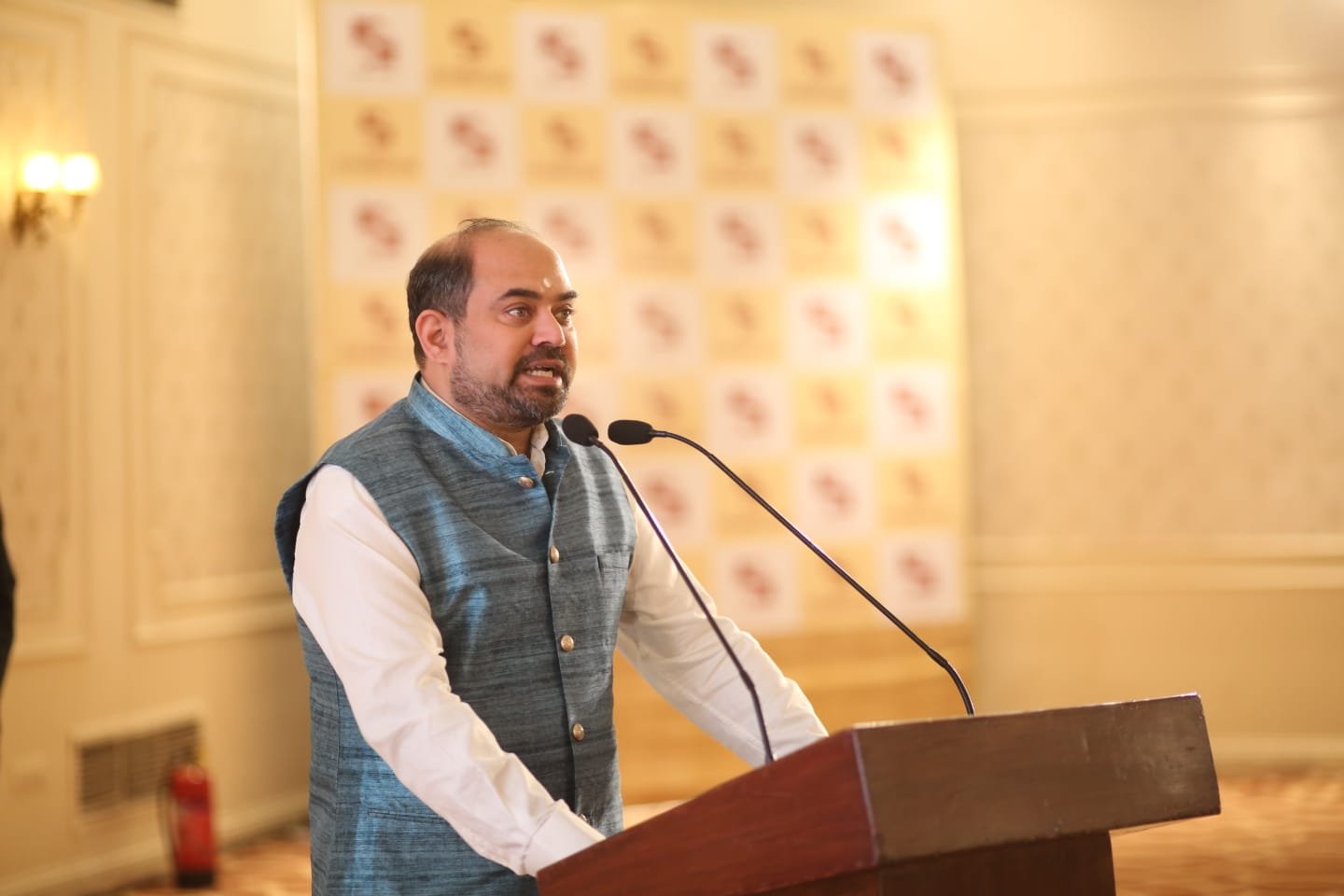
The ethical dimension of technological integration emerged as a central pillar of Dr Raman’s address. As artificial intelligence systems begin to exert a decisive influence over professional practices across nearly every sector, he argued that technological literacy can no longer remain the exclusive preserve of specialized technical courses or engineering departments. Instead, digital and AI capabilities must be deliberately developed across a diverse range of disciplines, encompassing management, law, healthcare, and the humanities. Ensuring that students from non-technical backgrounds are fluent in the realities of digital transformation is essential for creating a workforce capable of governing and directing technology rather than merely reacting to it.
This cross-disciplinary approach reflects the reality of modern workplaces, where legal frameworks must adapt to algorithmic decision-making, healthcare professionals must navigate AI-assisted diagnostics, and business leaders must balance productivity gains with data privacy and social responsibility. By embedding these competencies across the academic spectrum, universities can bridge the historical divide between technical prowess and humanistic inquiry.
Beyond the classroom and the curriculum, Dr Raman placed strong emphasis on the indispensable role of international collaboration in achieving these educational goals. In an interconnected global economy, no single institution or nation holds a monopoly on innovation or educational best practices. Universities, governments, and industry stakeholders must work in close concert through joint research initiatives, faculty exchange programs, student mobility frameworks, and targeted skills development projects. By drawing upon each country’s distinct strengths, cultural perspectives, and technological expertise, the global academic community can construct a more robust framework for addressing shared challenges.
The discussions at the New Delhi gathering underscored that international mobility and academic partnerships are not merely administrative conveniences, but strategic necessities. When students and scholars cross borders to collaborate, they develop the cultural agility and global mindset required to navigate complex geopolitical and economic environments. This international outlook is particularly crucial as businesses expand their operations across multiple jurisdictions and face regulatory, cultural, and technological landscapes that vary widely from region to region.
Concluding his address, Dr Raman issued a broader call to action for the academic and diplomatic communities alike. He urged stakeholders to envision and work toward a future where technological progress contributes not merely to narrow metrics of economic productivity and corporate profit, but actively fosters more inclusive, resilient, and prosperous societies. Technology, in his view, must ultimately serve human flourishing, reducing systemic inequalities and expanding access to opportunity rather than exacerbating divides.
The Symbiosis International Annual Dinner thus served as a vital forum for dialogue, bridging the gap between higher education and the fast-approaching realities of the future economy. Through thoughtful engagement, strategic international partnerships, and a renewed commitment to ethical, adaptable learning, institutions like Symbiosis International continue to position themselves at the forefront of the educational transformation sweeping across India and the wider global community.