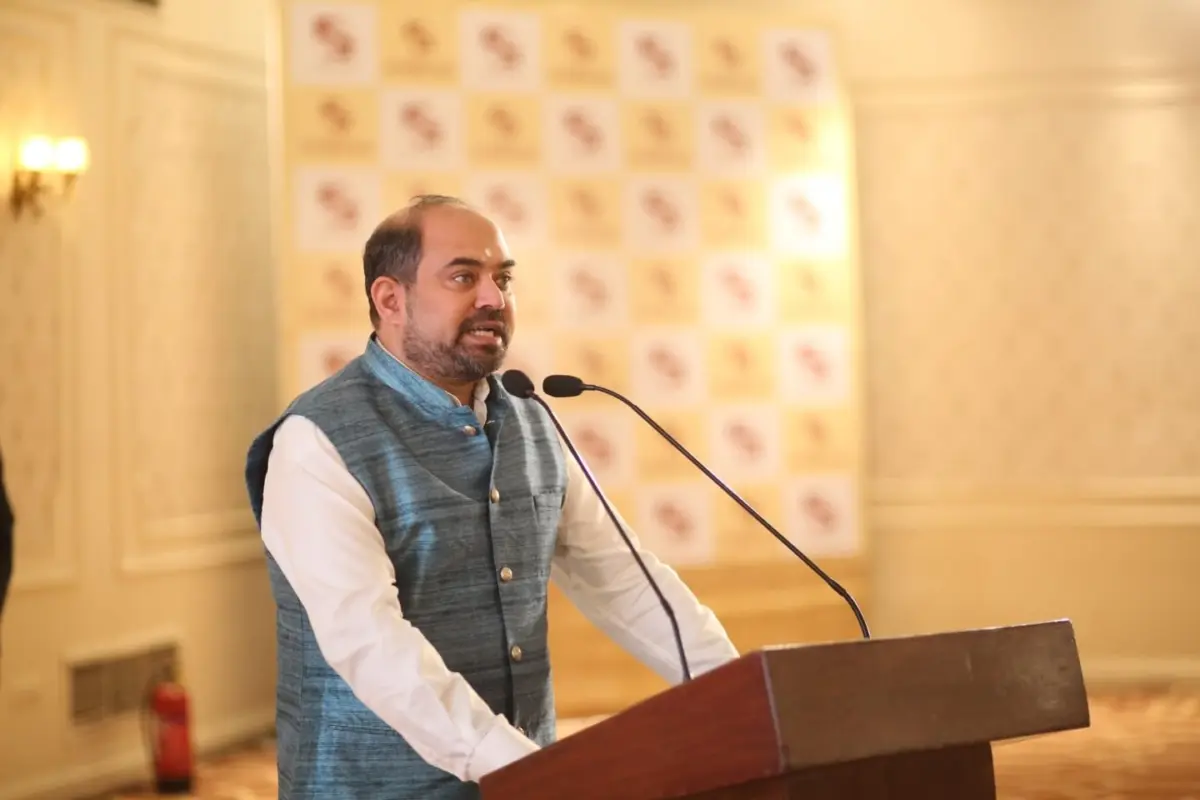
NEW DELHI — Amid a rapidly shifting global landscape defined by unprecedented technological disruption and evolving economic paradigms, higher education institutions must fundamentally rethink their mission to prepare students for an uncertain tomorrow. This was the central message delivered by Dr Ramakrishnan Raman, Vice Chancellor of Symbiosis International (Deemed University), during his address at the prestigious Symbiosis International Annual Dinner held in New Delhi. Addressing a distinguished gathering of diplomats, academics, industry leaders, and international stakeholders, Dr Raman underscored the critical responsibility universities bear in shaping a generation of graduates who are not only technologically proficient and globally minded but also deeply grounded in ethical responsibility.
The annual gathering served as a high-level forum for discussing the intersection of education, international diplomacy, and technological transformation. As artificial intelligence and automation continue to reshape economies, workplaces, and the fundamental frameworks through which knowledge is created and disseminated, higher education is facing a profound operational challenge. According to Dr Raman, the traditional academic mandate of preparing students for existing career tracks is no longer sufficient. Instead, universities are confronted with the daunting task of equipping learners for a dynamic professional world where many of the most prominent jobs and specialized roles have not yet been invented.
Welcoming the international delegates and dignitaries to the capital, Dr Raman emphasized that diplomacy, mutual understanding, and cross-border cooperation remain enduring pillars in a world experiencing rapid economic and technological turbulence. He noted that the sweeping transformations currently underway should not be viewed merely as disruptions, but rather as vital opportunities for academic institutions to forge stronger international connections, foster grassroots and institutional innovation, and prepare young people to navigate an increasingly interconnected global society.
Expounding on this forward-looking vision, Dr Raman articulated a philosophy that resonates deeply with modern educational demands. Education today, he observed, is not merely about preparing students for jobs that currently exist; rather, it is about preparing them for careers that may not yet exist. This paradigm shift requires an educational ecosystem that prioritizes adaptable skills, critical thinking, and a lifelong commitment to learning over rote memorization and rigid specialization.
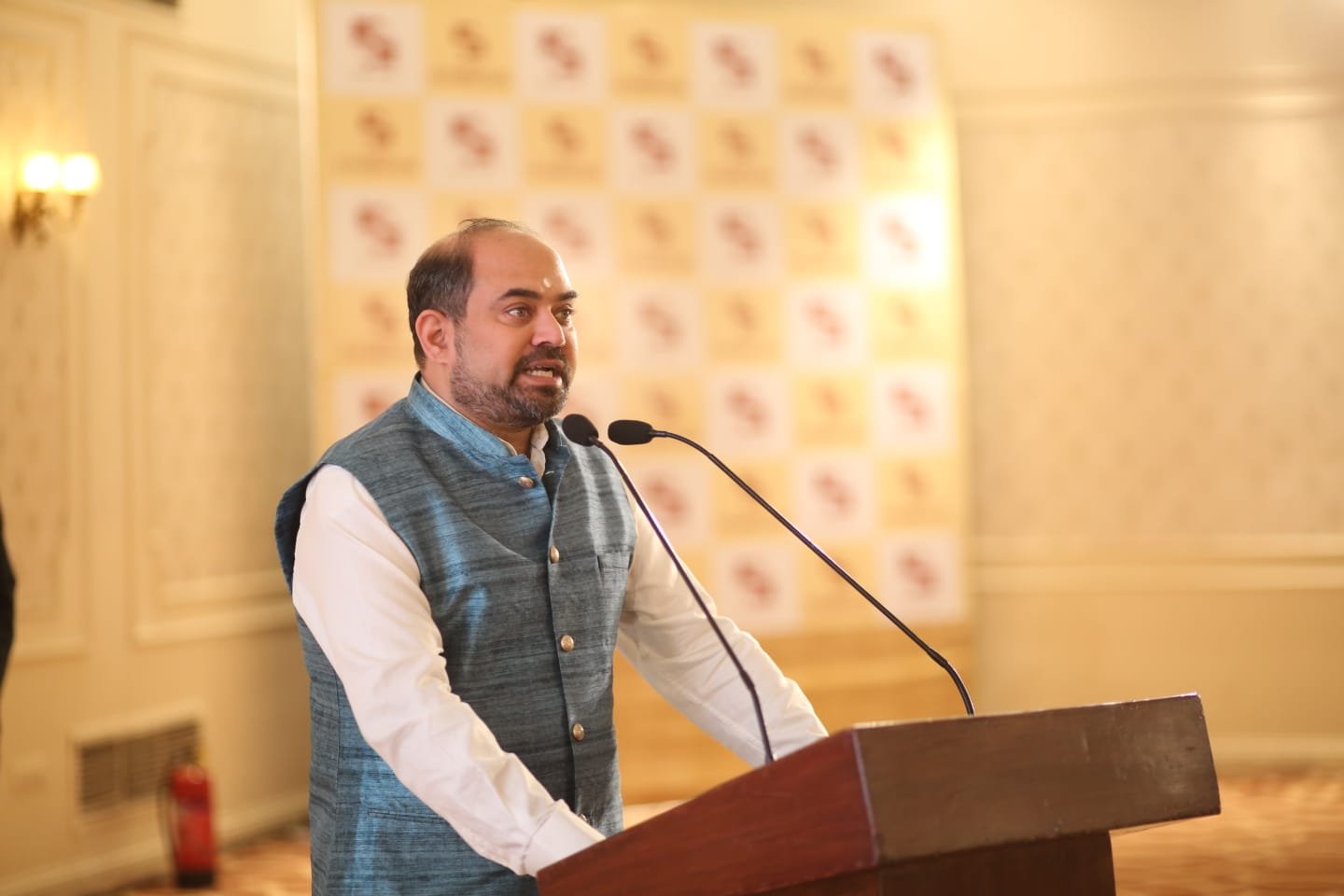
At Symbiosis International, this ambitious vision is being operationalized through the systematic integration of artificial intelligence and emerging technologies across multiple facets of university life, including classroom teaching, advanced research initiatives, and strategic industry engagement. However, Dr Raman was careful to stress that technological adoption must go far beyond the superficial introduction of new digital tools into traditional lecture halls. True educational preparedness requires that students learn how to think critically, solve complex real-world problems, interpret vast arrays of data, and comprehend the profound ethical implications associated with rapid technological deployment.
In an era where algorithmic decision-making and automated systems influence nearly every sector, Dr Raman argued that digital capabilities must be deliberately developed across a diverse array of academic disciplines. This interdisciplinary approach ensures that technological literacy is not confined exclusively to specialized technical and engineering courses, but is actively integrated into management, law, healthcare, and the humanities. As artificial intelligence continues to permeate professional practice across all industries, understanding its capabilities and limitations must become a shared educational priority for institutions worldwide.
The discussion also heavily featured the indispensable role of international collaboration in navigating the future of education. Dr Raman underscored that universities, national governments, and private sector industries must work in close concert to address global challenges. This collaborative ethos can be effectively manifested through joint research ventures, faculty exchange programs, student mobility initiatives, and comprehensive skills development frameworks that draw upon the distinct strengths, cultural contexts, and unique expertise of each participating country. By pooling international resources and knowledge, academic institutions can better address the complex demands of the modern global economy.
Concluding his address at the New Delhi gathering, Dr Raman issued a compelling call to action for the academic and diplomatic communities. He urged stakeholders to envision and work toward a future where technological progress serves a higher purpose than mere economic productivity and efficiency. Instead, technological advancement must contribute actively to the creation of more inclusive, resilient, and prosperous societies worldwide, ensuring that the benefits of innovation are shared equitably across borders and communities.