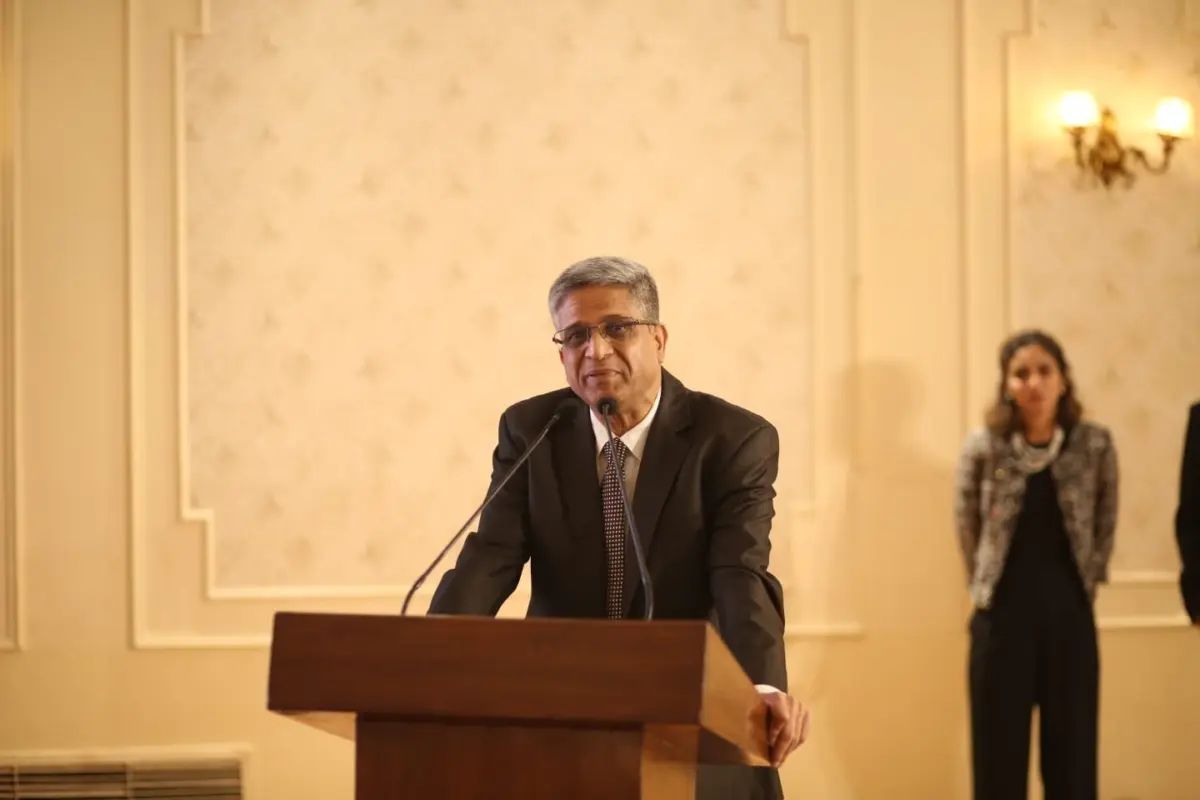
NEW DELHI — In an address highlighting the evolving intersection of education, diplomacy, and public health, Dr Rajiv Yeravdekar, Provost of the Faculty of Medical and Health Sciences at Symbiosis International University, set out the institution’s expanding footprint in healthcare delivery, professional training, and mental health advocacy. Speaking before an assemblage of ambassadors, foreign diplomats, and distinguished dignitaries at the Symbiosis International Annual Dinner in New Delhi, Dr Yeravdekar articulated a comprehensive vision for how modern academic institutions can directly address systemic shortfalls in global healthcare.
The annual gathering, which serves as a key platform for fostering dialogue between the academic community and the international diplomatic corps, provided a fitting backdrop for the discussion. Dr Yeravdekar used the platform to underscore a fundamental philosophy that has increasingly guided the university’s strategic trajectory: that healthcare is not merely a mechanism for treating illness, but a holistic endeavor focused on building the knowledge, skills, and institutional frameworks that enable entire societies to lead healthier, more resilient lives.
Tracing the institutional evolution of Symbiosis, Dr Yeravdekar reminded the distinguished audience of the university’s origins. Originally established as a modest educational initiative designed to support international students and foster cross-cultural educational exchange, Symbiosis has steadily transformed over the decades into a sprawling multidisciplinary university. In recent years, this growth has been matched by a deepening commitment to the medical sciences, specialized healthcare education, and rigorous scientific research.
According to Dr Yeravdekar, these multifaceted healthcare initiatives are not isolated academic programs; rather, they reflect a broader corporate and social responsibility. The university’s overarching goal is twofold: to provide accessible, high-quality medical services to communities that need them most, while simultaneously developing the highly skilled professionals required to strengthen fragile healthcare systems both within India and across the developing world.
At the core of this medical expansion is the Symbiosis University Hospital and Research Centre (SUHRC), situated in Lavale, Pune. Dr Yeravdekar focused a significant portion of his remarks on the sprawling 900-bed tertiary-care facility, which was meticulously conceived from its inception to bridge the traditional gap between clinical healthcare delivery, academic teaching, rigorous training, and advanced research. The hospital’s steadfast emphasis on evidence-based medicine and affordable treatment modalities serves as a tangible manifestation of the university’s wider commitment to extending quality healthcare beyond conventional institutional boundaries and into the wider community.
Furthermore, Dr Yeravdekar highlighted the hospital’s increasingly prominent international profile, noting that SUHRC actively serves patients not only from across India but also from foreign shores, including a significant contingent of individuals from various African nations. As international relations evolve, he suggested that access to affordable, world-class medical care could and should become an important dimension of international cooperation. This clinical outreach effectively complements the long-standing educational exchanges and international student programs for which Symbiosis has been globally recognized for many years.
"The focus is not just on providing healthcare, but also on teaching, training, and capacity building," Dr Yeravdekar emphasized during his address, drawing the rapt attention of the diplomatic audience to the pressing need for sustainable healthcare expertise alongside routine clinical services. He explained that the very designation of the facility as a university hospital and research centre is a deliberate reflection of this integrated approach. In Dr Yeravdekar’s view, medical treatment, professional education, and scientific inquiry cannot exist in isolation; they must constantly reinforce one another if healthcare delivery is to become truly effective, sustainable, and responsive to the complex, shifting needs of modern society.
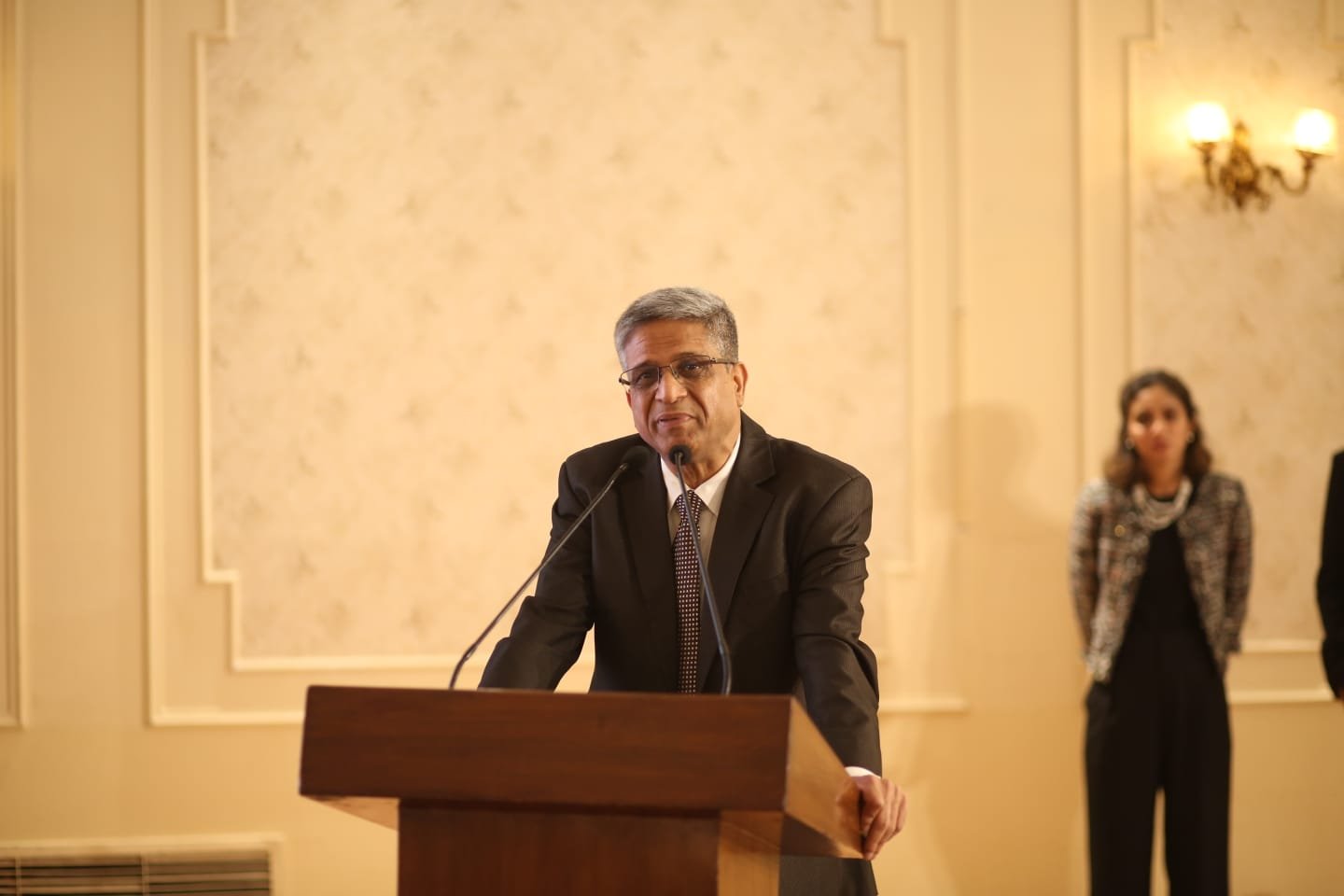
A central theme of the Provost’s address was the persistent global crisis surrounding healthcare workforce shortages. A distinct lack of appropriately trained healthcare professionals remains one of the most formidable challenges facing national health systems worldwide. Dr Yeravdekar stressed that addressing this systemic gap requires a much broader and more inclusive understanding of the healthcare workforce—one that extends far beyond the traditional roles of doctors and nurses.
Building a robust healthcare ecosystem, he argued, requires the active cultivation of allied health professionals, specialized medical technologists, clinical dietitians, nutrition specialists, and a wide array of other skilled clinical practitioners. For an institution like Symbiosis, developing this diverse workforce is simultaneously treated as an urgent educational priority and a profound social responsibility. By diversifying training programs, the university aims to supply the medical sector with professionals equipped to handle the multifaceted demands of contemporary patient care.
Beyond physical health and clinical infrastructure, Dr Yeravdekar directed his remarks toward another critical pillar of modern wellness: mental health. He cautioned the audience that the unrelenting pressures of modern life, when combined with rapidly growing and often unmet mental health needs, require a significantly wider network of professionally trained practitioners and accessible support services.
Expressing deep concern over current societal metrics, he pointed out that the availability of qualified psychiatrists and other specialized mental-health professionals remains woefully insufficient to meet the rising tide of societal demand. Bridging this wide gap, he argued, requires a comprehensive multidisciplinary approach. This strategy must involve not only psychiatrists and clinical medical professionals, but also school counsellors, social workers, and other appropriately trained practitioners who can form a reliable safety net for vulnerable populations.
Dr Yeravdekar noted that the need for robust mental health support is particularly pressing among young people. Today’s students are routinely forced to navigate intense academic expectations, complex social pressures, and an increasingly demanding, fast-paced world that can easily take a heavy psychological toll. Because of this reality, educational institutions carry a heavy burden of responsibility. They must play an active, proactive role in creating supportive environments that destigmatize psychological struggles and ensure that students can readily access appropriate mental-health assistance whenever they require it.
Demonstrating that Symbiosis has actively translated these principles into institutional practice, Dr Yeravdekar highlighted how the university has successfully incorporated student wellbeing into its wider health-promoting operational framework. A key component of this initiative is the specialized Symbiosis Centre for Emotional Wellbeing, which provides targeted resources, counselling, and psychological support tailored to the unique needs of the student body.
As the evening concluded, the address left the assembled diplomats and international guests with a clear impression of an Indian institution expanding its academic and humanitarian horizons. By intertwining clinical excellence, international medical cooperation, comprehensive workforce training, and proactive mental health initiatives, Symbiosis International continues to position itself as a forward-thinking contributor to the global public health landscape.