The UK Cabinet Office has rolled out a significant enhancement to the Find a Tender Service (FTS), introducing a new summarised search functionality designed to make public procurement data vastly more accessible and easier to navigate. The update represents a notable step forward for the digital platform, which has served as the definitive central record for all public sector procurement across the United Kingdom following the implementation of the landmark 2023 Procurement Act.

Since the introduction of the Procurement Act, the volume and importance of data flowing through the Find a Tender Service have grown exponentially. Government bodies, commercial enterprises, civil society organizations, and prospective suppliers rely on the digital portal to track public spending, identify upcoming business opportunities, and scrutinize government contracts. However, navigating the sheer scale of procurement notices has historically presented challenges for users seeking specific market insights or targeted information. The newly deployed summarised search updates directly address these usability hurdles by organizing data according to distinct practical use cases, including active commercial opportunities, awarded contracts, and broader commercial tools.
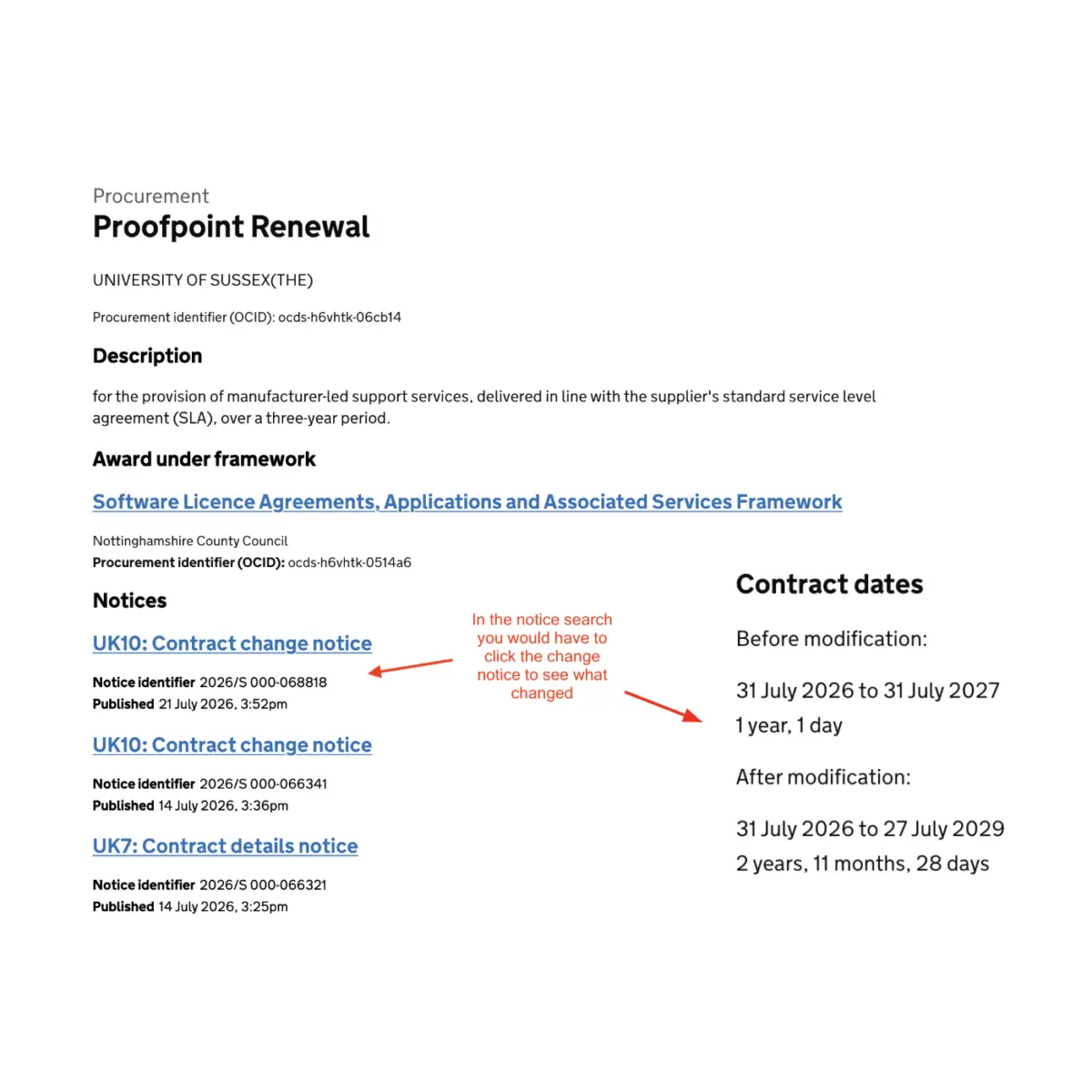
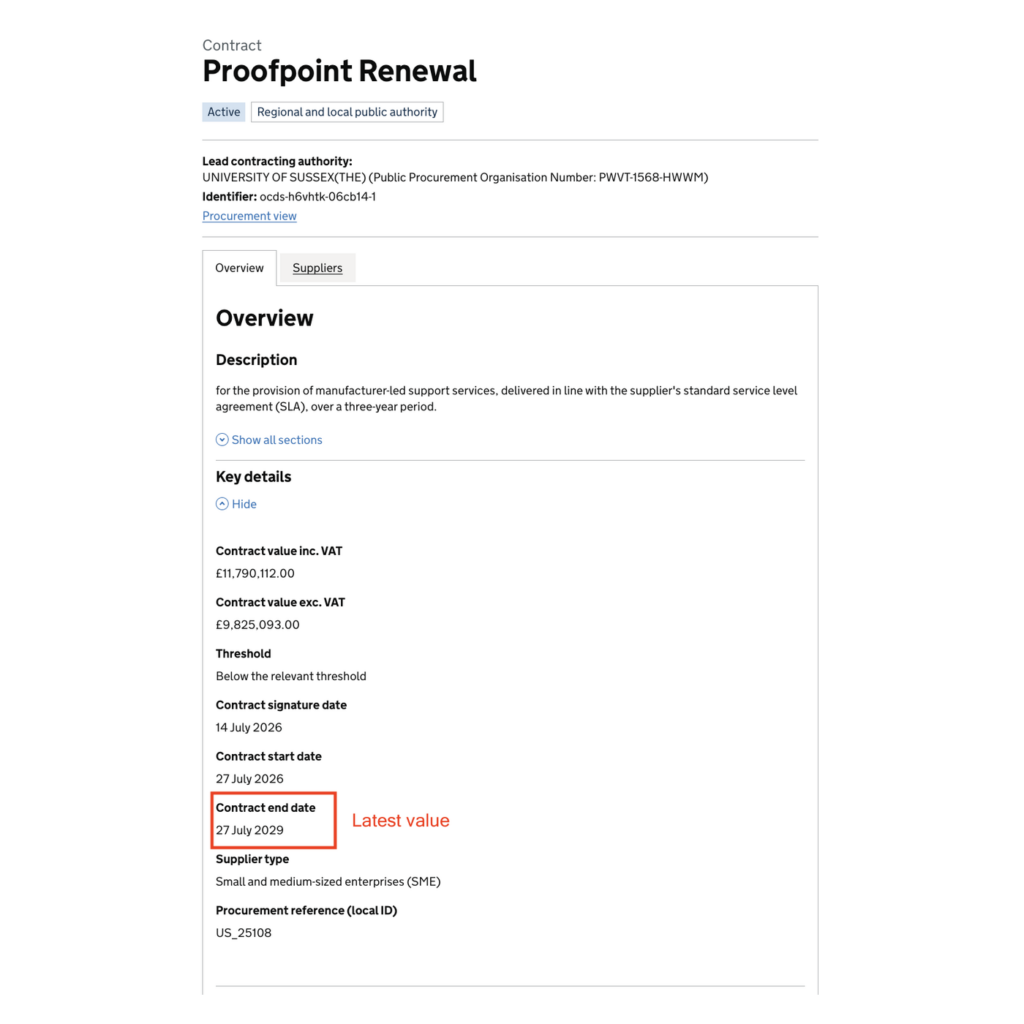
The improvements introduce a more intuitive framework for interacting with the platform’s vast repository of public procurement information. Rather than requiring users to individually click through numerous separate notices to uncover the underlying details, the updated system compiles and summarizes the latest data points cleanly and efficiently. This transition from a fragmented, notice-by-notice investigation process to a consolidated, streamlined search experience marks a welcome evolution in how government transparency data is presented to the public and the private sector alike.
The development team behind the Find a Tender Service engaged with external stakeholders during the design and refinement phases. Observers and policy advocates who closely monitor government transparency and procurement reform have expressed strong support for the direction of the new updates. While the enhancements have been met with immediate enthusiasm, experts emphasize that the rollout is only part of the journey. Ensuring that everyday users—particularly contracting authorities within various government departments and local bodies—are properly introduced to the new features will be vital to maximizing their utility. Continuous feedback loops will also be essential to refine the user experience further and ensure the platform continues to meet the evolving needs of the procurement community.
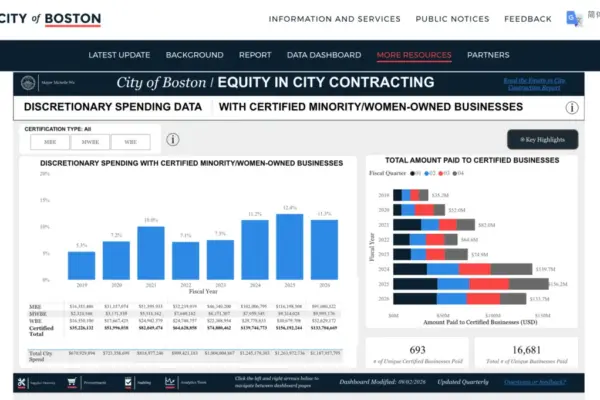
Looking ahead, stakeholders in the transparency and procurement space are already eyeing the next phase of digital evolution for the UK’s public contracting infrastructure. The introduction of advanced data dashboards and comprehensive analytical tools is widely viewed as the logical next step. Such capabilities would empower users to perform wider, market-level analyses on public procurement trends, spending patterns, and supplier performance. Implementing these analytical layers would further cement a performance- and data-driven culture within this critical function of government, ultimately fostering greater competition, efficiency, and accountability across the entire public sector supply chain.