For generations, modern travel has operated on a largely passive and extractive formula. Travelers arrive at a destination, photograph the same iconic landmarks as millions before them, dine at establishments featured in standard guidebooks, and frequent popular local bars. They may book short tours to learn about regional history or culture, and if they are particularly fortunate, they might exchange a few brief words with residents. Yet, this style of travel rarely scratches beneath the surface. Even long-term travelers who pride themselves on not being typical tourists often replicate these same behaviors, albeit at a slower pace and with a tighter budget.
While many travelers idealize the notion of dropping into a foreign culture, instantly befriending locals, and forging cinematic bonds, reality rarely aligns with this fantasy. Travelers are merely passing through, and residents seldom seek out transient visitors for deep friendships. For the most part, everyday interactions between locals and short-term tourists remain minimal.
Achieving a genuine, immersive travel experience requires something fundamentally different: staying put. Truly understanding a destination demands an extended presence. The most transformative journeys often involve contributing to a community and remaining in one place long enough to cultivate authentic relationships, moving away from transient observation toward actual integration.
In recent years, travel advocates have emphasized the importance of giving back to destination communities. Historically, however, finding reputable, vetted organizations that genuinely improved local conditions proved remarkably difficult. Today, specialized companies assist travelers in locating meaningful volunteer assignments as well as paid international employment. Among the prominent names in this sector is Global Work & Travel, an organization that facilitates structured international experiences.
What Global Work & Travel Does
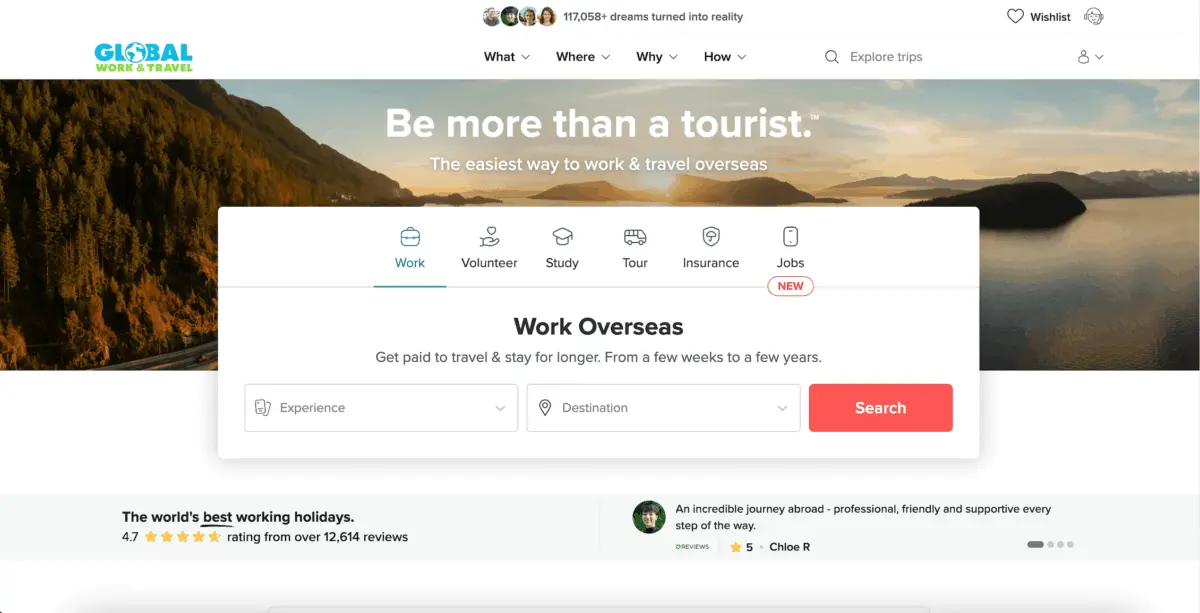
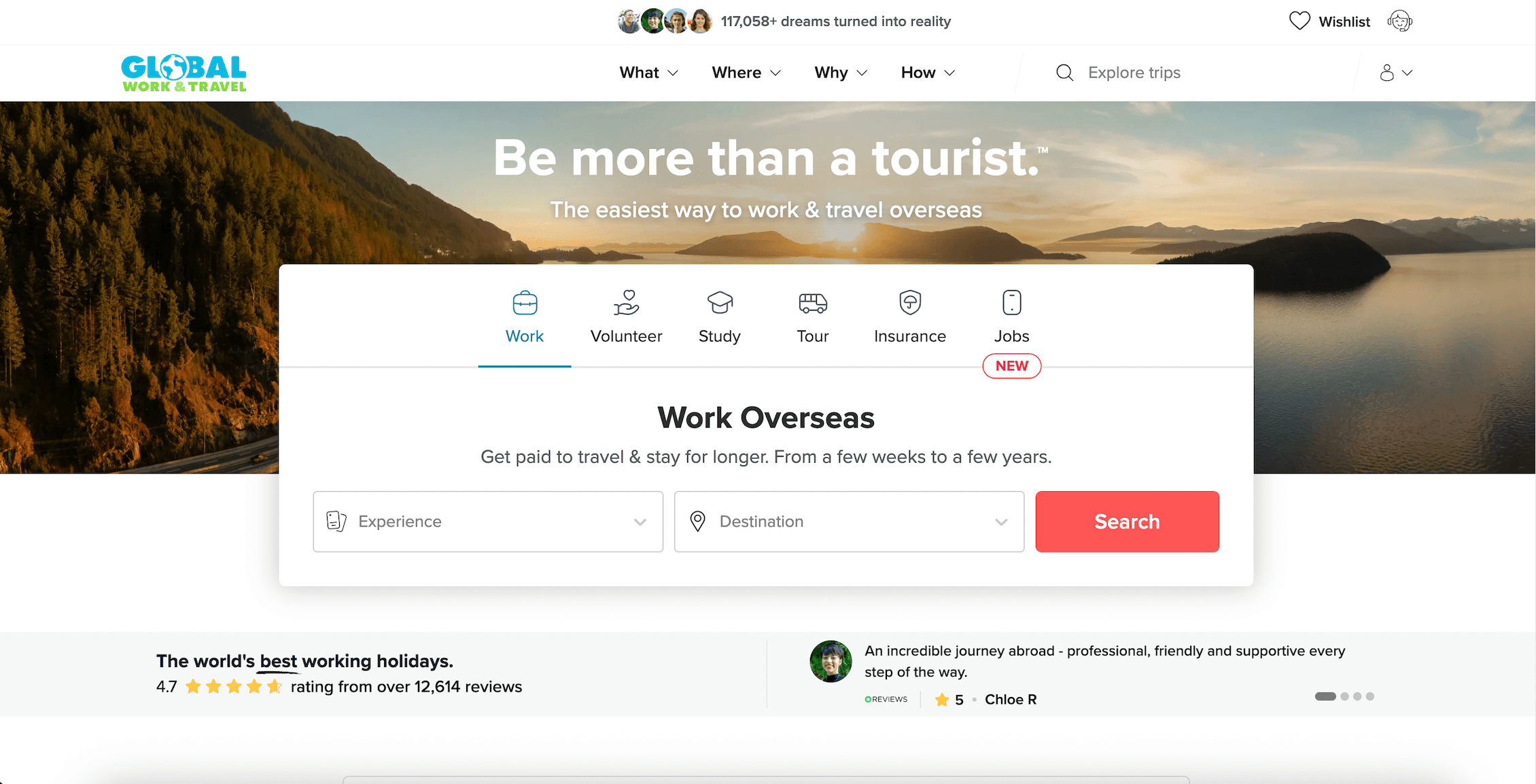
Operating as one of the world’s largest gap year and international mobility organizations, Global Work & Travel has spent nearly two decades placing individuals in working holidays, volunteer programs, teaching positions, and structured internships. Having assisted more than 116,000 participants, the organization covers destinations spanning the United Kingdom, Europe, the Americas, Asia, Africa, and the Pacific.
Even for seasoned travelers, the logistics of moving abroad can be daunting. Securing employment independently, finding permanent housing, avoiding months of cramped shared rooms, managing local transport costs, and navigating competitive job interviews against local residents represent only a fraction of the challenges faced by long-term travelers.
Organizations like Global Work & Travel aim to provide a scaffolding or safety net, removing the necessity of figuring out every logistical detail independently. By managing job matching, pre-departure support, visa guidance, placement coordination, and ongoing assistance via integrated digital management tools, these programs offer a reliable structure. For first-time travelers, this support framework often determines whether an international move materializes or remains an unfulfilled aspiration.
Why Working Holiday Makers Are the New Digital Nomads
Over the past decade, the concept of the "digital nomad" has served as the aspirational pinnacle of long-term travel: working remotely, earning in a strong currency, living in a lower-cost destination, and repeating the cycle.
However, this lifestyle model remains viable for only a narrow demographic. It requires a remote-compatible occupation, a reliable income threshold, and a degree of career stability that younger or novice travelers frequently lack.
Working holidays invert this traditional formula. Rather than bringing an external job across international borders, participants secure employment upon arrival. This approach integrates individuals directly into the local economy rather than positioning them above it. Social connections form naturally through workplace environments rather than relying exclusively on coworking spaces or transient hostels, allowing travelers to establish a genuine life rather than a temporary routine.
In many respects, working holiday participants experience a more grounded and accessible version of long-term mobility than the conventional digital nomad lifestyle. Having coworkers, a structured schedule, and a compelling reason to remain in a destination beyond a single week creates genuine opportunities for lasting relationships. Furthermore, this pathway demands neither a pre-established remote business nor years of professional seniority, requiring instead a willingness to travel and an organized support framework.
This shifting preference reflects a broader evolution within the travel community. Interest is gradually moving away from inquiries about remote work logistics toward practical methods for living and working abroad for extended periods. Structured international programs bridge the gap between concept and reality by neutralizing major logistical barriers such as visa navigation and initial job placement.
Why Volunteering Matters
International volunteering carries a complex and occasionally contentious reputation, necessitating a transparent assessment of the industry. Numerous programs fail to deliver substantive community benefits, functioning instead as profit-driven enterprises designed primarily to make travelers feel virtuous without generating measurable local impact. Credible organizations counter this dynamic by rigorously vetting programs across sectors such as wildlife conservation, community development, education, and healthcare.
The case for ethical, structured volunteering rests on direct collaboration. When participants work alongside local communities in regions like Zanzibar on locally prioritized initiatives, contribute to wildlife conservation in South Africa, or support elephant rehabilitation in Thailand, their perspective shifts profoundly. Engaging directly with the genuine needs of local populations and ecosystems fosters a deeper comprehension of regional challenges, expanding participants’ worldviews well beyond traditional tourism. Dedicated animal welfare funds further extend this impact by channeling resources straight into conservation efforts at partner sites.
What Makes Working Holidays Appealing
Working holidays transform standard tourism into an immersive lifestyle. By living locally on a daily basis, participants engage deeply with regional cultures and forge enduring connections with both residents and fellow travelers. Earning local income makes extended stays financially viable, replacing rushed itineraries with opportunities to uncover hidden locations and understand daily routines.
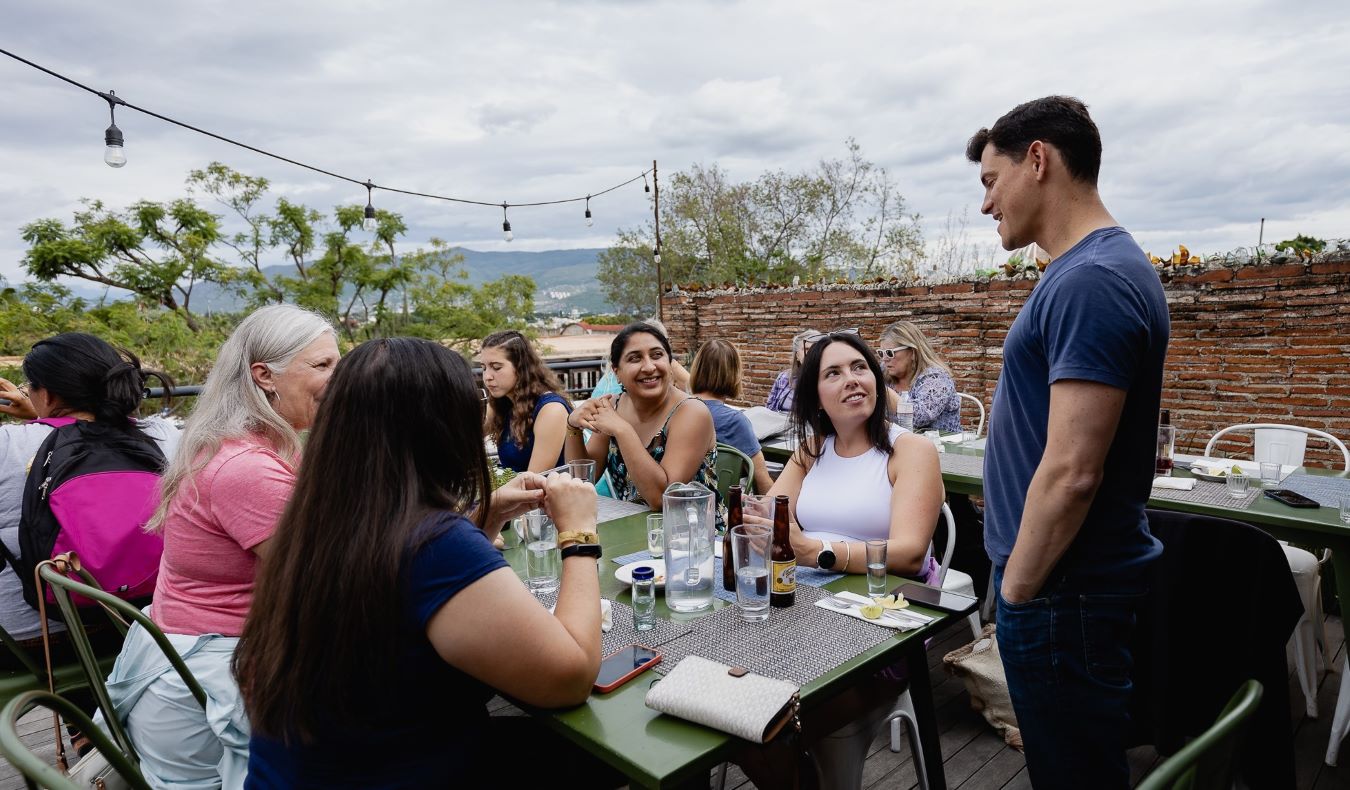
Beyond cultural immersion, these programs allow participants to acquire professional skills, enhance their resumes with international credentials, and offset travel expenses. The resulting cultural fluency far surpasses the limitations of a standard vacation, redefining travel as a sustained lifestyle choice rather than a fleeting holiday.
Frequently Asked Questions
Most international work programs require little more than basic prior work experience. Teaching initiatives typically incorporate specialized training such as TEFL, while entry-level volunteer opportunities welcome participants with no prior background.
Age requirements generally begin at 18 across programs. While working holiday visas frequently impose an upper age limit of 35 depending on the host country, volunteer and teaching placements often accept participants aged 18 to 80.
Timelines vary by destination and program type, with many participants initiating bookings six to twelve months in advance to accommodate planning, visa quotas, and job matching. Flexible booking policies, including lifetime deposit options, protect initial payments against unforeseen changes, supported by consumer financial protection memberships.
Solo travelers represent a significant portion of participants. Built-in community networks and group programming ensure that individuals traveling alone integrate quickly into social environments.
Travel consistently retains its greatest value when it transcends passive sightseeing. The experiences that endure across years are rarely formed while waiting in queues at famous monuments; they arise from active engagement, meaningful connections, and tangible participation.